
The Need
TWiTCH was developed to address the gap in language development and higher-order thinking skills between advantaged and disadvantaged young children, an issue closely linked to school readiness and later attainment.
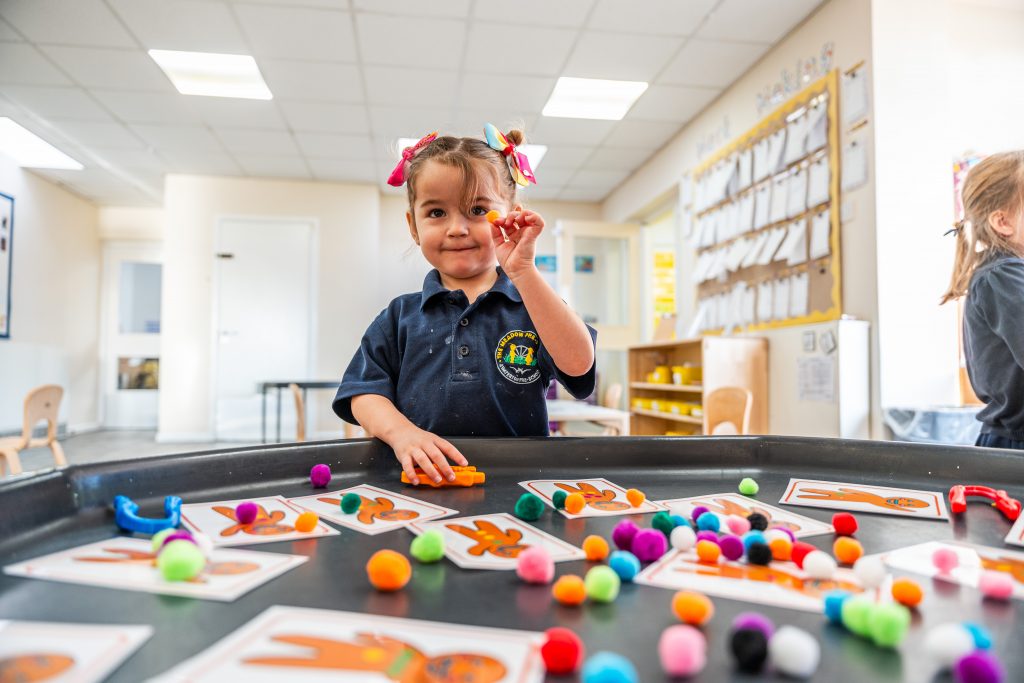
National evidence shows that many children begin school with limited vocabulary, and this challenge is particularly significant in South Yorkshire, where language and communication outcomes at the end of the Early Years Foundation Stage are below the national median in most Local Authorities.
Socio-economic disadvantage can reduce access to rich language experiences, limiting opportunities to develop the communication skills that underpin learning and wellbeing.
What Research Shows
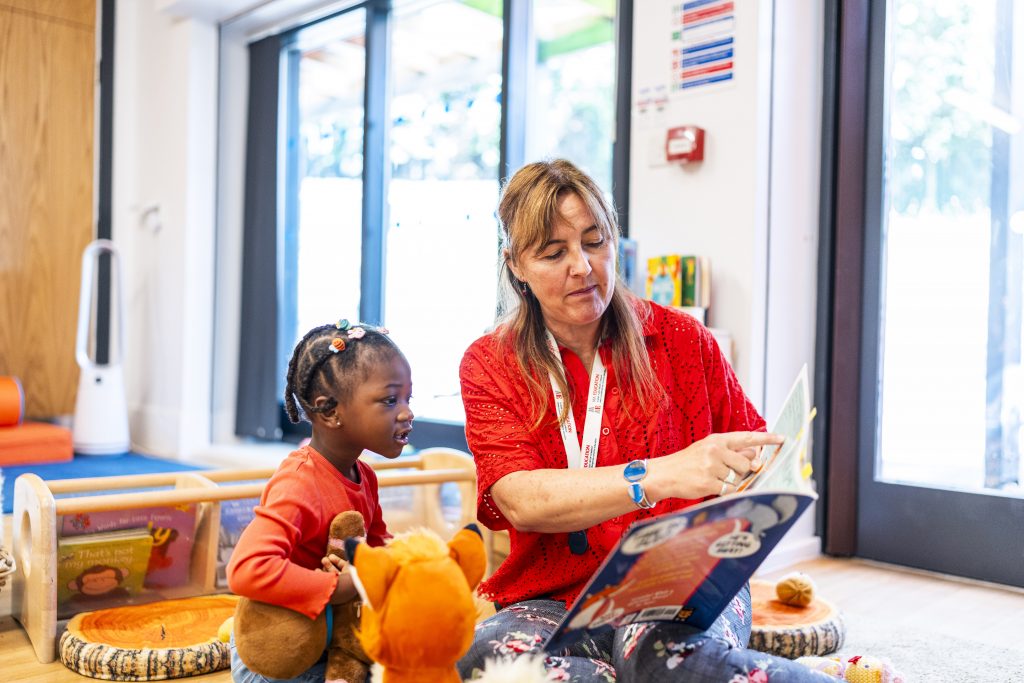
Closing the language gap requires skilled early years practitioners who can support children’s language and thinking through high-quality interaction and dialogue.
However, research indicates that practitioners often lack confidence and practical strategies to do this consistently, highlighting the need for evidence-informed professional development embedded in everyday practice.
How TWiTCH Responds
TWiTCH builds on Education Endowment Foundation research into Philosophy for Children (P4C), adapting its focus on reasoning, dialogue, and reflection for the early years.
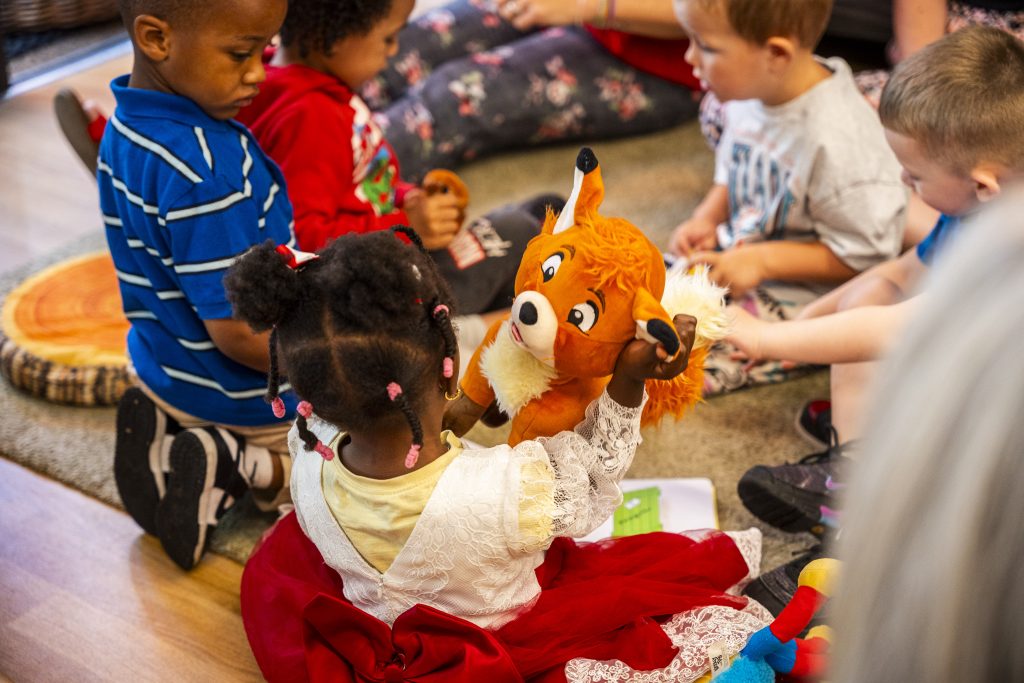
Through coaching, structured story cycles, and dialogic reading approaches, TWiTCH aims to:
- Strengthen practitioners’ confidence and skills in supporting language and thinking.
- Improve the quality of questioning, dialogue, and interaction during story time.
- Develop children’s vocabulary, narrative understanding, reasoning, and self-expression.
- Increase confidence, engagement, and participation in learning.
By embedding high-quality language interaction in everyday early years practice, TWiTCH seeks to reduce language inequalities, support better outcomes for young children through building staff confidence in using dialogic techniques as part of shared reading.