
TWiTCH is designed to support early years practitioners to use high-quality shared reading and structured language approaches to strengthen the language development of children aged 3-4. The programme develops children’s narrative skills, vocabulary, and self-expression, while also building confidence and engagement.
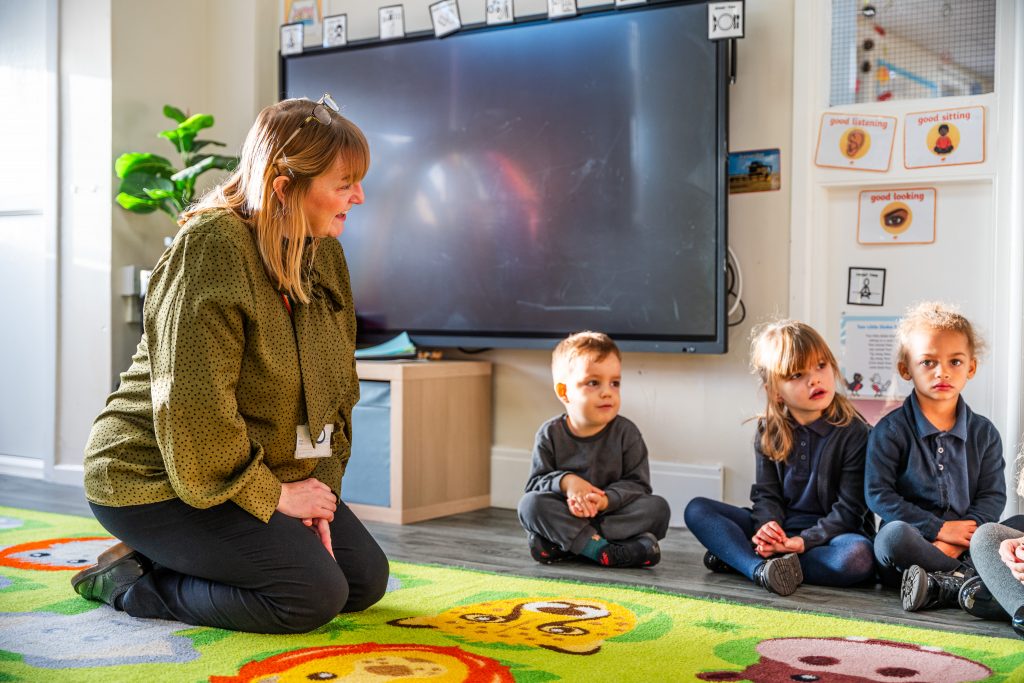
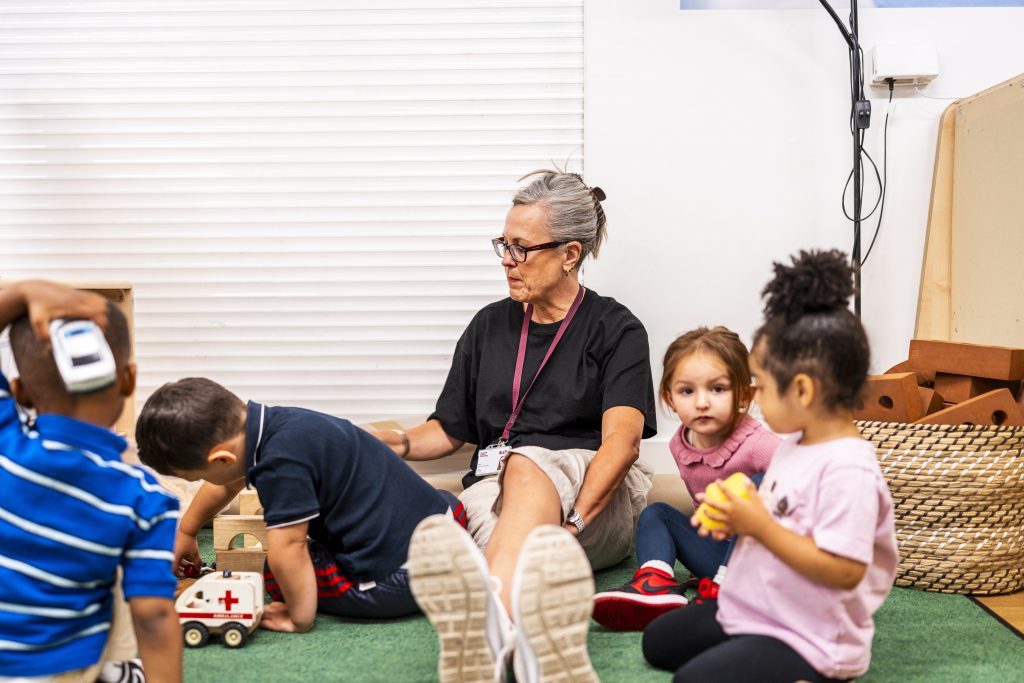
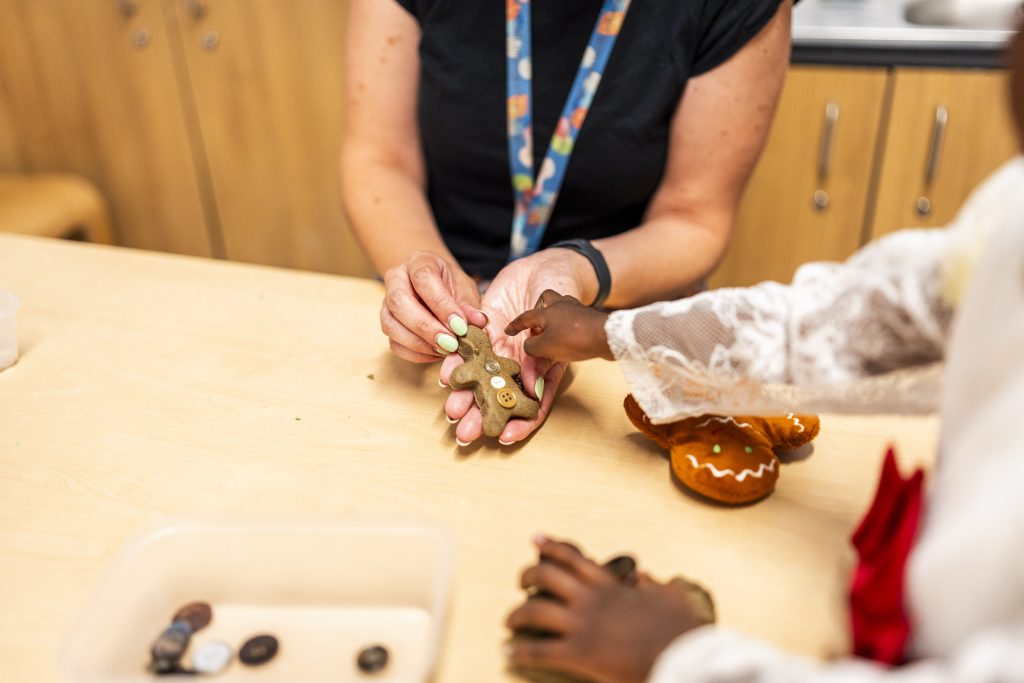
TWiTCH trains practitioners to use dialogic reading strategies alongside the daily shared reading of traditional tales. Using stories from the TWiTCH resource pack, the programme is delivered through three-week story cycles embedded within regular classroom practice. Across each cycle, children are supported through these programme aims:
- Develop children’s narrative skills, vocabulary, self-expression, and enthusiasm for stories.
- Practitioners are trained to use dialogic reading strategies alongside the daily reading.
- Using stories from the TWiTCH resource pack, the programme is delivered through three-week story cycles.
- Engage in rich, choice-based conversations that explore dilemmas in the stories.
- Explore the stories further through play and continuous provision, and revisit the stories and activities where needed.

Alongside this structured approach, TWiTCH aims to:
- Coach practitioners in the use of dialogic reading prompts and carefully structured questioning to promote meaningful, sustained conversations.
- Build children’s confidence and participation in shared storytelling and discussion.
- Develop communication, thinking, and expressive language skills that underpin future learning.
- Support wellbeing and self-belief, helping children feel capable, heard, and ready to learn.
- Contribute to important research evidence about the role of high-quality story time and shared reading in early language development.