Tomorrow’s Climate Scientists Partnership Seed Grant – funded by the Royal Society

A Royal Society Partnership Grant Seed Award project connecting South Yorkshire primary schools with university STEM professionals for authentic climate education.
The Project

Funded by the Royal Society through a Partnership Grant Seed Award, the project connected 25 South Yorkshire primary schools with university-based STEM professionals to deliver authentic climate and sustainability investigations rooted in local contexts. The project ran across two cohorts between September 2024 and March 2026.
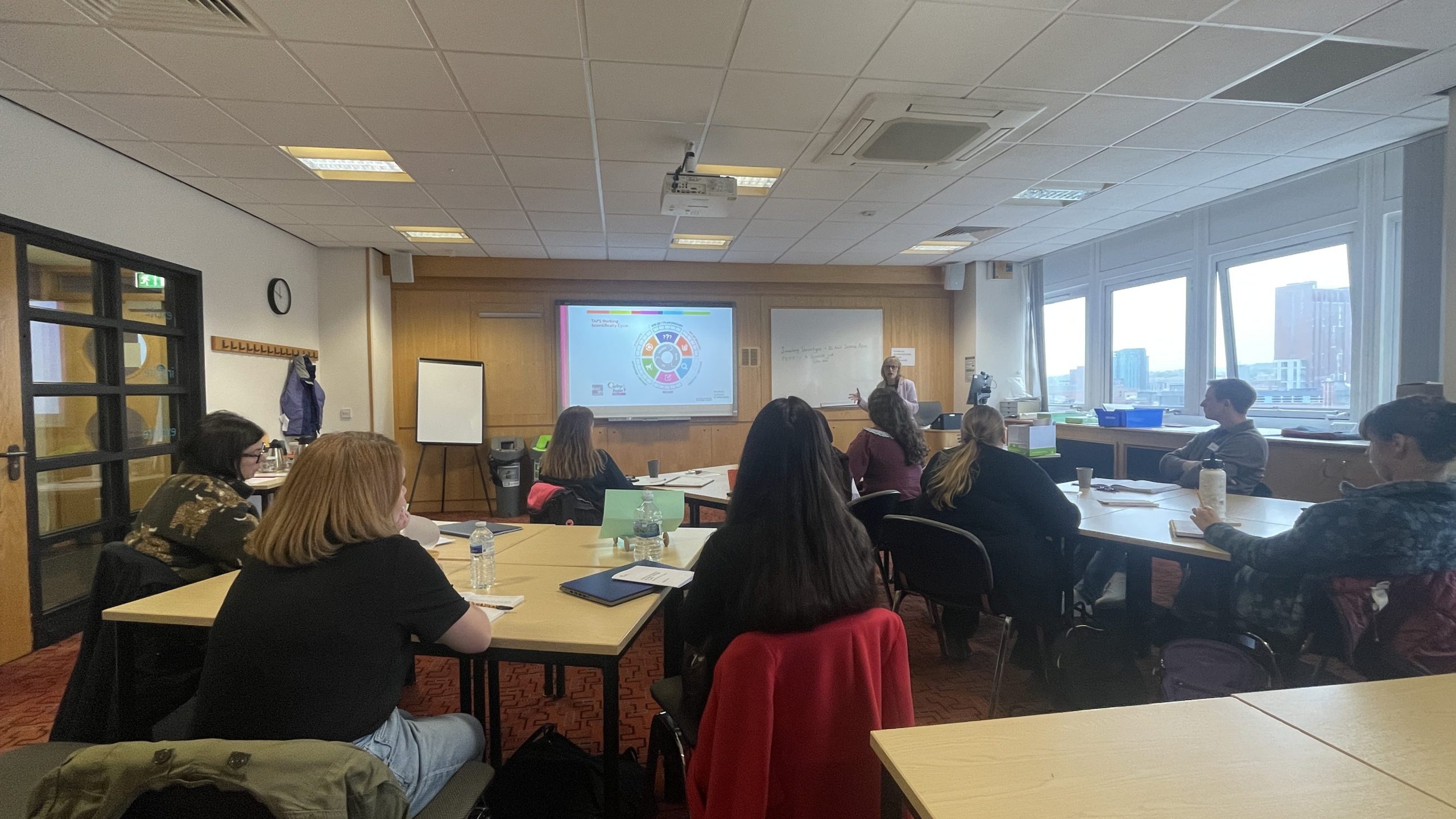
CPD delivery for teachers and STEM researchers

Why this mattered

South Yorkshire ranks in the top ten nationally for STEM research funding, yet the region scores significantly lower on cultural engagement with science. The expertise existed but wasn’t reaching children and communities in schools. We deliberately focused on schools with high proportions of children on free school meals, high SEND, or pupils from minority ethnic backgrounds. The expertise was there. It just needed connecting.

The project had four core aims:

  • To engage children in authentic scientific enquiry linked to their local environment
  • To build teachers’ confidence and subject knowledge in climate science
  • To support STEM professionals in developing their science communication and public engagement skills
  • To create lasting connections between schools and universities that could be sustained through future funding
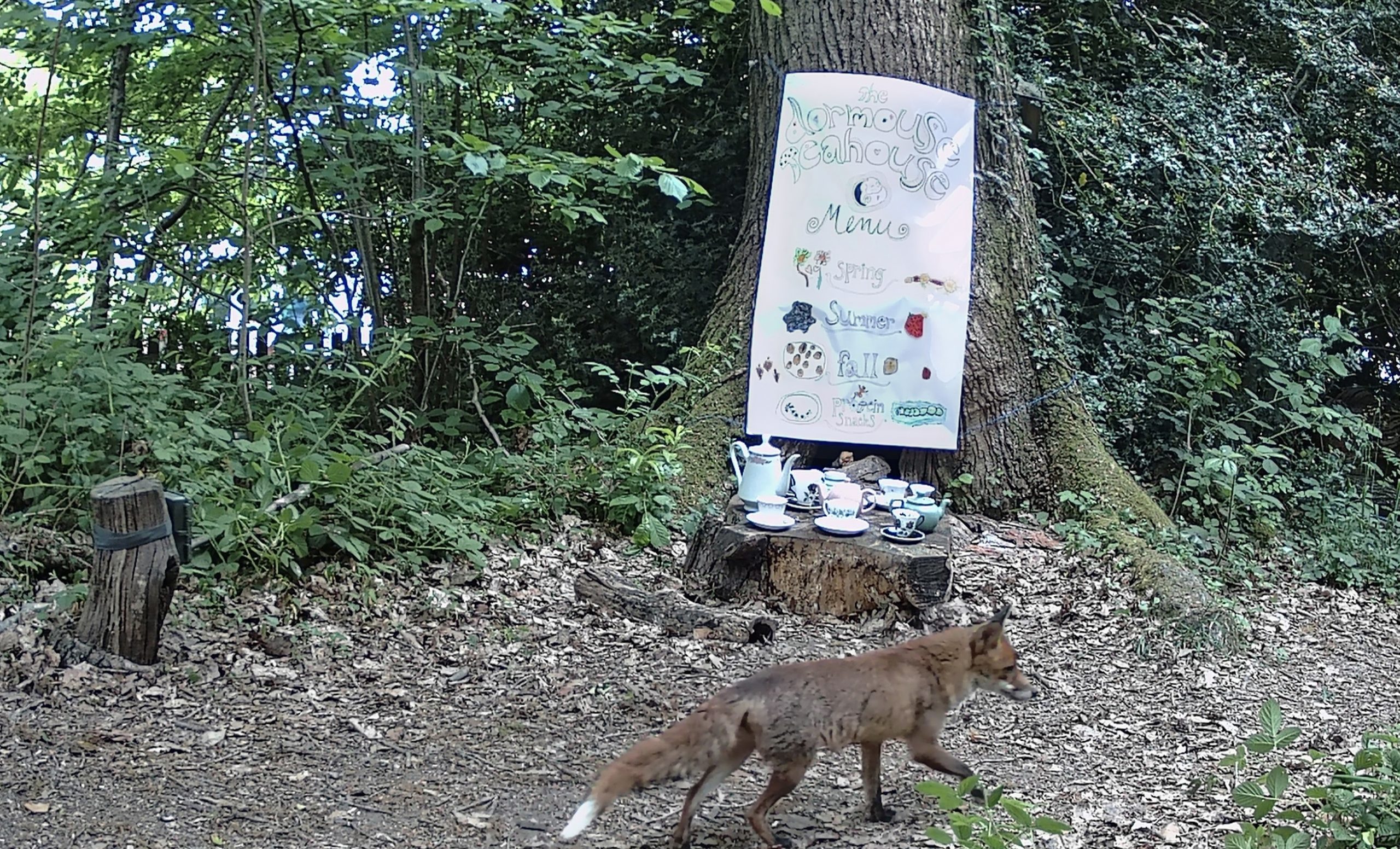
Wildlife Camera capturing ‘who came to tea’ in an infant school in the project

What we did

Investigations were drawn from a menu of themes including air quality, biodiversity, renewable energy generation, sustainable drainage systems, and energy efficiency in school buildings. Each school and STEM professional pair was encouraged to tailor their chosen topic to their community, so the science children were investigating was rooted in their own place.

The project included:

  • A full-day training event at the start, covering climate science policy, investigation equipment, and partnership building
  • Ongoing mentoring and support from Sheffield Hallam University’s research team
  • Access to investigation kits and specialist resources from partners including Solar for Schools and the National Education Nature Park
  • Celebration events at Sheffield Hallam University where schools came together to share their findings

What we found

The evidence from our research shows significant impact across all participants. We gathered data through interviews and surveys with teachers and STEM professionals, with ethics approval from Sheffield Hallam University (ER78155981).

For children

“You don’t see them, right? And then you see them in a pitfall trap and it’s like, oh my god, llok, it’s loaded. I think it’s really useful for them to actually see there is a huge diversity of life, even if you can’t immediately see it.” Researcher, invertebrate diversity project

Across every interview and most survey responses, children’s enthusiasm and curiosity stood out as one of the project’s most powerful outcomes. This engagement rarely stayed inside the classroom. Children took their learning home, told their parents, and in several cases sparked interest from siblings and other year groups.

Children’s engagement was deepest when the science felt relevant to their own lives. The air quality projects found powerful local hooks: the road outside school, the traffic at drop-off time, a nearby fire showing up on the monitor.

“We were amazed to see the badgers, foxes, squirrels and other animals. The children told their classes about the rhythms and routines they observed – the badger, fox and squirrels all had very set night-time routines and patterns.”Teacher, biodiversity and wildlife camera project

Several participants noted that investigative learning creates space for children who struggle in other contexts to find their footing and be heard.
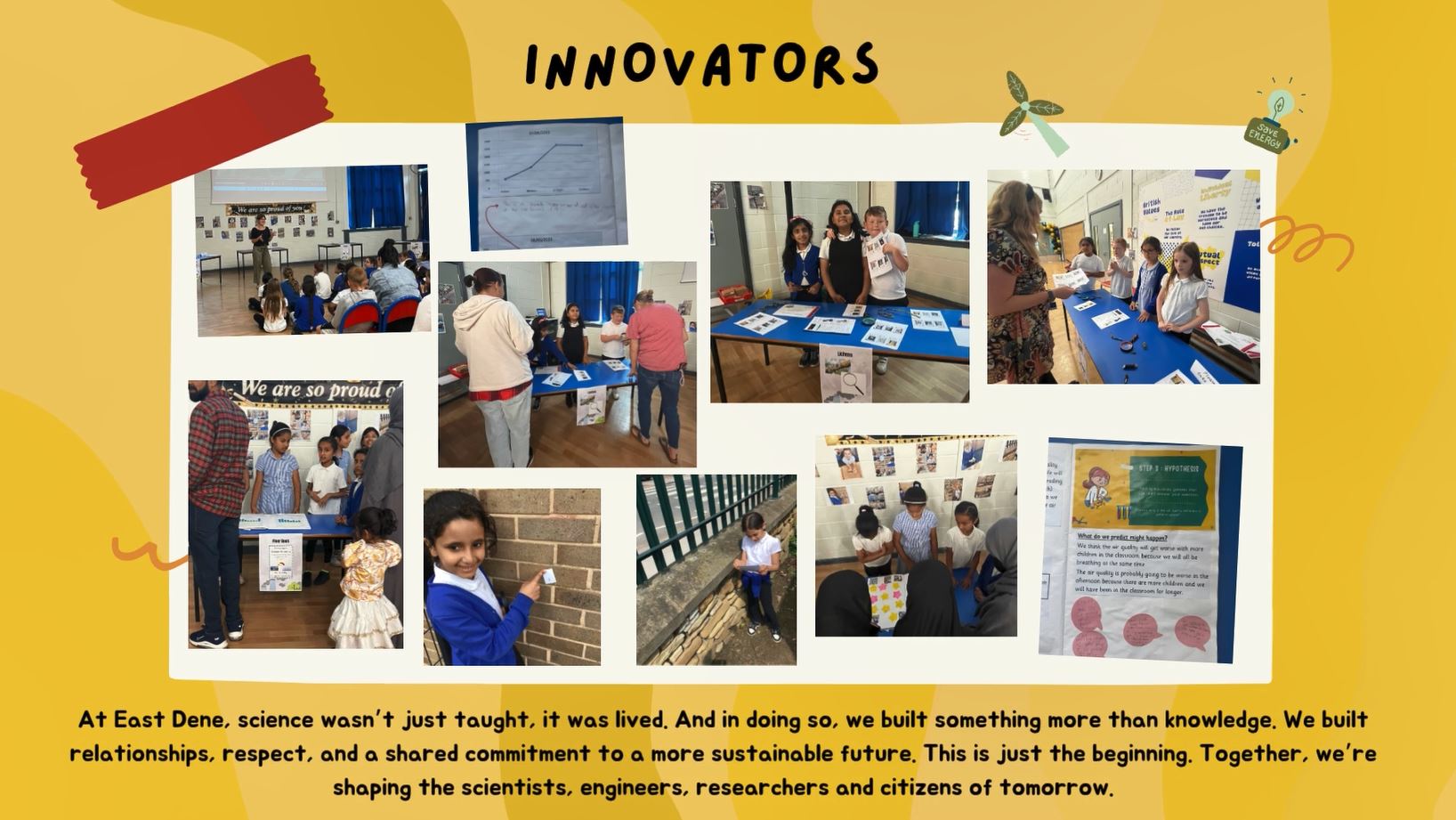
Children became innovators through unique research in their local area

For teachers

“It built my confidence a lot in the knowledge of the topic and being able to deliver that to children. On the strength of this project, I went to a climate conference at Sheffield Hallam, and I’ve unofficially taken on the role of eco ambassador at school.” Teacher, air quality project

All three teachers interviewed described significant growth in their own confidence and motivation as a result of the project. For some this was primarily about subject knowledge; for others it was about finding new ways to structure learning and involve children in genuine enquiry.

The confidence gain was also about recognising that the project could be sustained independently. Several teachers described feeling equipped to run investigations again without the STEM professional, representing a shift in capacity rather than dependency.

“We are able to do it now without our partner, much as we’d love to have her in again. My colleague and I think, actually, we could do that again. We’ve got it all recorded, so we can replicate it quite well.” Teacher, air quality project
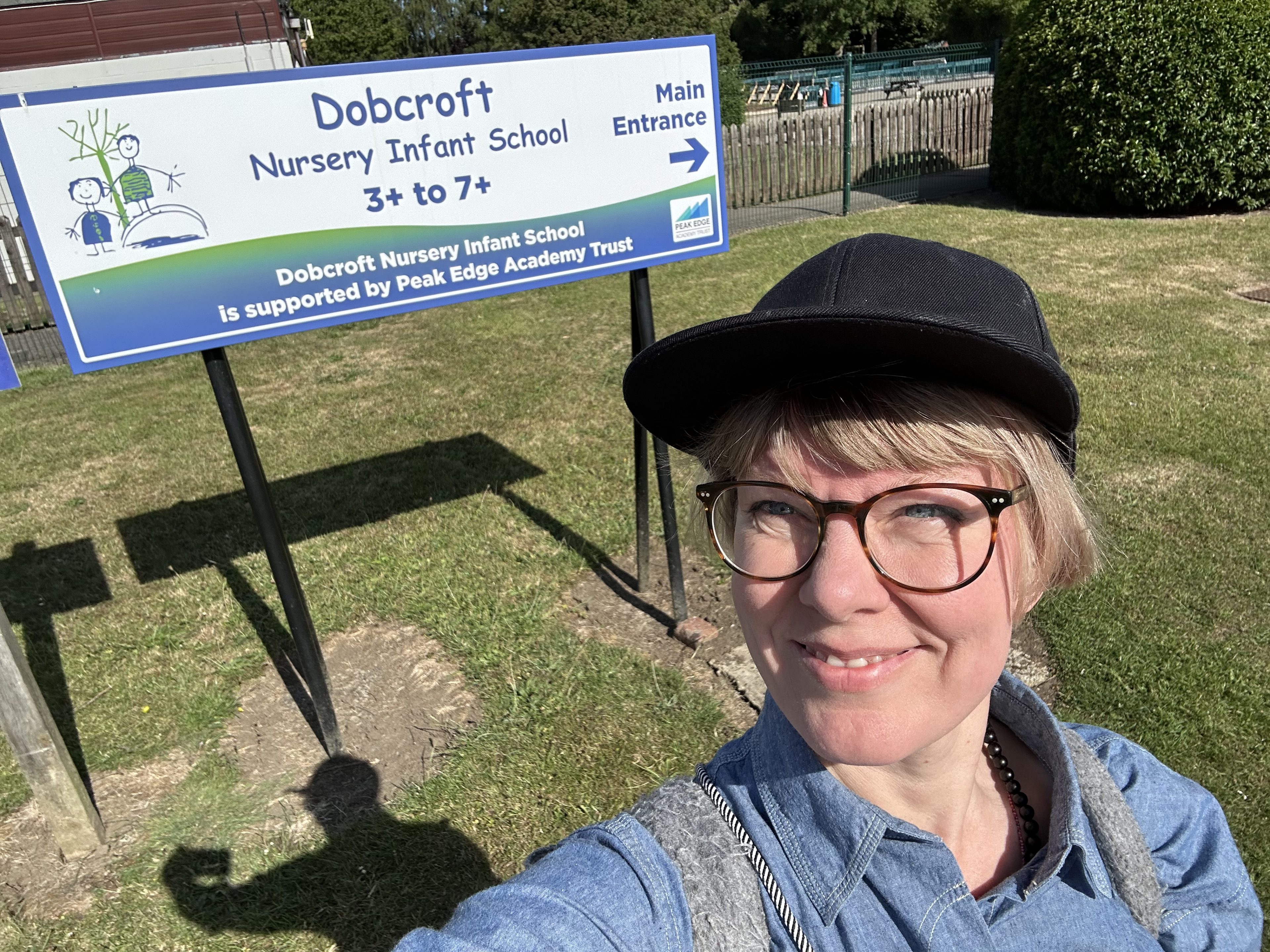
Professor Kaisu Koski, visiting her partner school

For STEM professionals

“If I ask a question to 80 undergrads, not one person answers. If you ask a Year 4 class, the whole room puts their hand up. The kids are just interested. I find that, honestly, wonderful.” Researcher, water and flooding project

For STEM professionals, the project offered something different from their usual working environment: an audience that was unreservedly curious, and a challenge requiring them to think carefully about how they explain what they know.

For those earlier in their careers, including PhD students and postdoctoral researchers, the project built confidence in public engagement and science communication. More established researchers reflected on how the experience had challenged their assumptions about what primary-age children already know.

“I hadn’t appreciated how broad the knowledge base of children of that age is. Some of them I could have taken into my undergraduate classes and they’d have been fine. Others were all keen, but no. I have nothing but admiration for teachers who do that every day.” Researcher, water and flooding project
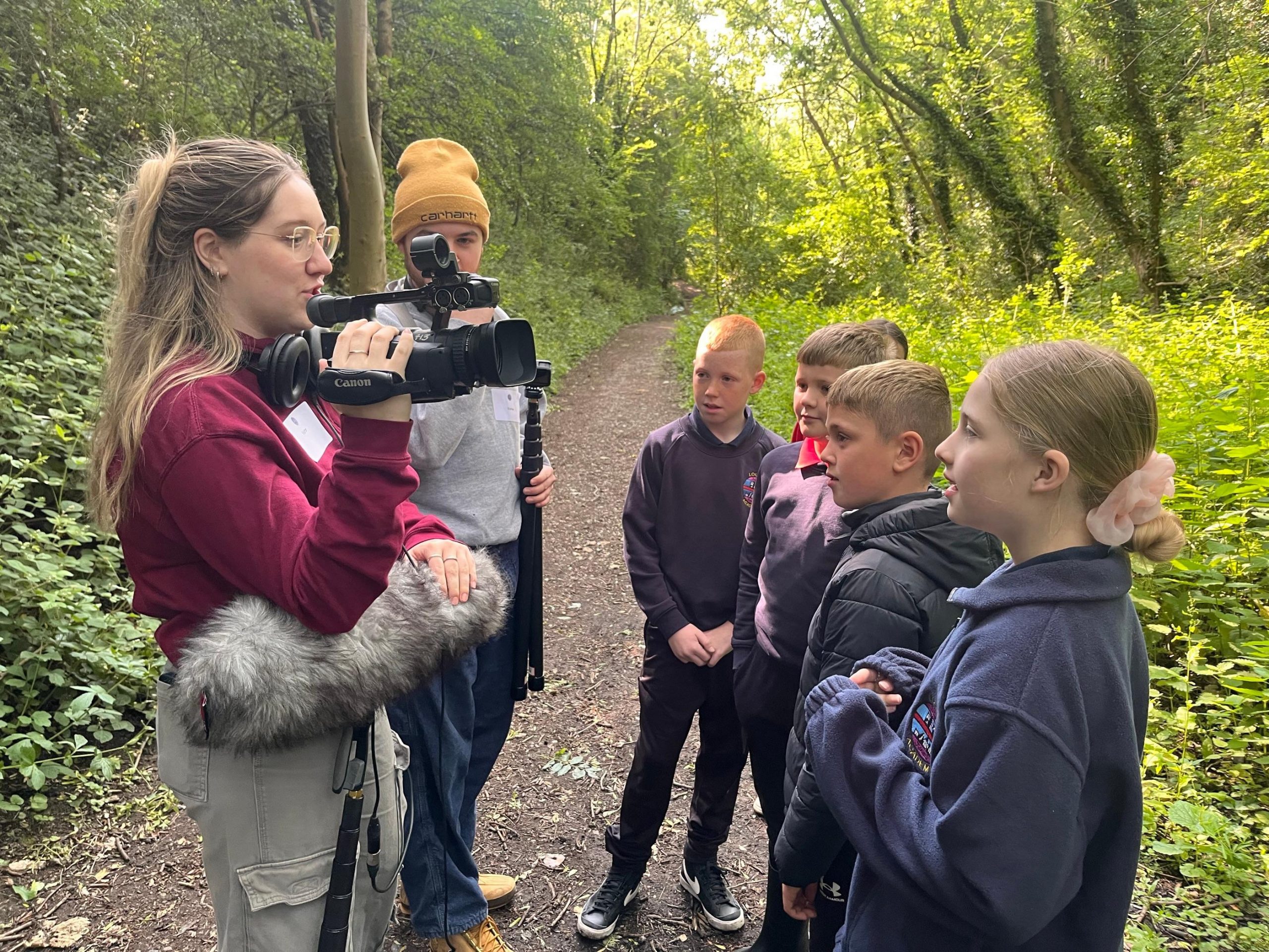
University students and school pupils undertaking data collection into wildlife in their local area

The quality of partnerships

The partnerships between teachers and STEM professionals were at the heart of the project. The best partnerships were characterised by mutual respect, flexibility, and a sense that both people brought something distinct and valuable.

“She recognised that I was an expert in research design and climate science. I recognised that she was a specialist in understanding Year 4. Both of us drew out what that could look like together.” Researcher, air quality project

What we learned for next time

Not every partnership worked as smoothly from the start. One recurring issue was uncertainty about roles in the classroom. Setting clearer expectations upfront about what STEM professionals can offer would help. Beyond partnerships, we found that:

  • School capacity is genuinely tight. Every school that joined the project completed something. No school disengaged entirely, which in a sector under these pressures is a real achievement.
  • University and school calendars don’t align, creating practical difficulties particularly during exam seasons and term-end periods.
  • Fixed-term contracts in higher education create barriers to continuity for researchers who want to take next steps.
  • DBS checks need early planning. The time taken to process checks caused delays for some STEM professionals.
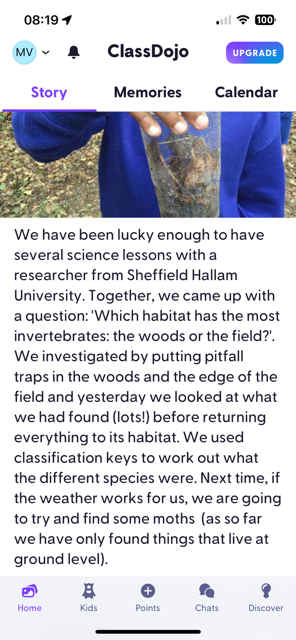
Parent communications from one school

What came next (as of June 2026)

One of the most positive things about the evidence is how much has already happened beyond the formal boundaries of the project:

The Ripple Effect

  • Three schools have already applied for full Royal Society Partnership Grants
  • One researcher has had a Partnership Grant approved and is planning a longitudinal invertebrate diversity study with wildflower turf installation
  • Teachers have embedded new approaches across the curriculum and plan to scale to other year groups
  • One researcher shared the lichen air quality monitoring approach with another school in Doncaster
  • Children have taken scientific vocabulary and methods back to parents in ways that were often unprompted and surprising
  • One school has repeated the project with another year group and will be applying for funding to further develop their activities.

“We started small and then it was like, oh, but we could do this, and this, and this. It felt like a taster of what we could do. I’d love to give that opportunity to more children, not just two classes.” Teacher, air quality project
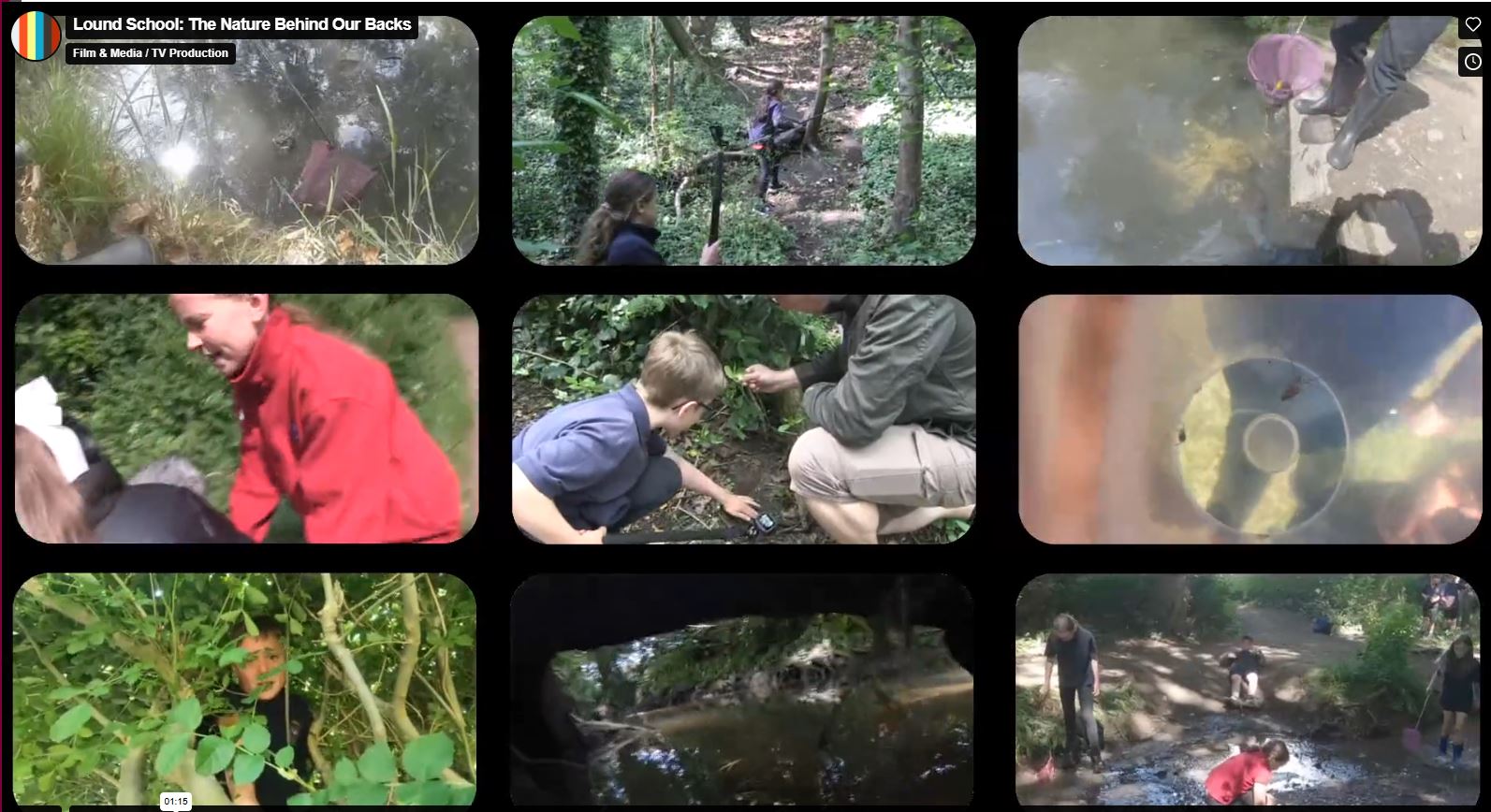
One school produced a film documenting all their project activity. This was showcased at Sheffield Hallam University to parents and carers.

The Team

Project Lead: Lee Jowett, Research Fellow in Climate Change and Sustainability Education, Sheffield Hallam University

Team: Delivery: Joelle Halliday, Senior Research Fellow, Andy Bullough, Senior Research Fellow & Stuart Bevins, Principal Research Fellow. Data collection: Panagiota Blouchou, Research Fellow, Sheffield Hallam University

Partners: Royal Society (funders), Sheffield Hallam University, University of Sheffield, Solar for Schools, National Education Nature Park, Energy Heroes and Climate Ambassadors.

Resources and further information

All resources and materials from the project are available on our blog pages, including investigation guidance, equipment specifications, and reflective materials.

A full research report on the project outcomes is available on the research publications page and available to read below:

We have also developed seven short case studies to exemplify the type of work which has taken place. They are available on the links below:
Adapt-Ed: Climate Adaptation through Education

About the project

Adapt-Ed is a collaborative project led by Sheffield Hallam University, working with The Green Estate, Sheffield City Council and Let’s Go Zero to support primary schools in responding to climate change.

Focusing on flooding, overheating and water scarcity, the project helps schools in Sheffield’s most climate-vulnerable communities to understand local risks and take practical action.

Through a combination of teacher development, curriculum innovation and outdoor learning, Adapt-Ed demonstrates how education can play a central role in building climate resilience—both within schools and across communities.

Project Team

Why Adapt-Ed matters

Climate change is already affecting schools in the UK. Rising temperatures, increased flood risk and water stress are disrupting learning environments and disproportionately impacting disadvantaged communities.

Despite this, much of the focus in education has been on reducing emissions, rather than preparing for the impacts of climate change.

Adapt-Ed addresses this gap by:

  • Bringing climate adaptation into everyday teaching
  • Connecting learning to local, real-world risks
  • Supporting schools to become community hubs for resilience

Sheffield provides an ideal context—combining high flood risk, urban heat island effects and socio-economic inequalities—making the learning both urgent and highly relevant.

What we’re doing

Adapt-Ed works with five primary schools, up to 10 teachers and around 300 pupils.

Key activities include:

  • Teacher CPD
    Bespoke training to help teachers embed climate adaptation into the curriculum using research-informed approaches.
  • Curriculum development
    Co-designed lessons focused on:
    • Flood risk and resilience
    • Drought and water scarcity
    • Overheating and urban heat
    • Food systems and nature-based solutions
  • Outdoor and experiential learning
    Hands-on sessions delivered with The Green Estate, linking classroom learning to real environments.
  • School-based action
    Supporting schools to integrate adaptation into their climate action plans and implement practical changes on site.
  • Community engagement
    Showcases and events to involve families and amplify local voices in climate decision-making.

Our approach

Adapt-Ed combines research, practice and community engagement through a mixed-methods, participatory approach.

We:

  • Co-design learning with teachers and partners
  • Use place-based, creative and experiential methods
  • Apply Sheffield Hallam’s Research-Informed Climate Education (RICE) framework
  • Continuously adapt delivery based on feedback and evidence

This ensures the project is both rigorous and practical, with immediate benefits for schools and transferable learning for others.

What difference will it make?

For pupils

  • Increased understanding of climate risks
  • Stronger connection to nature
  • Greater confidence and agency to act

For teachers

  • Improved confidence to teach climate adaptation
  • Access to high-quality, adaptable resources

For schools

  • Integration of adaptation into climate action planning
  • Practical steps towards more resilient buildings and grounds

For communities

  • Greater awareness and engagement with local climate risks
  • Opportunities to shape local policy and action

Beyond Sheffield

The project will produce case studies, resources and policy insights, shared nationally through networks such as Let’s Go Zero, helping scale impact across the UK.

Partners

Adapt-Ed is delivered through a strong partnership:

  • Sheffield Hallam University – Project lead, research and evaluation
  • The Green Estate – Delivery of outdoor learning and community engagement
  • Sheffield City Council – Policy alignment through Built for Change
  • Let’s Go Zero – National dissemination and scaling

Timeline

  • March 2026 – Project launch
  • Spring–Summer 2026 – CPD, curriculum delivery and school activities
  • Summer 2026 – School showcases
  • Autumn 2026 – Final evaluation and dissemination

Get involved

We’re keen to connect with:

  • Schools interested in climate adaptation education
  • Local and national partners
  • Researchers and practitioners
  • Policy and sector organisations

Get in touch to collaborate, learn more or explore how Adapt-Ed can support your work.

Contact

Lee Jowett
Sheffield Hallam University
Climate Change and Sustainability Research Fellow

Expression of Interest: Tomorrow’s Climate Scientists (Primary CPD + STEM Professional Support)

Sheffield Hallam University is recruiting 25 South Yorkshire primary schools to take part in an exciting programme supporting primary pupils (Y1-Y6) to run hands-on STEM investigations linked to climate change and biodiversity in their local area.

The programme is designed to strengthen working scientifically, build confidence in teaching climate-related science, and connect schools with STEM professionals (including postgraduate researchers and academics) who can bring real-world research and inspiration into the classroom.

We are in the process of applying for funding (deadline 27 February 2026) and will know the outcome before the end of the summer term. The programme will start in September 2026 and run for 3 academic years.

What schools will do

Each year, over a period of one school term (approx. 3–6 months), teachers and pupils (minimum of 30 students) will work with a matched STEM professional to plan and carry out a small-scale investigation. This might include activities such as exploring biodiversity in the school grounds, investigating local environmental change, or collecting and interpreting simple data linked to sustainability.

Each school will typically take part in:

  • 3 x in-school sessions (around 2 hours each)
    (launch / investigation support / celebration & sharing)
  • 2 online check-in sessions with your STEM professional between visits
  • Flexible planning so the investigation can be adapted to your school context and curriculum priorities

What schools will receive

Participating schools will receive:

  • Cover costs for teaching staff to attend CPD
  • Included CPD for teachers (regular online and face to face sessions + a joint workshop with STEM professionals)
  • A matched STEM professional partner to support the investigation and inspire pupils
  • Curated investigation resources and equipment (adaptable to different school contexts)
  • Ongoing support from the SHU project team throughout delivery
  • An end-of-project celebration event to share pupil learning with your school community
  • Guidance and support to apply for a £3000 Royal Society Partnership Grant, helping schools sustain and extend the work beyond the programme

Who should apply

This opportunity is ideal for:

  • Primary Science Leads
  • Senior Leaders (SLT) supporting curriculum enrichment and STEM development
  • Schools keen to build pupils’ confidence and curiosity through real investigations

📩 Register your interest now (Science Lead or SLT sign-off required):  Expression of Interest: Tomorrow’s Climate Scientists – Fill in form

📅 Places are limited and schools may be prioritised to ensure support reaches those with the greatest need.

Climate Leaders’ Conference – Sheffield Hallam University, March 2025

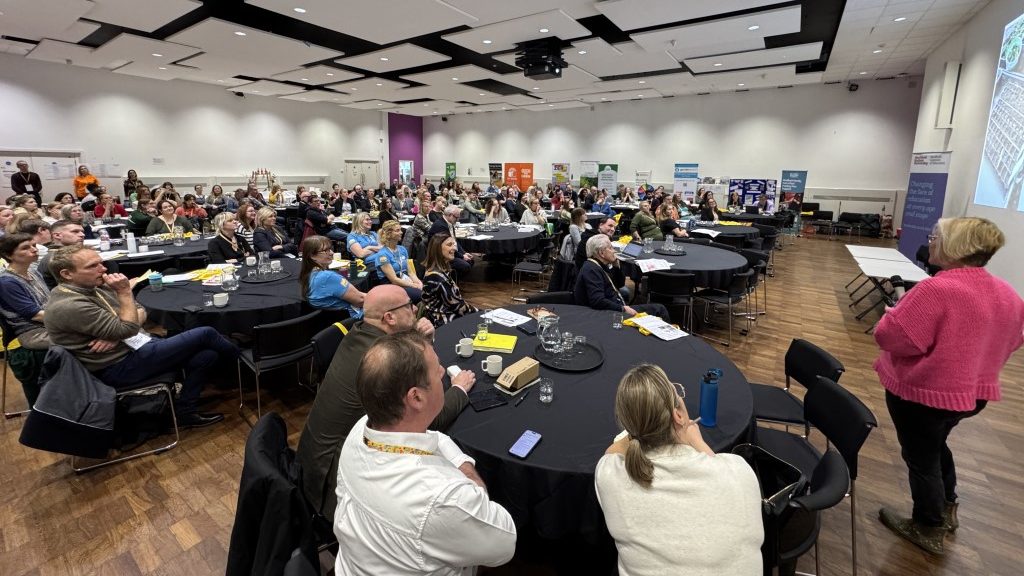
The Climate Leaders’ Conference was a free, one-day professional learning event held on Thursday 6 March 2025 at Sheffield Hallam University’s City Campus. It was organised by the Institute of Education as part of its work with the Climate Action in South Yorkshire Schools and Education Settings network. The conference was fully funded by Sheffield Hallam University and aimed to support leaders across education settings to take meaningful action on climate change, sustainability and biodiversity.

The programme included keynote presentations from senior school and trust leaders, workshops from a range of national and regional partners (including Eco-Schools England, National Education Nature Park, Climate Ambassadors and academic researchers), and practical sessions on developing Climate Action Plans.

Anticipated Outcomes

Before the event, we framed several key intended outcomes for participants. By the end of the day, attendees were expected to have:

Explored opportunities for developing climate action plans and leadership structures within their settings.

Begun creating or refining a Climate Action Plan, including techniques for calculating carbon footprints.

Been signposted to organisations and programmes that can support ongoing climate and sustainability work.

Identified potential barriers to climate action and strategies to overcome them.

Recognised sources of funding and external support.

These goals aligned with national ambitions in the 2021 Department for Education Climate Change and Sustainability Strategy, which calls for every education setting to nominate a sustainability lead and have a climate action plan in place by the end of 2025.

Who Attended

The conference brought together over 150 education professionals from across the UK, including leaders from:

  • Early years settings, primary and secondary schools
  • Colleges and further education
  • Universities
  • Local authorities
  • Charities and intermediary organisations supporting education settings

Participants included trustees, governors, CEOs, heads, deputy heads, curriculum leaders, business managers, and eco-leads – with a strong emphasis on pairing eco-leads with senior leaders to maximise impact.

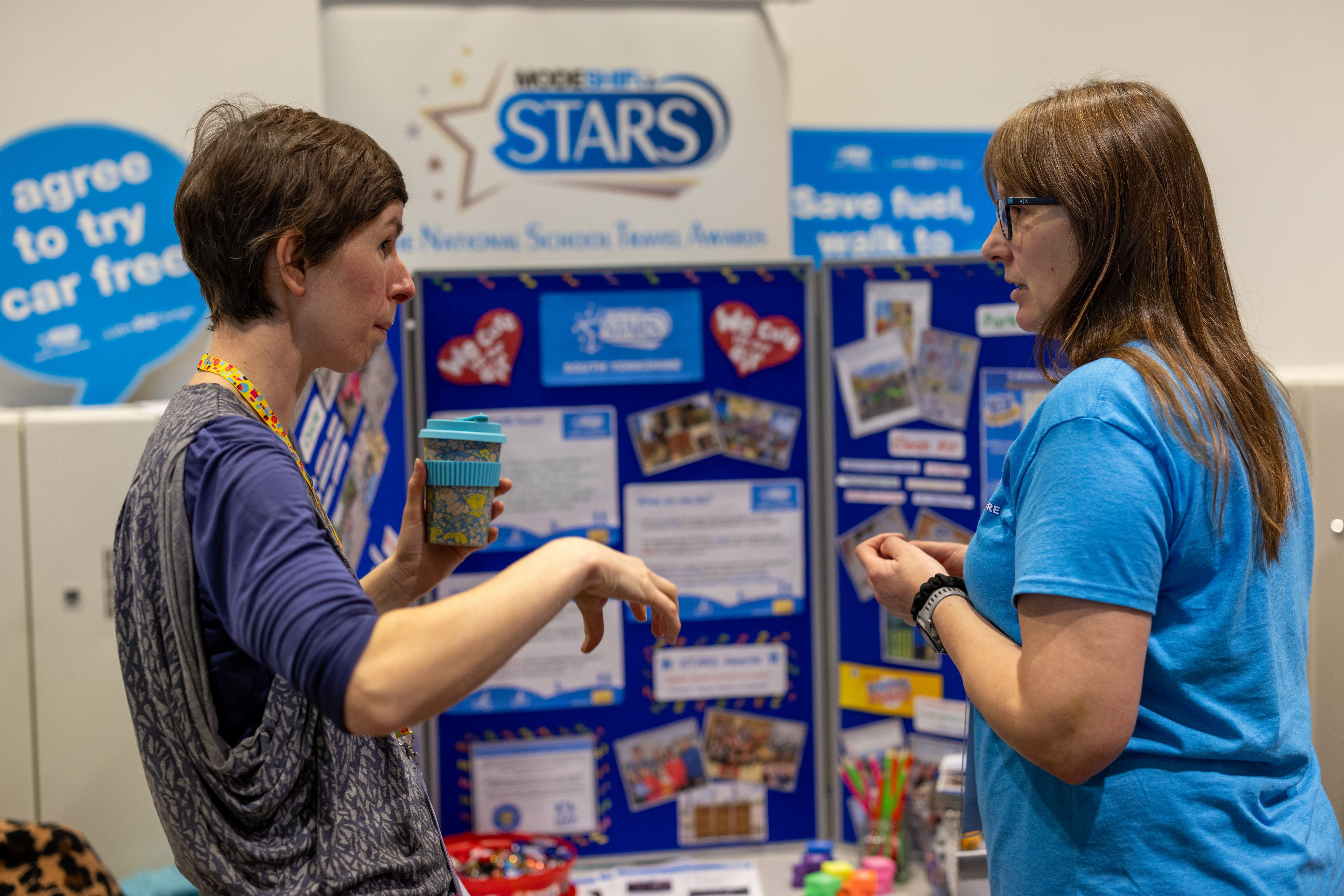
The day also featured contributions from a wide range of sector partners through workshop sessions and stalls, such as Carbon Literacy Project, Global Action Plan, Energy Sparks, Solar for Schools, Eco-Schools Carbon Calculator and more, enabling broad access to tools, resources and collaborative networks.

Evaluation

A longitudinal evaluation report of the conference was compiled, tracking the sustained impact of the event at three and six months after attendance. Key findings highlighted that:

  • 100% of respondents at three-months reported taking at least one action as a result of attending the conference, with many reporting multiple actions.
  • By six-months, many participants had maintained, refined or embedded their actions into ongoing practice, moving from individual efforts toward wider institutional influence.
  • Participants reported increased confidence in leading climate education and embedding sustainability within curricula and strategic planning.
  • Persistent barriers noted included time constraints, workload pressures, resource limitations, and the need for institutional support to sustain long-term change.

The evaluation concluded that the conference effectively supported capacity-building and provided a foundation for sustained climate and sustainability action, particularly where organisational leadership and structures supported follow-through and embedding of practices.

You can read about the evaluation on the research publications page.

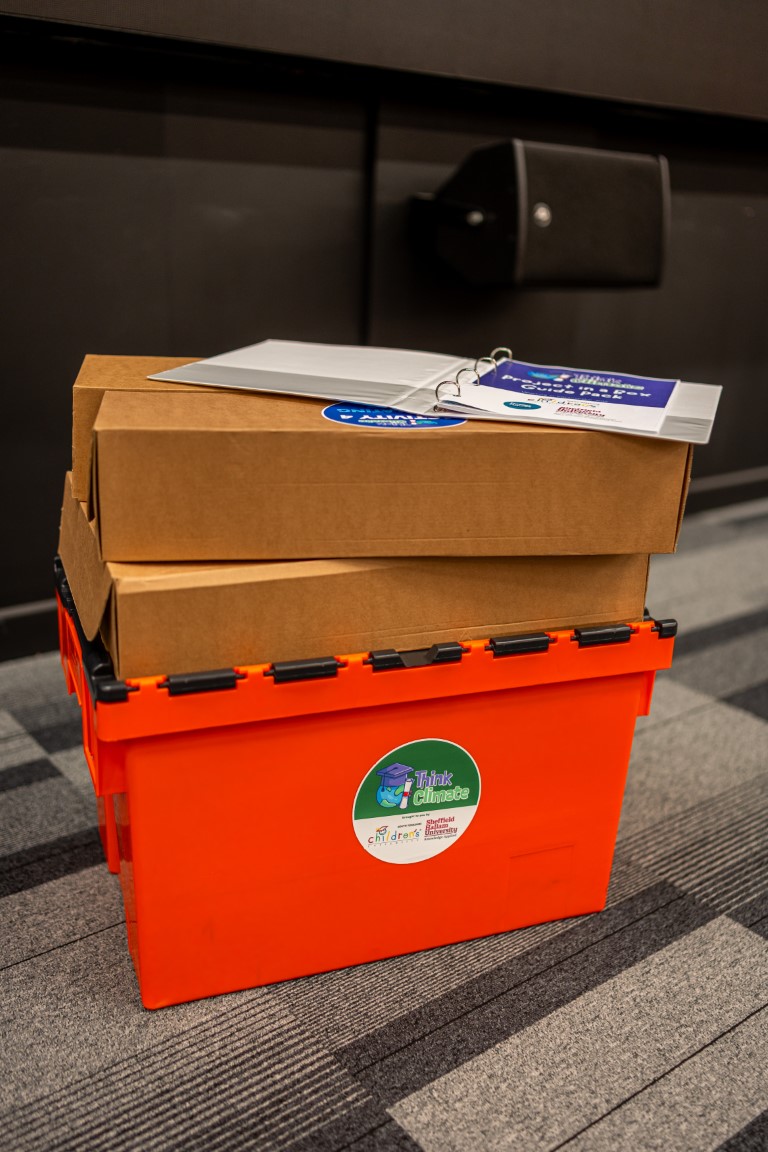
Project in a Box Think Climate! Celebration at Sheffield Hallam University – June 2025

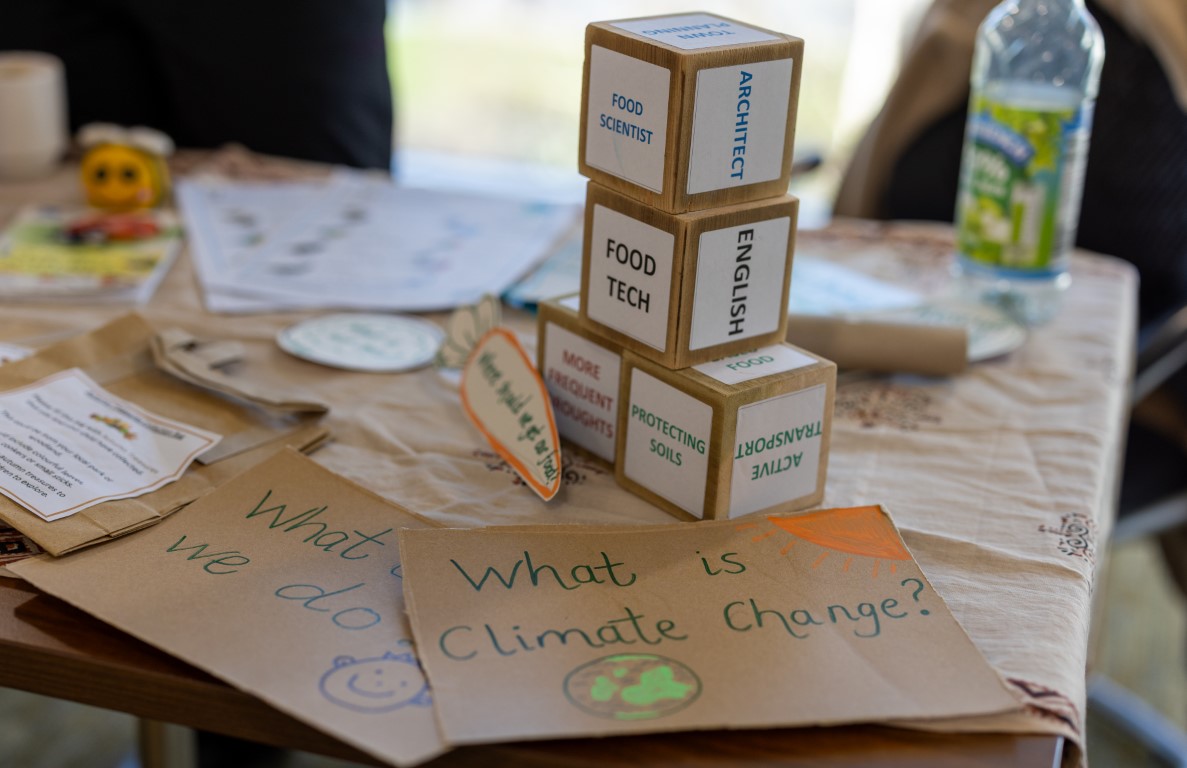
For the 2024–25 academic year, Sheffield Hallam University’s Institute of Education collaborated with South Yorkshire Children’s University to launch Think Climate!, a climate-focused “Project in a Box” initiative offering eight themed, research-informed after-school sessions designed to boost pupils’ understanding of climate change, biodiversity, and local solution-focused actions, while also helping to reduce eco-anxiety.

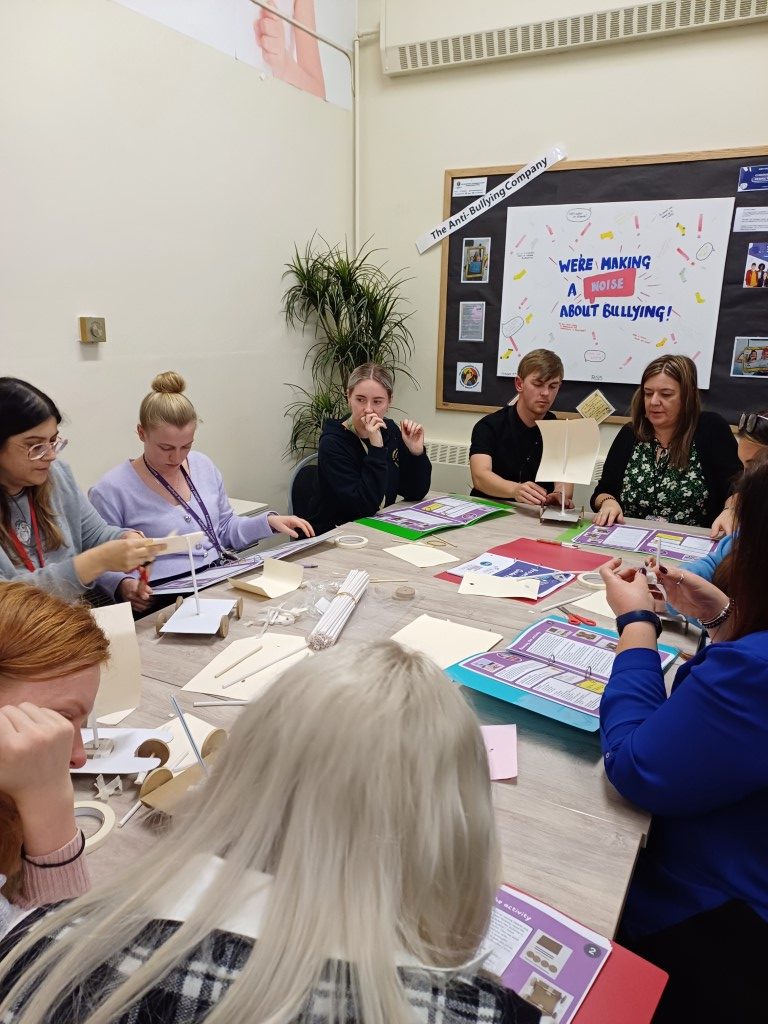
Carbon Literacy Training for school staff, governors and trustees

Wednesday 21 January 2026 or Thursday 12 March 2026

Who is the course for?

All school staff, including site managers, and governors with an interest in becoming carbon literate, especially those involved in teaching and leading climate change and sustainability.

Why?

  • Gain a better understanding of how climate change will affect you and those around you
  • Become an accredited Carbon Literate individual who can then deliver the schools
    course yourself
  • Acquire knowledge and skills to develop your own responses to lowering your carbon footprint, and the carbon footprint of others

Your commitments

  • Undertake approximately 1.5hr of pre-work
  • Attend the day of learning
  • Create at least one significant action, as an individual, to reduce your own personal
    carbon footprint
  • Create at least one significant action involving other people to reduce the collective footprint of your education setting
  • Complete an open book assessment on the day

The cost to attend is £75 per person. This includes lunch, refreshments and external certification. Invoices will be sent to settings after the event.

The course uses the brand new Carbon Literacy Toolkit for Schools and is delivered by Lee Jowett, Climate Change and Sustainability Research Fellow at Sheffield Hallam University. He has over 20 years experience working in education, 10 years as a secondary teacher in Sheffield. He has also been a governor and MAT trustee for over 10 years. He has delivered over 30 Carbon Literacy courses.

Book your place today via Eventbrite.

EcoTeachMeet at Abbey School, Rotherham

In October 2025, Abbey School in Rotherham hosted an inspiring EcoTeachMeet, bringing together teachers, support staff and partners to explore how sustainability can be woven through everyday school life. The event offered a brilliant opportunity to see what Abbey has been doing to champion environmental learning, as well as to share ideas that other schools can adapt to their own contexts.

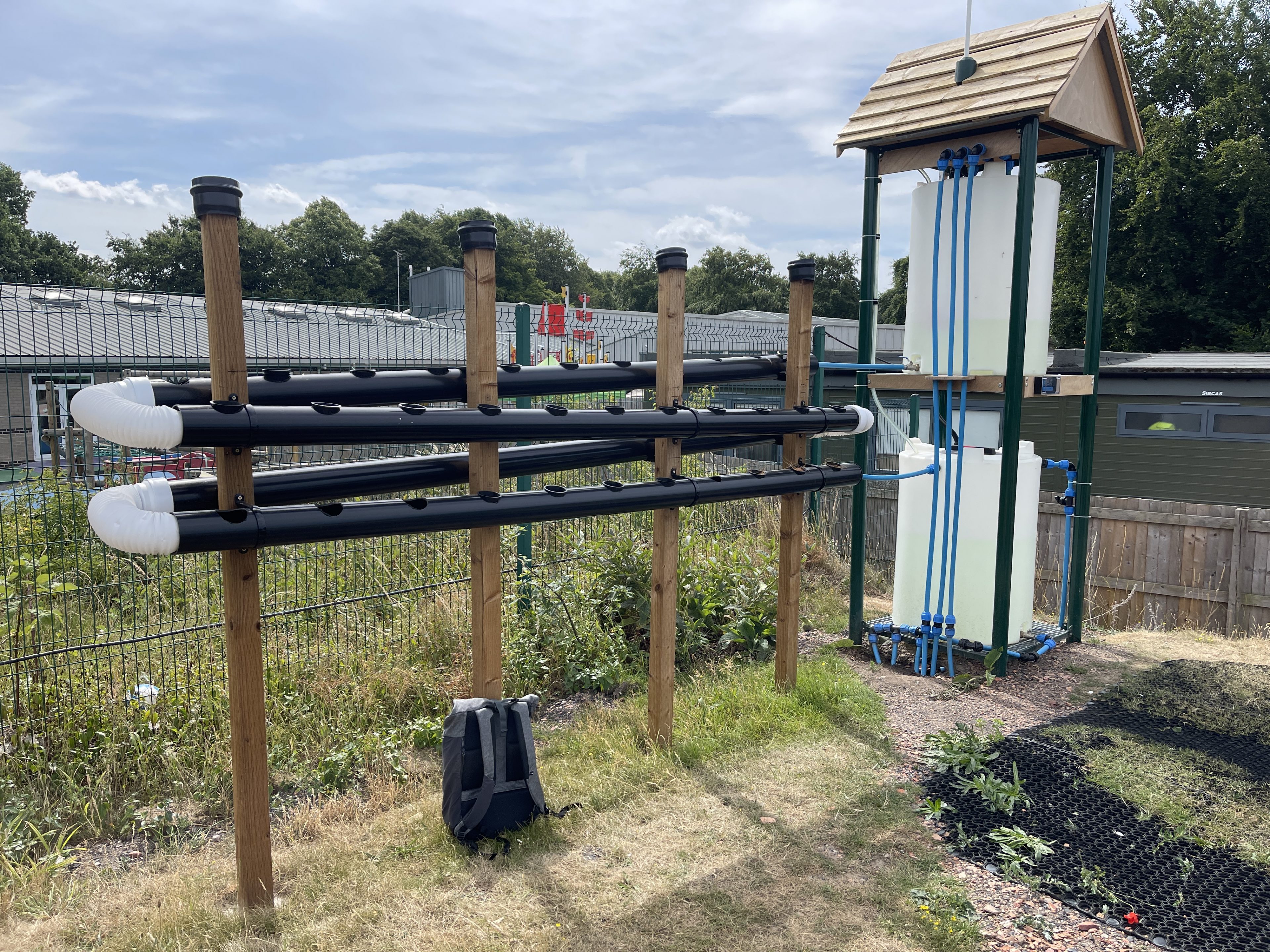
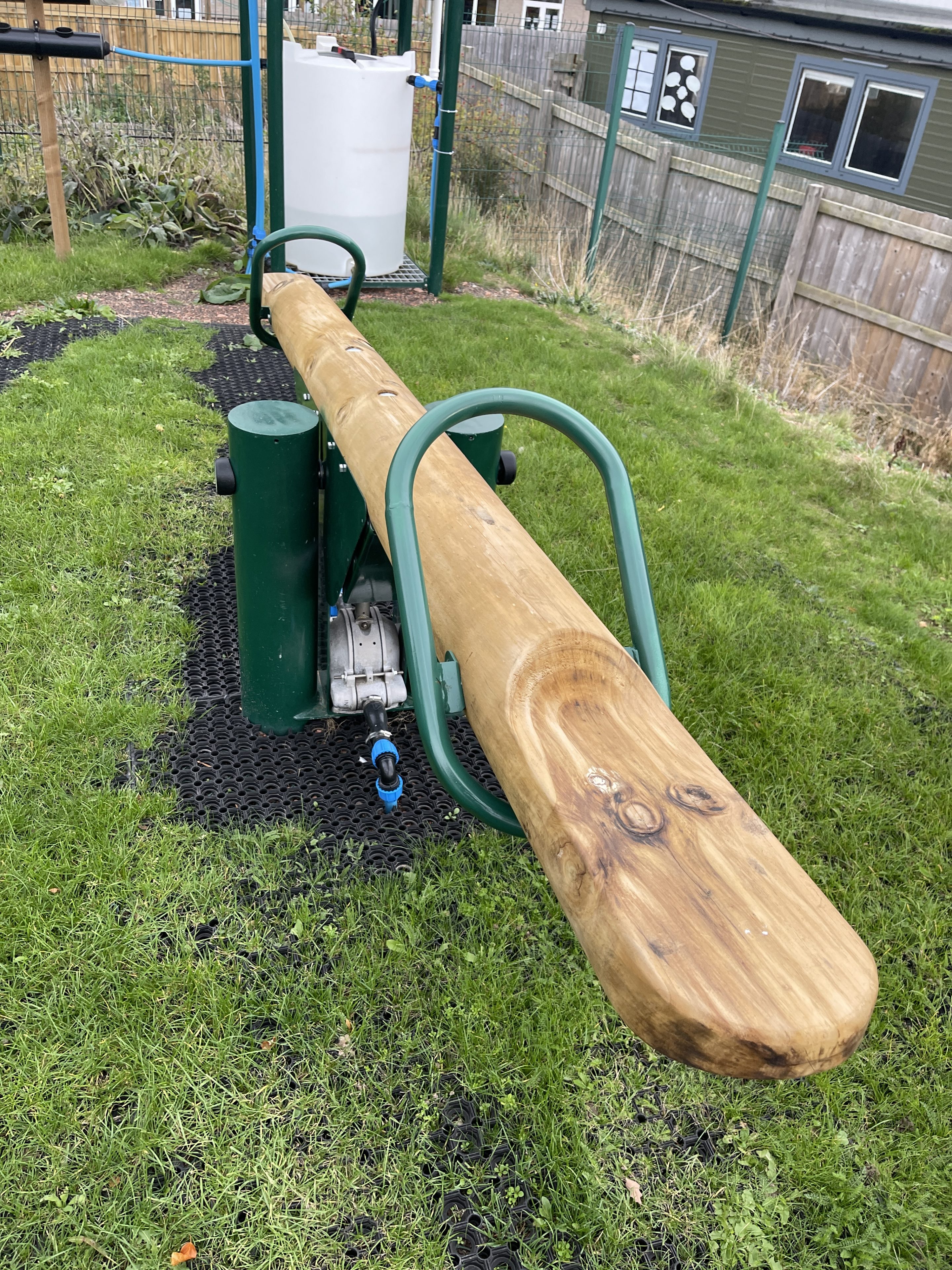
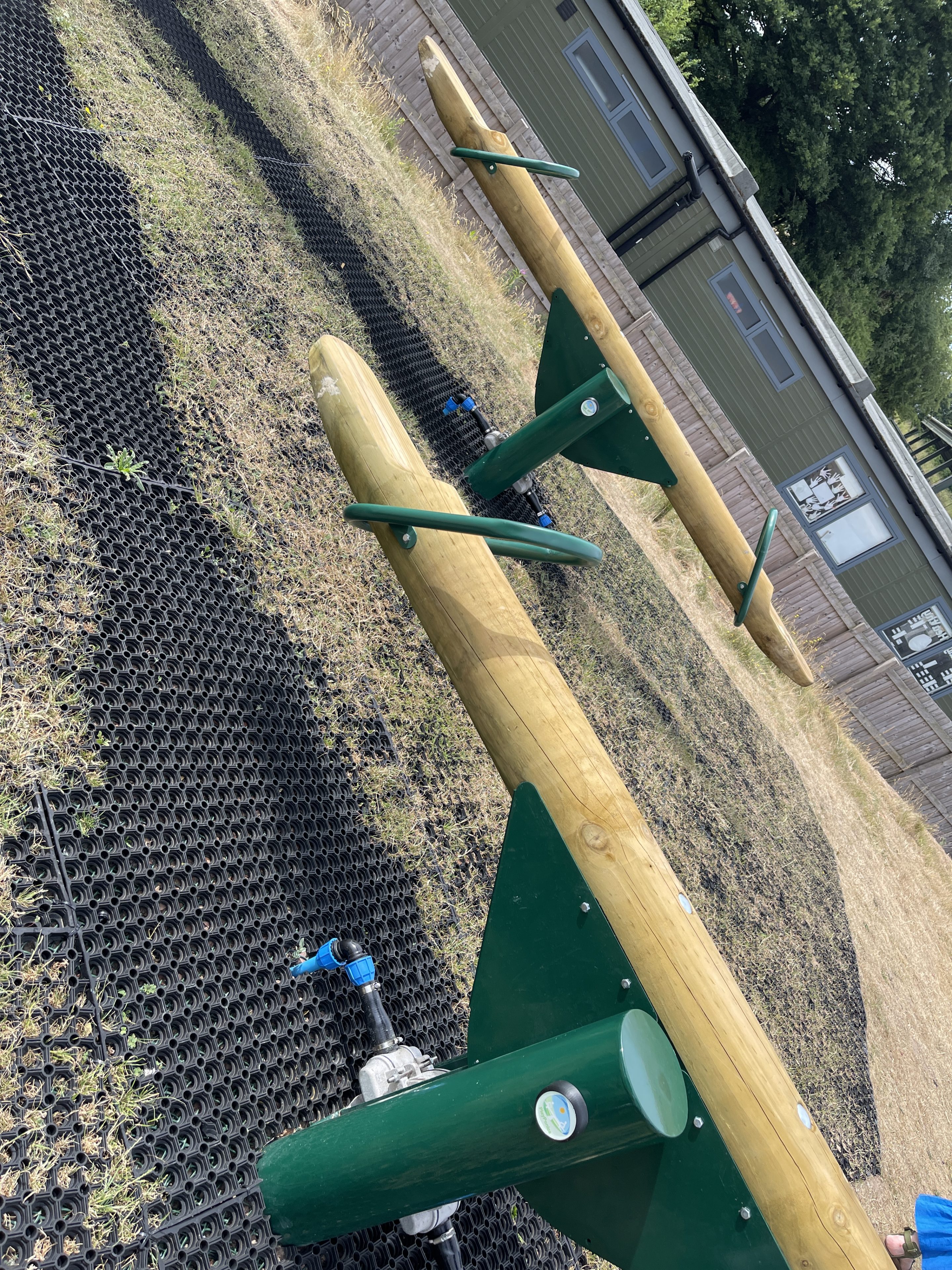
The afternoon included with a warm welcome from staff and a tour of the school’s growing range of eco-focused equipment and spaces. Staff were able to see how classrooms, outdoor areas and play spaces are being used to support pupils’ learning about biodiversity, food and wellbeing. From simple tools and sensory resources to more innovative outdoor installations developed with partners such as Lightmain

Short, punchy TeachMeet-style presentations showcased how this equipment is being used in real lessons—linking sustainability to science, as well as to communication and life skills. Colleagues shared honest reflections on what has worked, what needed tweaking and how pupils have responded, particularly those with more complex needs. The informal format created plenty of space for questions, peer support and spontaneous problem-solving.

Crucially, the EcoTeachMeet helped to strengthen a network of educators across South Yorkshire who are keen to move from good intentions to practical climate action in schools. Participants left with concrete ideas they could try the very next week, as well as new contacts to collaborate with in the future.

Special thanks go to Jill and Holly from Abbey School for hosting such a warm and well-organised event, and to Avika from Lightmain for sharing her expertise on creating sustainable, engaging play and learning environments. Their combined enthusiasm and leadership made the EcoTeachMeet a real catalyst for ongoing change.

You can find out more about Playponics on the slides below.

Think Climate! with South Yorkshire’s Children’s University

South Yorkshire Children’s University helps children and young people build essential life skills through learning activities outside of the classroom. For over a decade, Children’s University has been supporting thousands of pupils across Sheffield – and more recently in Rotherham, Doncaster, and Barnsley to grow their confidence, motivation and self-esteem. Research shows that children who take part in Children’s University activities not only enjoy richer experiences, but also achieve higher results in school, including SATs and GCSEs.

Wildflower greetings card activity – provided by participating school

Project in a Box

One of South Yorkshire Children’s University’s most successful initiatives is Project in a Box – a ready-made resource kit that enables schools to run engaging after-school clubs for groups of 12 or more pupils. Staff are supported through training sessions before delivering six to eight weeks of activities, all leading to a celebratory event where pupils showcase their learning and take part in themed challenges.

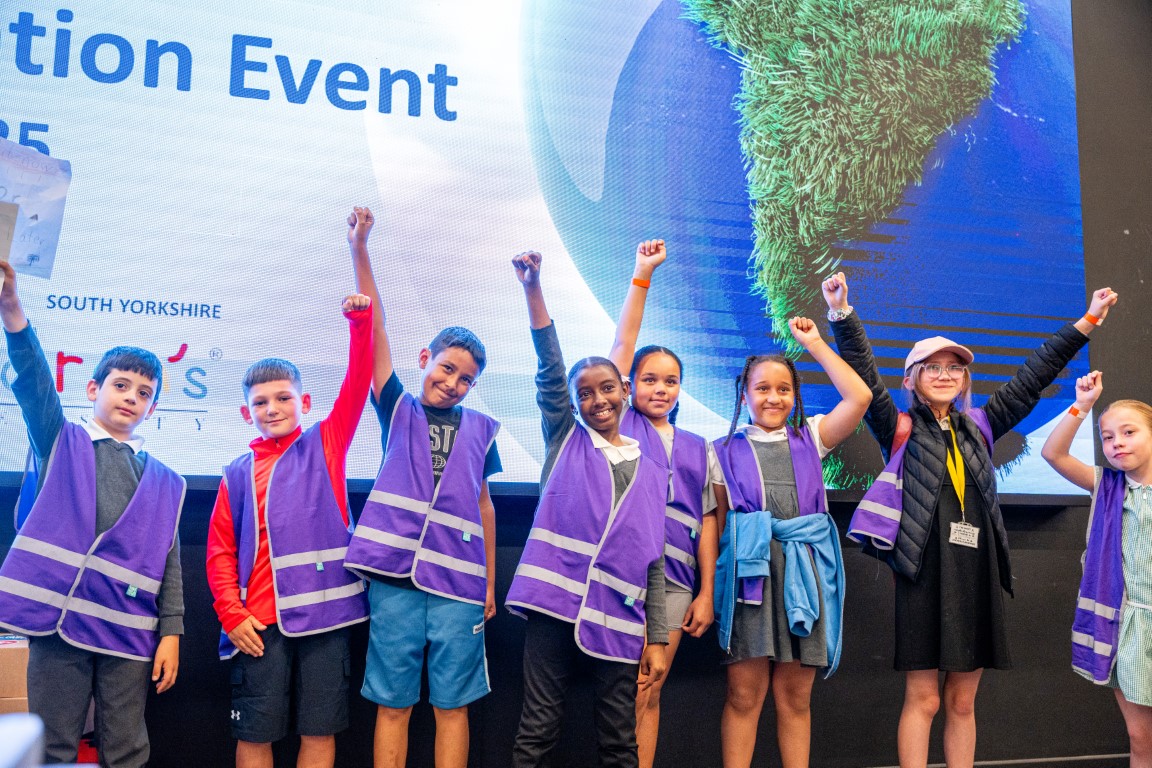
Celebration event at Sheffield Hallam University – Institute of Education

Think Climate!

For the 2024/25 academic year, Sheffield Hallam University partnered with Children’s University to launch the Think Climate! edition of Project in a Box. Developed by academic staff at the Sheffield Institute of Education (SIOE), the programme introduces pupils to climate change and biodiversity through a positive, research-informed approach. The focus is on increasing young people’s sense of agency and reducing eco-anxiety by highlighting local solutions and actions they can take.

Teacher CPD on climate education and using the box

The project offers:

  • 8 themed sessions designed around climate change and sustainability.
  • Teacher training and CPD to support confident delivery.
  • Creative resources and incentives including craft activities and children’s books linked to environmental themes.
  • Celebration events where schools and pupils come together to share achievements.
Students participating in the celebration event day at Sheffield Hallam University

Impact and Reach

Launched in October 2024, Think Climate! has engaged nearly 50 schools across South Yorkshire – the highest number to date. Early evidence shows a positive impact on both teacher and pupil knowledge, skills, and motivation to respond to the climate and biodiversity crisis. A more formal evaluation is being undertaken and will be published soon (October 2025).

The project culminated in a celebration event taking place at the Institute of Education at Sheffield Hallam in July 2025. Over 100 children and staff attended from nearly 15 schools across South Yorkshire.

This collaborative project was delivered by Sheffield Hallam University’s Institute of Education, the Civic Partnership team, and Sheffield Children’s University, with support from our funding partners.

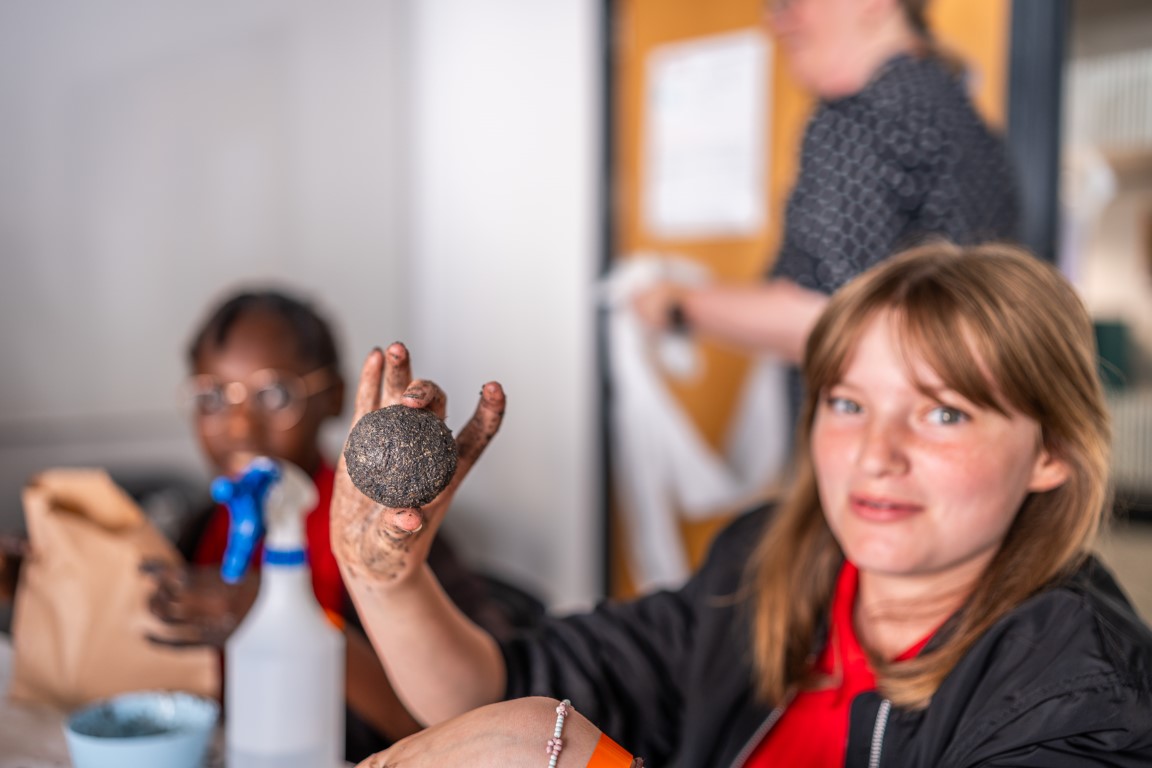
Bath bomb making – image provided by participating school

Funding Partners

  • Sheffield Hallam University – Hallam Fund
  • Sheffield Hallam University
  • University of Sheffield

Research Team

Project in a Box resources and education pack

Further information and links

Celebration event
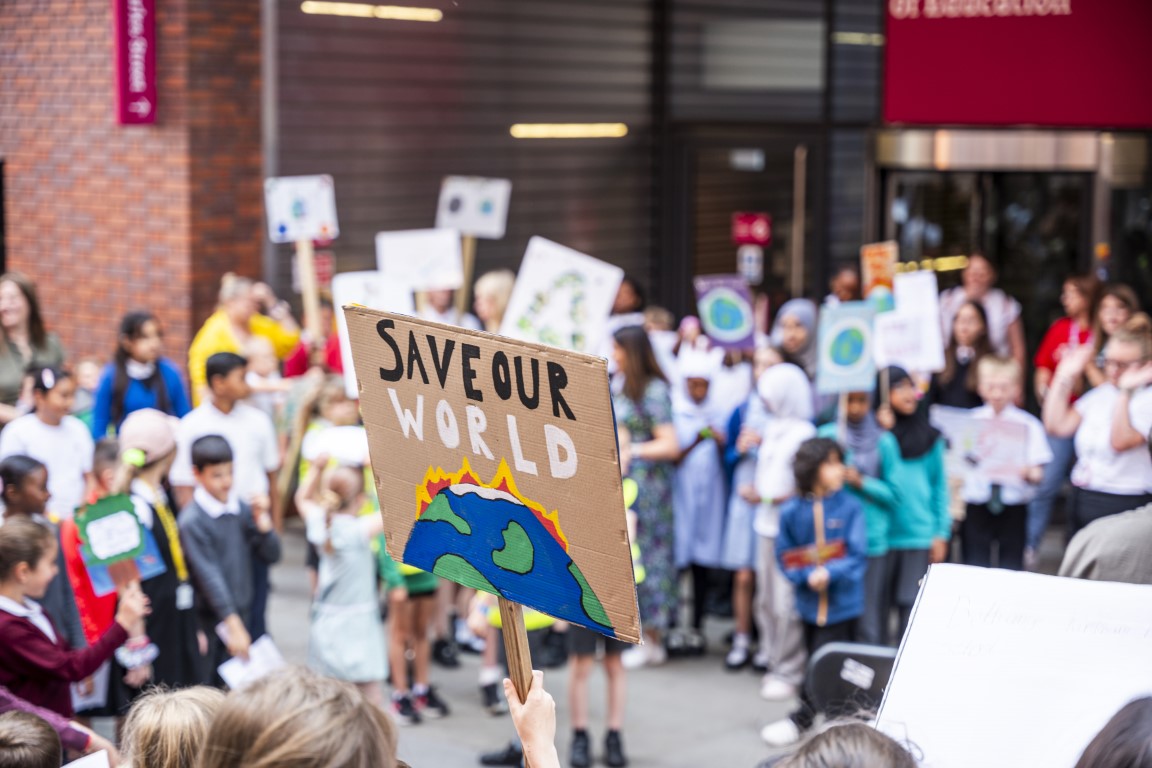
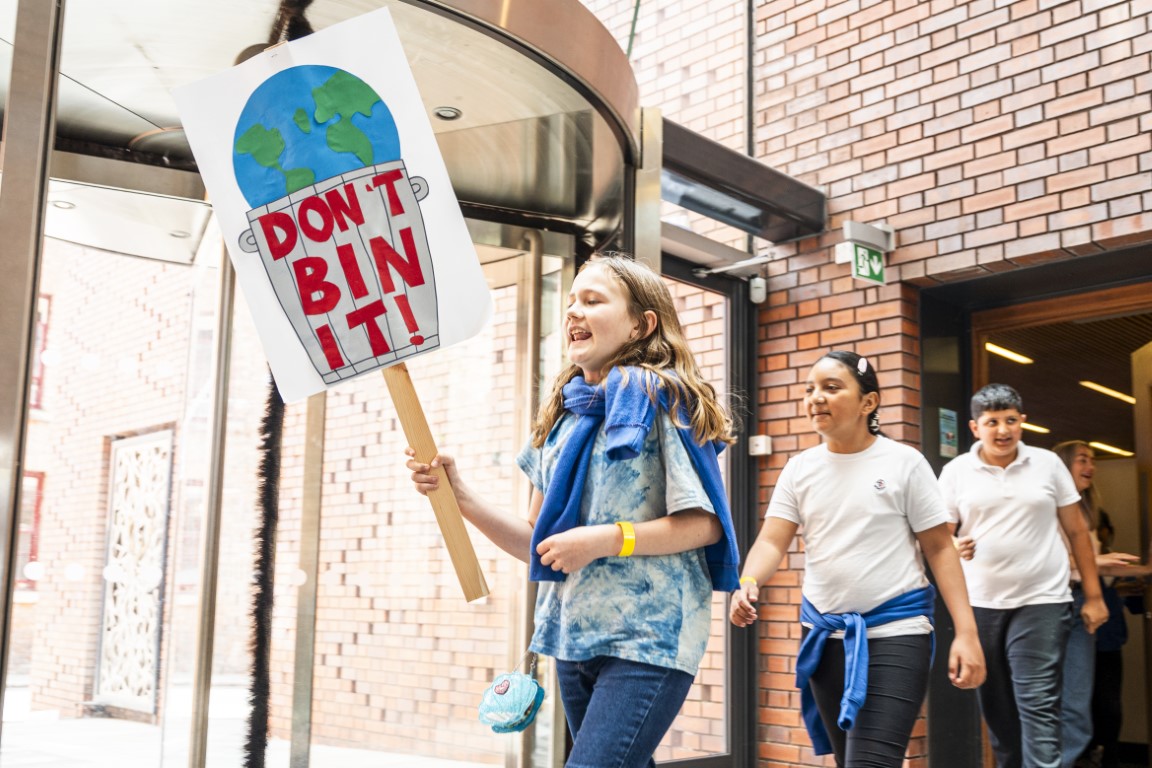
Climate march at Sheffield Hallam
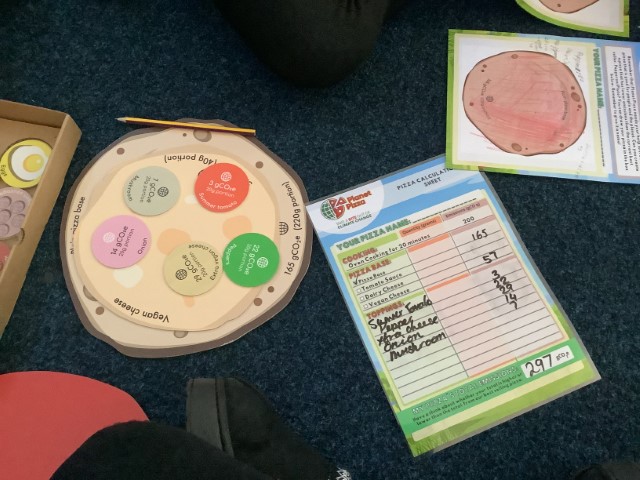
Climate friendly pizza designs

Energy efficiency UP, wildlife OUT? How to make sure energy efficiency improvements work for your school and for wildlife, too

Prof. Aimee Ambrose, Sheffield Hallam University

Standing in the playground at my daughter’s school in summer, my eyes are always drawn upwards. Few other people seem to notice the fast and stealthy flight of the prehistoric birds overhead. They are Swifts and they have nested in the eaves of the 19th Century school for as long as anyone can remember. There are about six nesting pairs at the school these days and they cause no problems at all, going unnoticed most of the time, aside from their occasional aerial acrobatic displays. Children participating in the school’s Eco Club are encouraged to look up and appreciate the world’s fastest bird in level flight, that make their homes in their school.

Swifts are incredible birds – they migrate from central Africa every spring to breed in the cooler climes of Northern Europe. They can travel at 60mph and cover 500 miles a day on their migration. Swifts eat, sleep and breed while flying. They never stop for a perch or a rest- they simply rest half of their brain, while the other half keeps them moving. Swifts are truly prehistoric, having survived the mass extinction that killed the dinosaurs.  They navigate their way to the exact same spot every year to breed and do so every year of their adult lives. They are faithful to their nesting sites and if they are unable to access them, they will die trying to gain access. Swifts are just one variety of ‘cavity nesting species’, a group that also includes House Sparrows, Starlings and various species of Bat. House Martins and Swallows may also be considered cavity nesters, but they tend to build nest cups out of mud attached to the outside of a building, rather than tucking themselves on the inside.

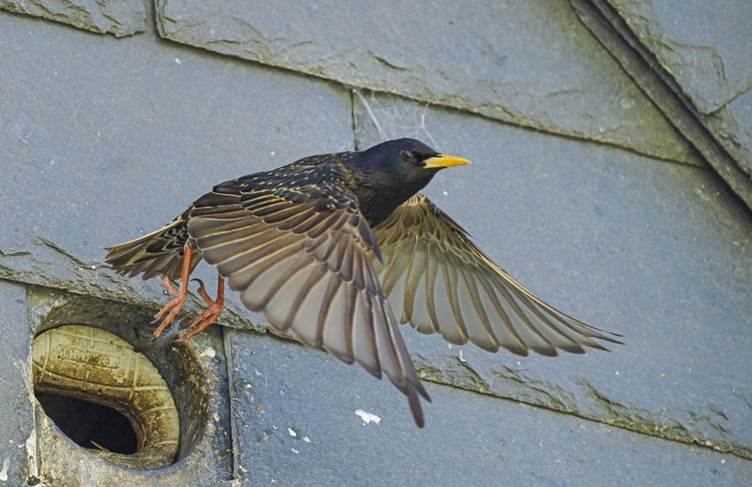
Starling leaving a nest brick. Copyright Hugh Hastings. Accessed via Sheffield Swift Network.

All of these species are in steep and rapid decline (all with Red Listed status, meaning they are at risk of extinction). The threats facing cavity nesting species are myriad, but chief amongst them is loss of nesting sites. For millennia, cavity nesters have made their nests in our homes,  tucking into tiny nooks and crannies under the roofline. But, we are blocking up these small gaps more than ever, often in pursuit of greater energy efficiency in our buildings. Many people making improvements to buildings, whether it’s installing a new roof, boosting insulation or just fitting new fascia boards or guttering, will have no idea that they are contributing to the decline of wildlife.

Government has recently launched a long overdue programme to boost the energy efficiency of public buildings, including schools. This investment is to be welcomed and will make schools more thermally comfortable and reduce running costs. But, there is a hidden risk in rolling out schemes like this. The preponderance of older school buildings in the UK, with their abundant imperfections in the brick and stonework, appeal hugely to cavity nesting species. Forging ahead with works without an ecological survey risks harming already vulnerable species and breaking the law. Disturbing or blocking access to an active nest site is illegal in the UK, whether you realise you are doing it or not. Erecting scaffolding that blocks access to the eaves, also counts as blocking access.

Cavity nesting species make important contributions to healthy eco-systems and will do no harm to a building. Indeed, hosting cavity nesting species in your school provides the best possible opportunity for children to learn about and be close some of our most astonishing and vulnerable wildlife.

If you’re (very wisely) considering taking advantage of subsidies to improve energy efficiency in your school, then take the opportunity to learn about the wildlife that might be very quietly securing its future within your buildings first. This is more likely in older school buildings, but can occur in buildings of almost any age, where there are small gaps in the brick or stonework or under roof tiles. Ensuring that any work (whether investigatory or more substantial) takes place outside of the nesting season (which runs from late April until September), will avoid any harm to wildlife.

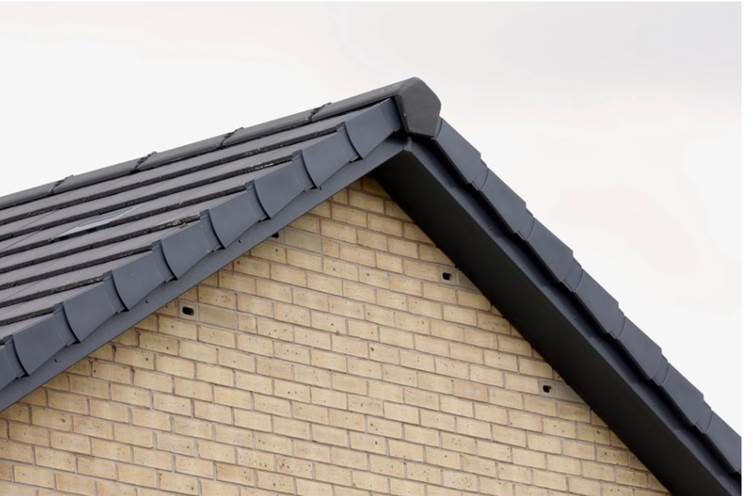
Four Swift bricks installed in a gable end. Copyright Merv Page. Accessed via Sheffield Swift Network.

Whether you have wildlife nesting or roosting in your building or not, consider making provision for it while you’re doing work by installing as many universal nest bricks as you can- they can accommodate most types of cavity nesting birds and bats and never need any maintenance. They cost as little as £30 each plus installation costs and can be transformational for cavity nesters. Other solutions also exist if nest bricks aren’t possible, including nest boxes that affix to the outside of a building or integral nest boxes that sit inside soffits. For more information on solutions that can benefit all cavity nesting species, visit Sheffield Swift Network’s (SSN) website: www.sheffieldswiftnetwork.org

Feel free to contact me for further information: a.ambrose@shu.ac.uk