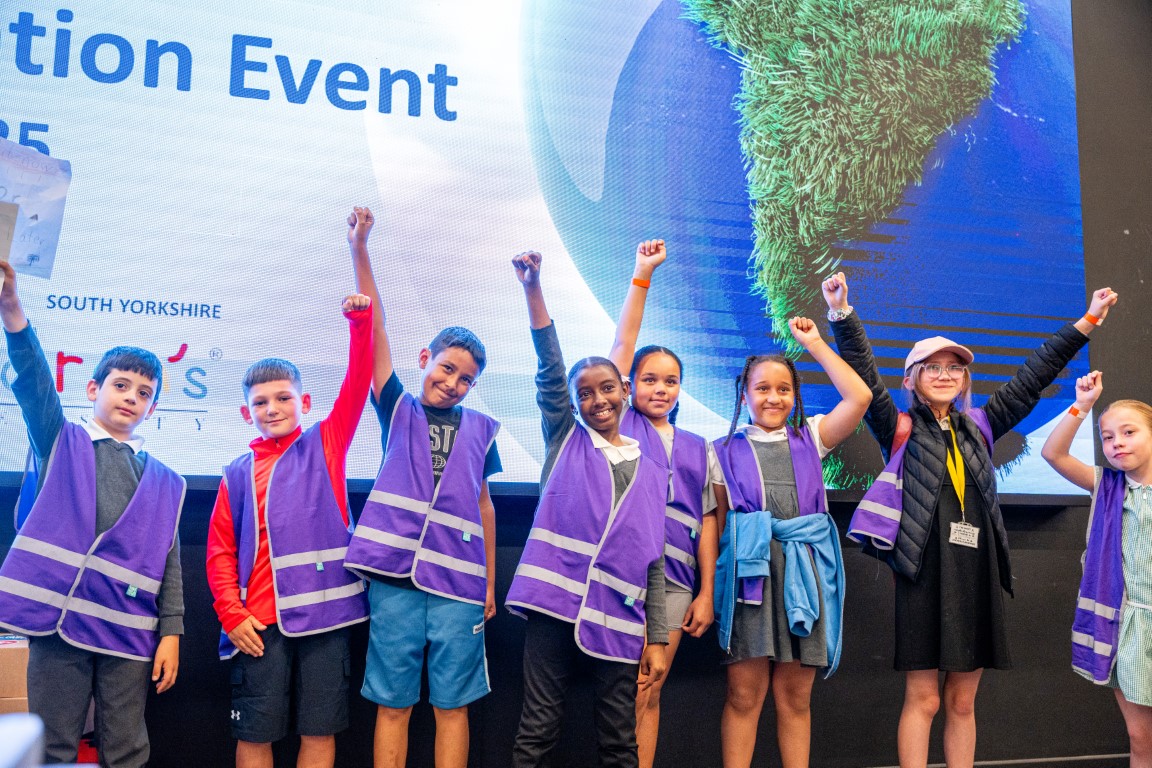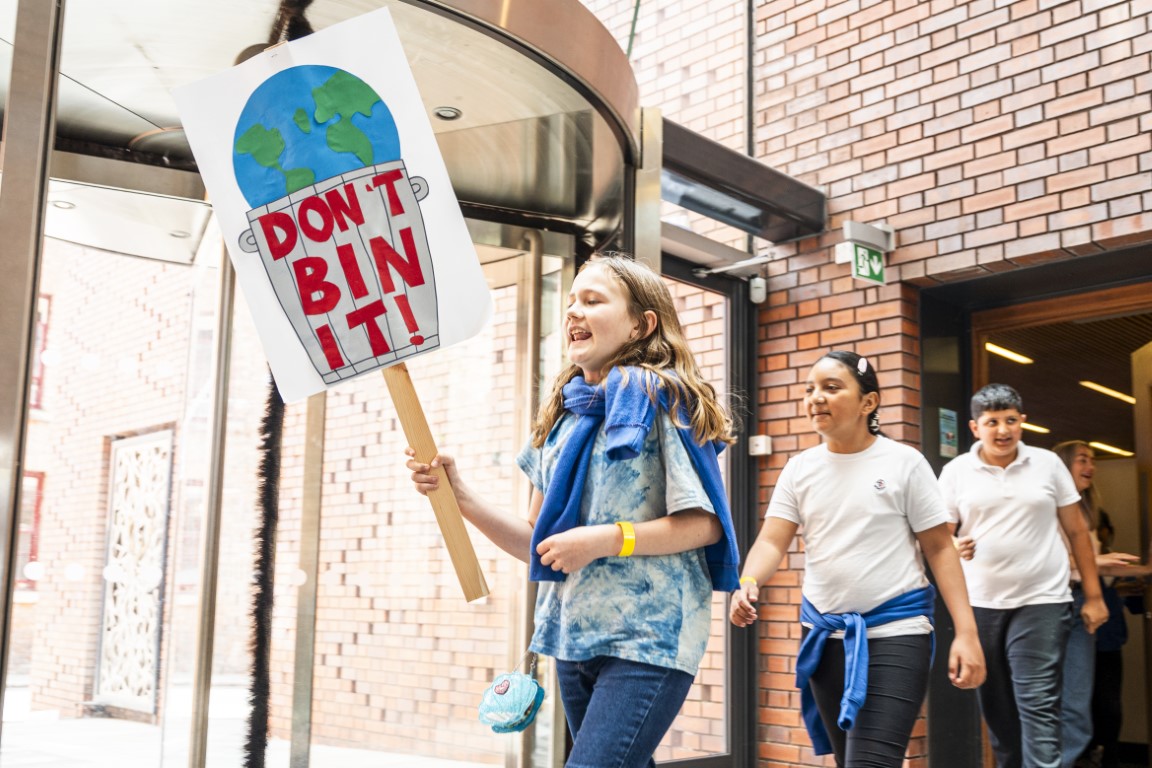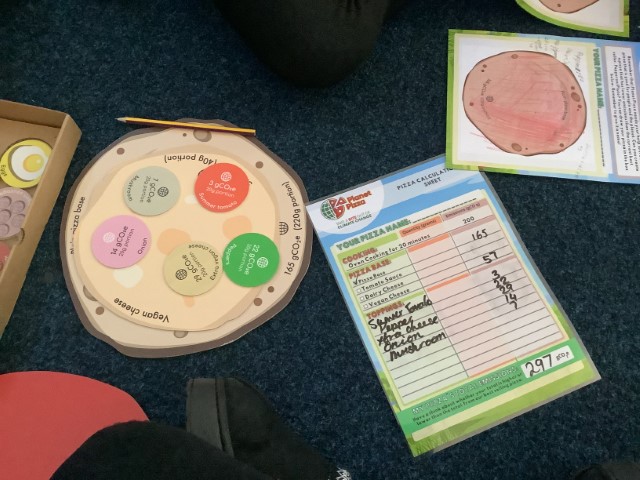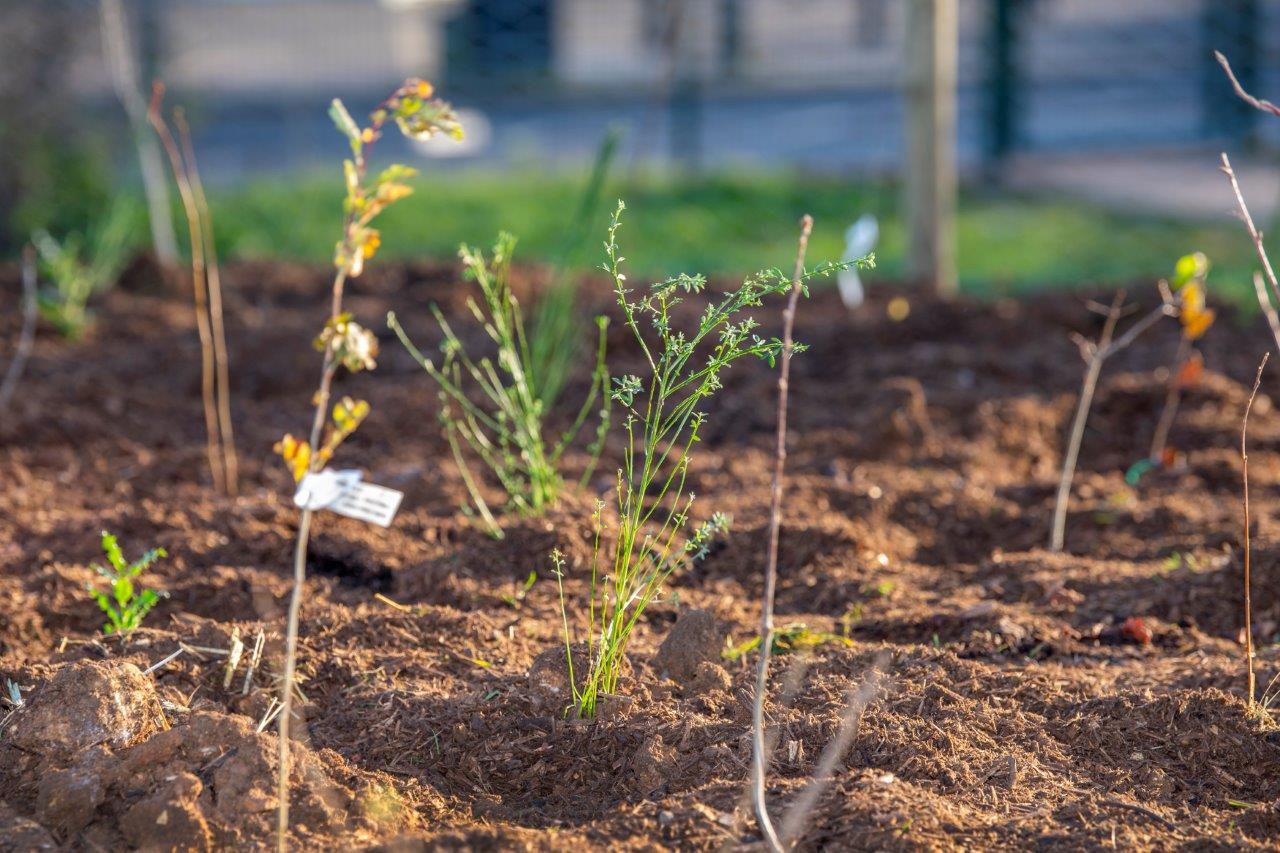
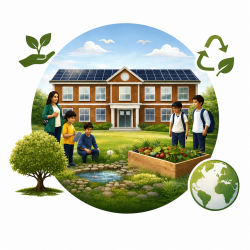
A Royal Society Partnership Grant Seed Award project connecting South Yorkshire primary schools with university STEM professionals for authentic climate education.
The Project
Funded by the Royal Society through a Partnership Grant Seed Award, the project connected 25 South Yorkshire primary schools with university-based STEM professionals to deliver authentic climate and sustainability investigations rooted in local contexts. The project ran across two cohorts between September 2024 and March 2026.
Why this mattered
South Yorkshire ranks in the top ten nationally for STEM research funding, yet the region scores significantly lower on cultural engagement with science. The expertise existed but wasn’t reaching children and communities in schools. We deliberately focused on schools with high proportions of children on free school meals, high SEND, or pupils from minority ethnic backgrounds. The expertise was there. It just needed connecting.
The project had four core aims:
- To engage children in authentic scientific enquiry linked to their local environment
- To build teachers’ confidence and subject knowledge in climate science
- To support STEM professionals in developing their science communication and public engagement skills
- To create lasting connections between schools and universities that could be sustained through future funding
What we did
Investigations were drawn from a menu of themes including air quality, biodiversity, renewable energy generation, sustainable drainage systems, and energy efficiency in school buildings. Each school and STEM professional pair was encouraged to tailor their chosen topic to their community, so the science children were investigating was rooted in their own place.
The project included:
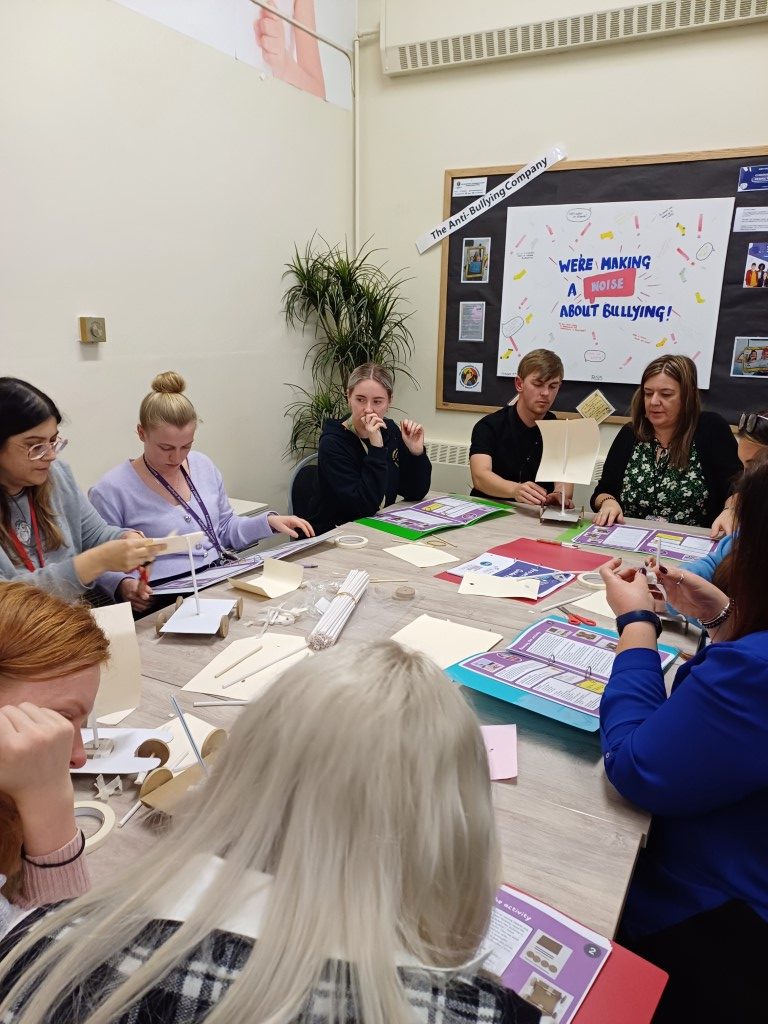
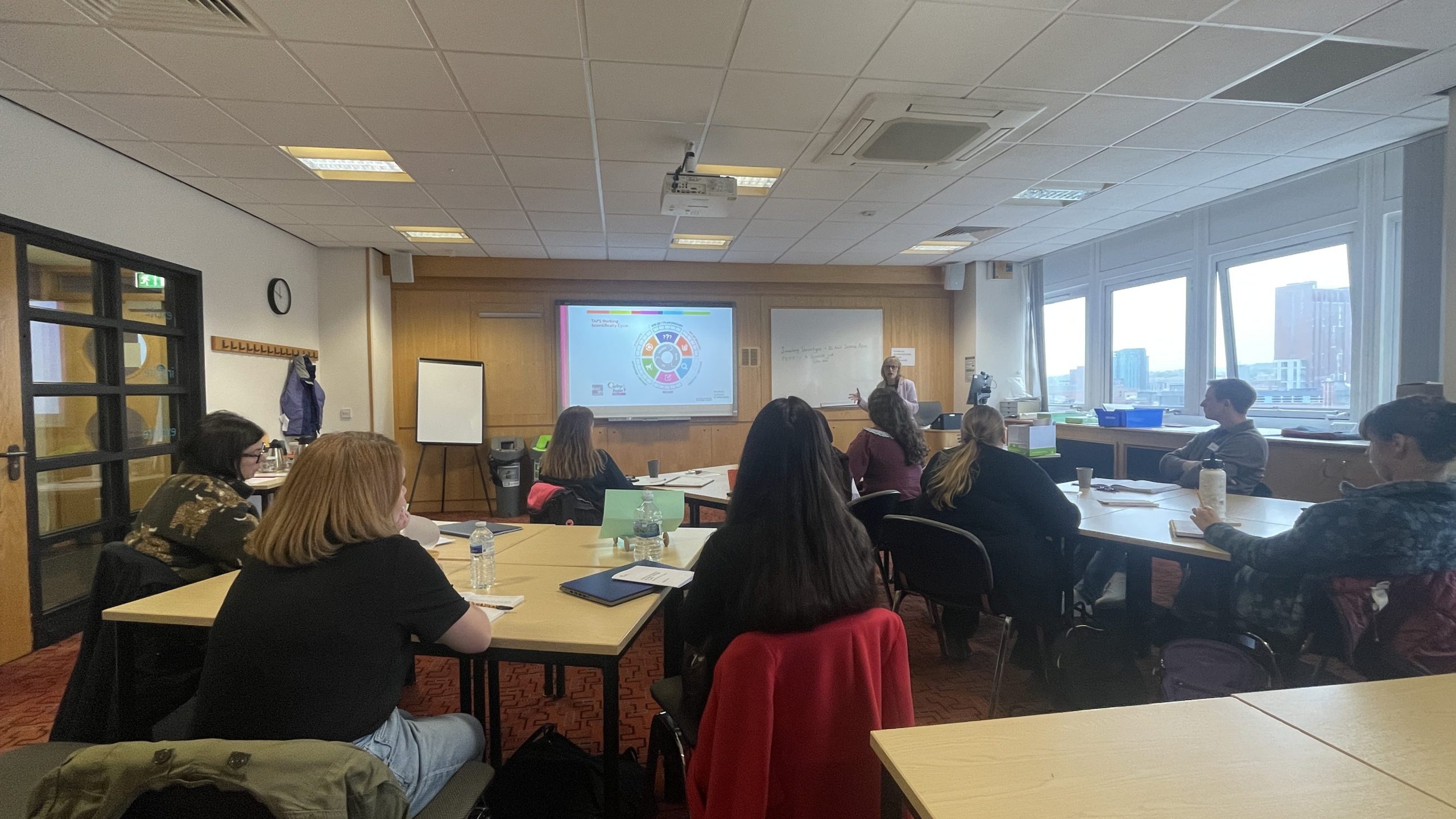
- A full-day training event at the start, covering climate science policy, investigation equipment, and partnership building
- Ongoing mentoring and support from Sheffield Hallam University’s research team
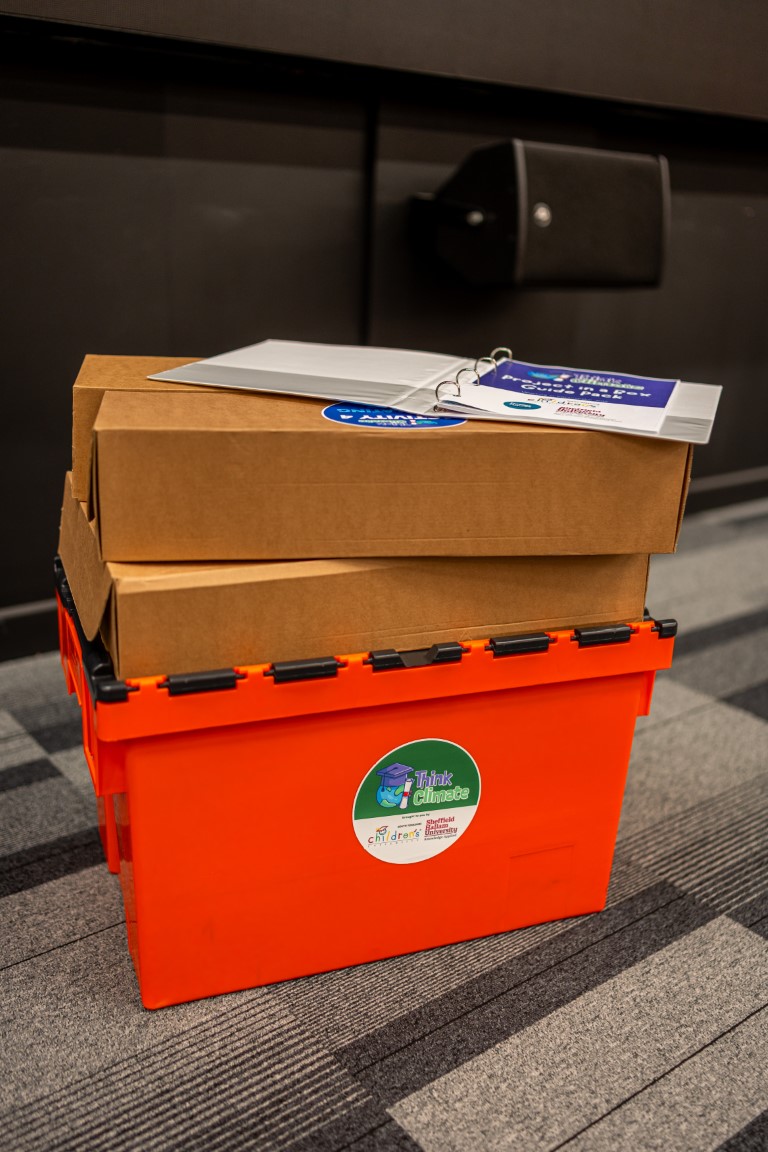
- Access to investigation kits and specialist resources from partners including Solar for Schools and the National Education Nature Park
- Celebration events at Sheffield Hallam University where schools came together to share their findings
What we found
The evidence from our research shows significant impact across all participants. We gathered data through interviews and surveys with teachers and STEM professionals, with ethics approval from Sheffield Hallam University (ER78155981).
For children
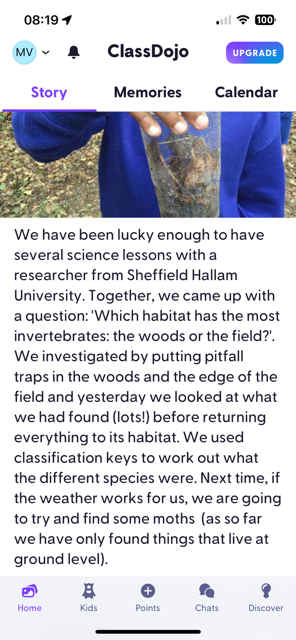
“You don’t see them, right? And then you see them in a pitfall trap and it’s like, oh my god, llok, it’s loaded. I think it’s really useful for them to actually see there is a huge diversity of life, even if you can’t immediately see it.” Researcher, invertebrate diversity project
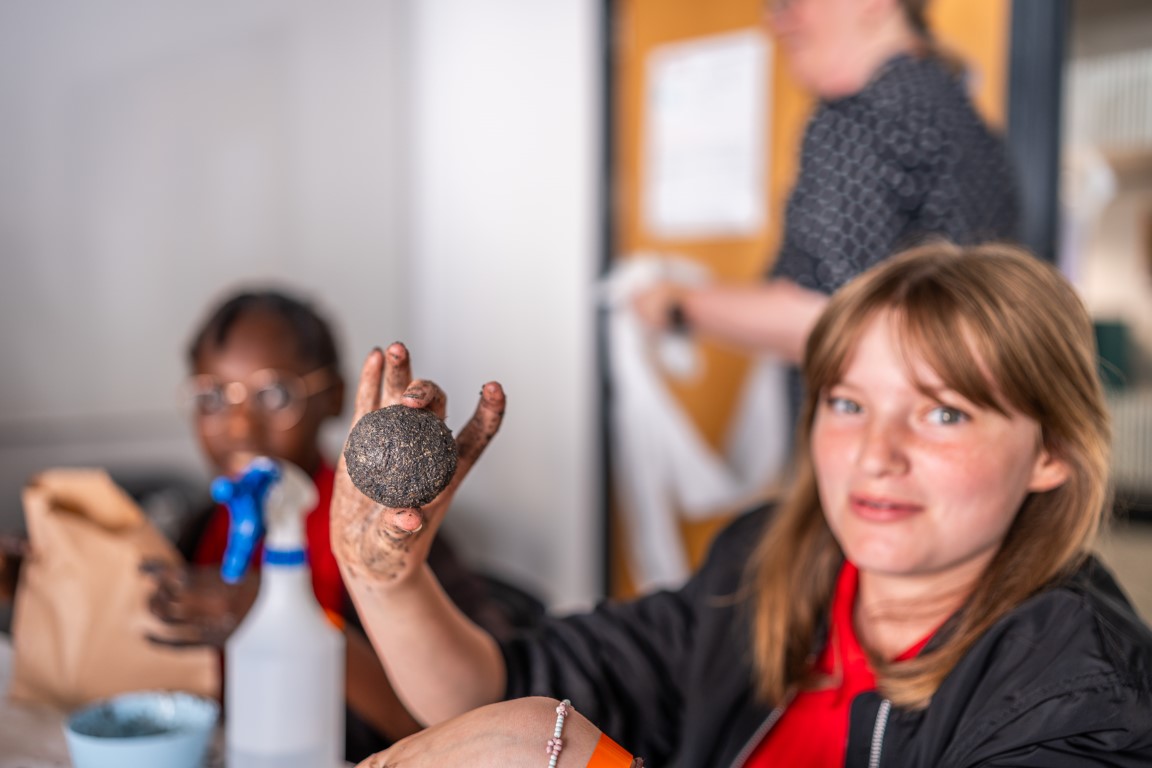
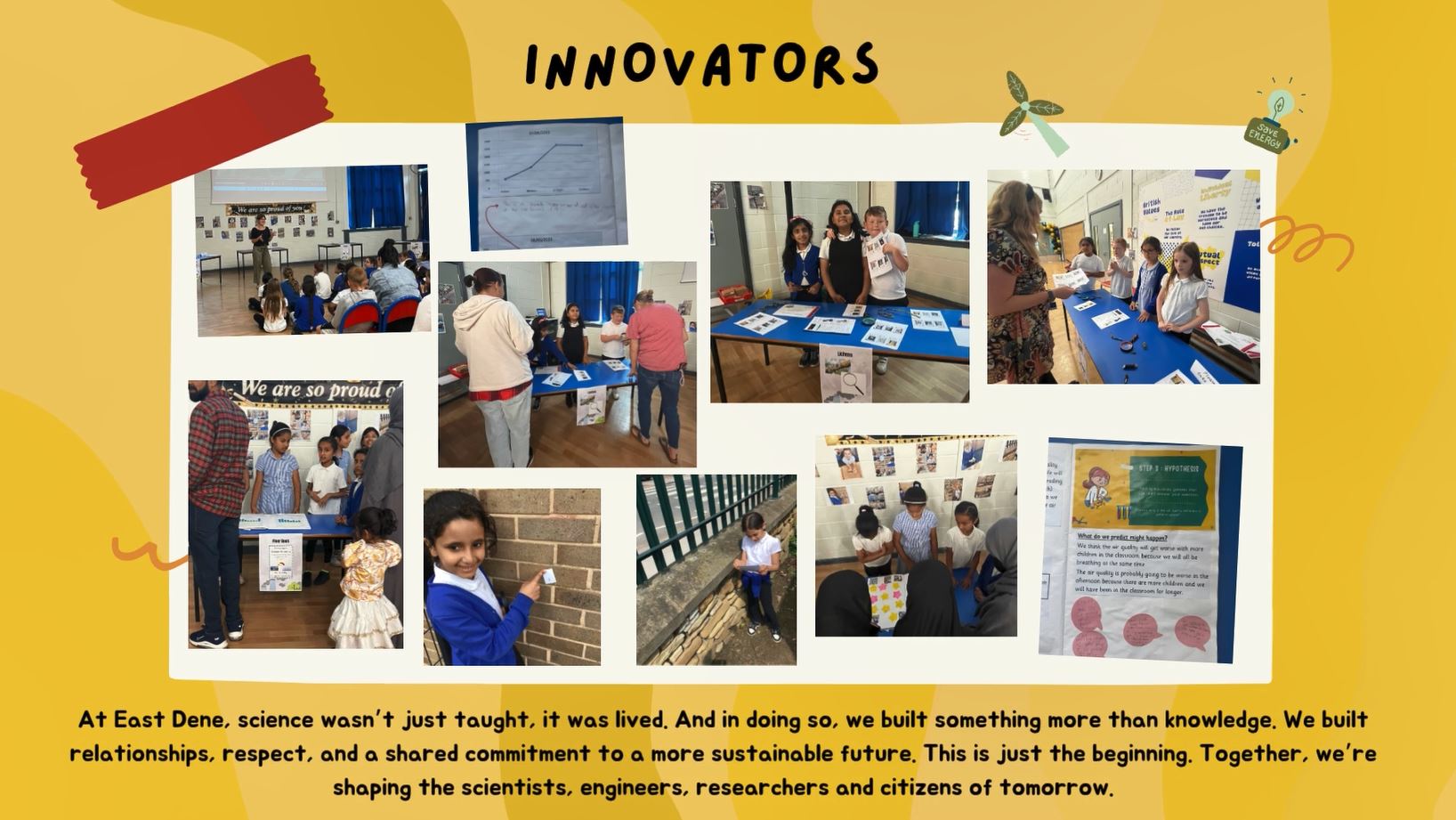
Across every interview and most survey responses, children’s enthusiasm and curiosity stood out as one of the project’s most powerful outcomes. This engagement rarely stayed inside the classroom. Children took their learning home, told their parents, and in several cases sparked interest from siblings and other year groups.
Children’s engagement was deepest when the science felt relevant to their own lives. The air quality projects found powerful local hooks: the road outside school, the traffic at drop-off time, a nearby fire showing up on the monitor.
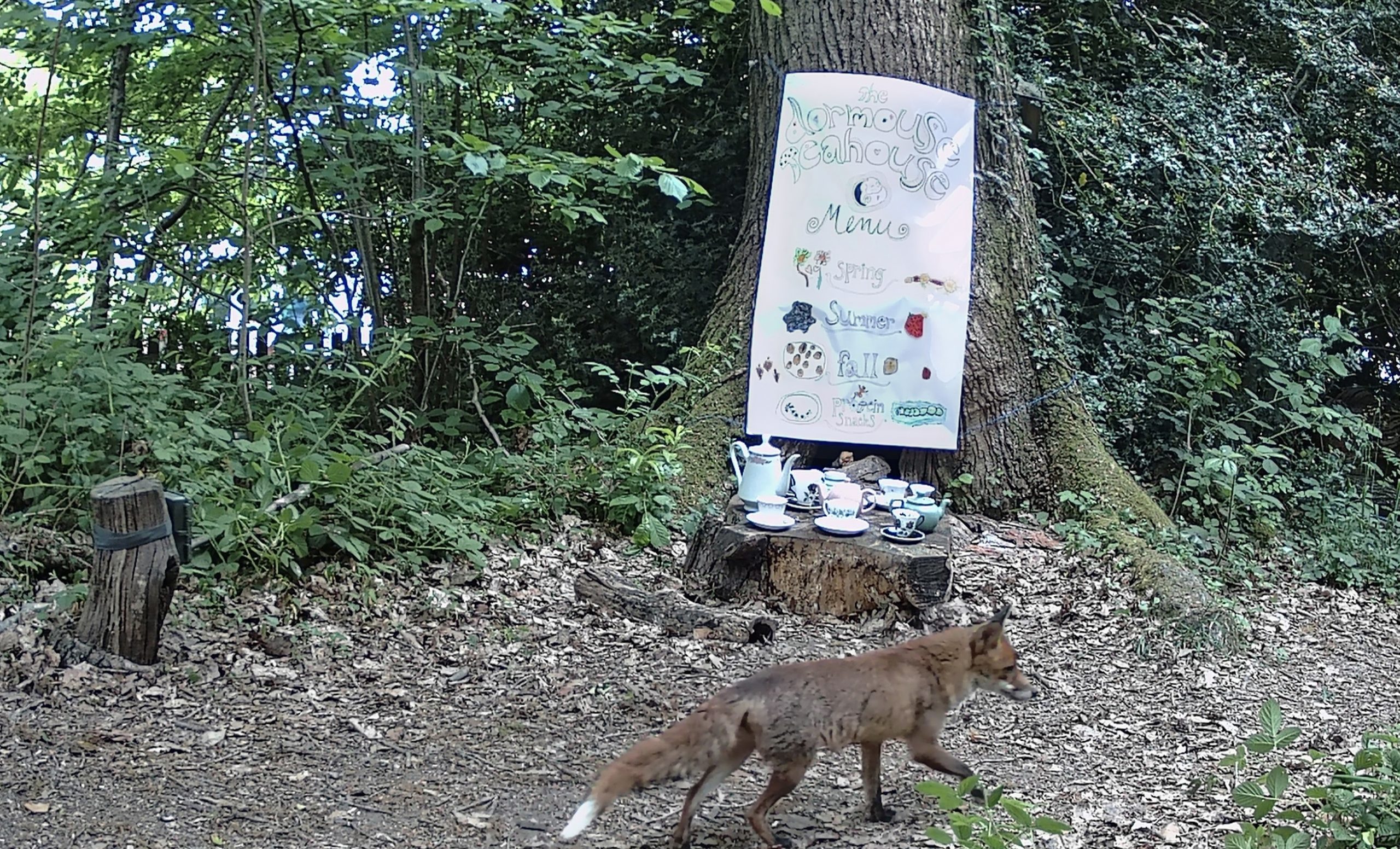
“We were amazed to see the badgers, foxes, squirrels and other animals. The children told their classes about the rhythms and routines they observed – the badger, fox and squirrels all had very set night-time routines and patterns.”Teacher, biodiversity and wildlife camera project
Several participants noted that investigative learning creates space for children who struggle in other contexts to find their footing and be heard.
For teachers
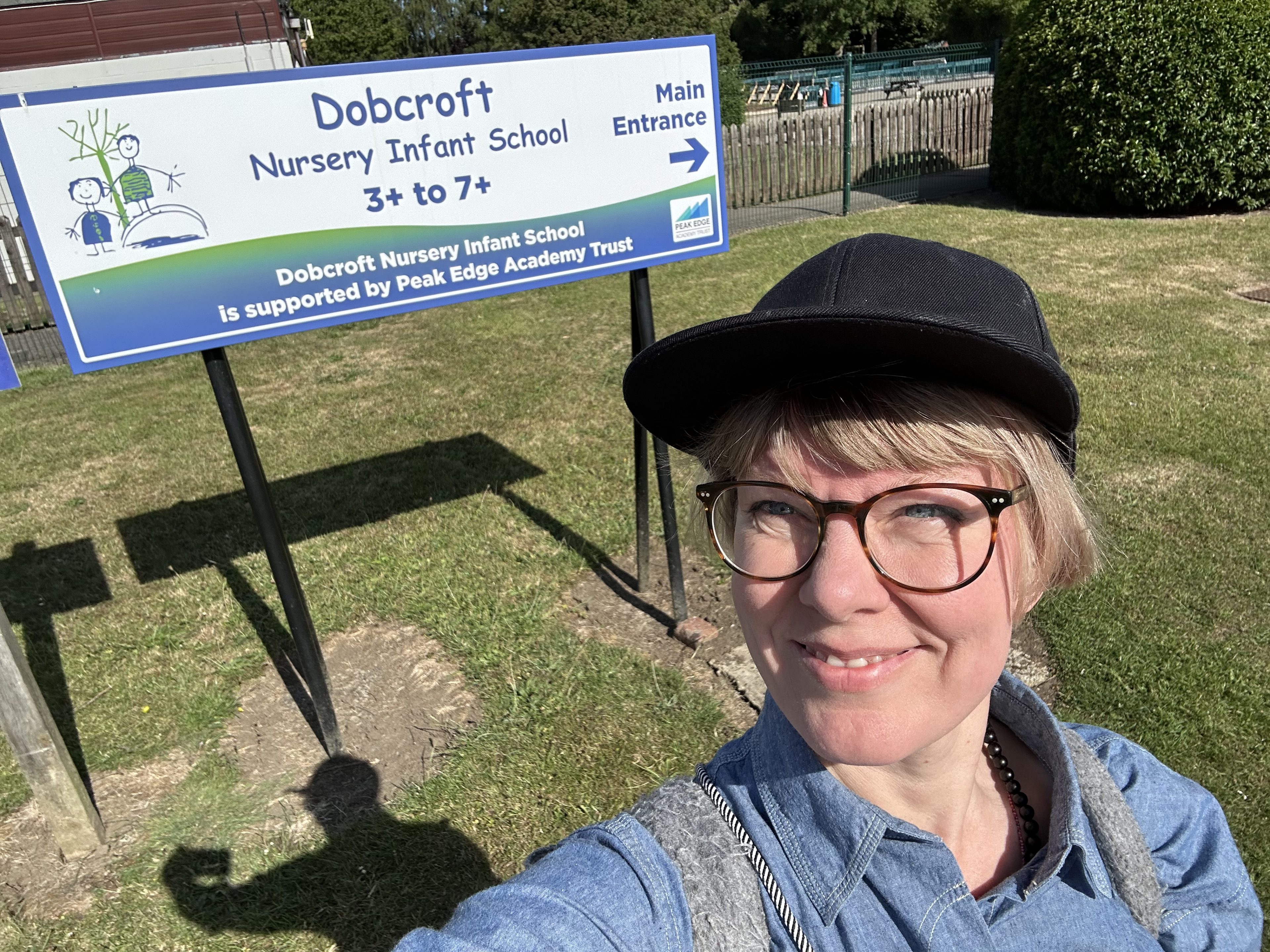
“It built my confidence a lot in the knowledge of the topic and being able to deliver that to children. On the strength of this project, I went to a climate conference at Sheffield Hallam, and I’ve unofficially taken on the role of eco ambassador at school.” Teacher, air quality project
All three teachers interviewed described significant growth in their own confidence and motivation as a result of the project. For some this was primarily about subject knowledge; for others it was about finding new ways to structure learning and involve children in genuine enquiry.
The confidence gain was also about recognising that the project could be sustained independently. Several teachers described feeling equipped to run investigations again without the STEM professional, representing a shift in capacity rather than dependency.
“We are able to do it now without our partner, much as we’d love to have her in again. My colleague and I think, actually, we could do that again. We’ve got it all recorded, so we can replicate it quite well.” Teacher, air quality project
For STEM professionals
“If I ask a question to 80 undergrads, not one person answers. If you ask a Year 4 class, the whole room puts their hand up. The kids are just interested. I find that, honestly, wonderful.” Researcher, water and flooding project
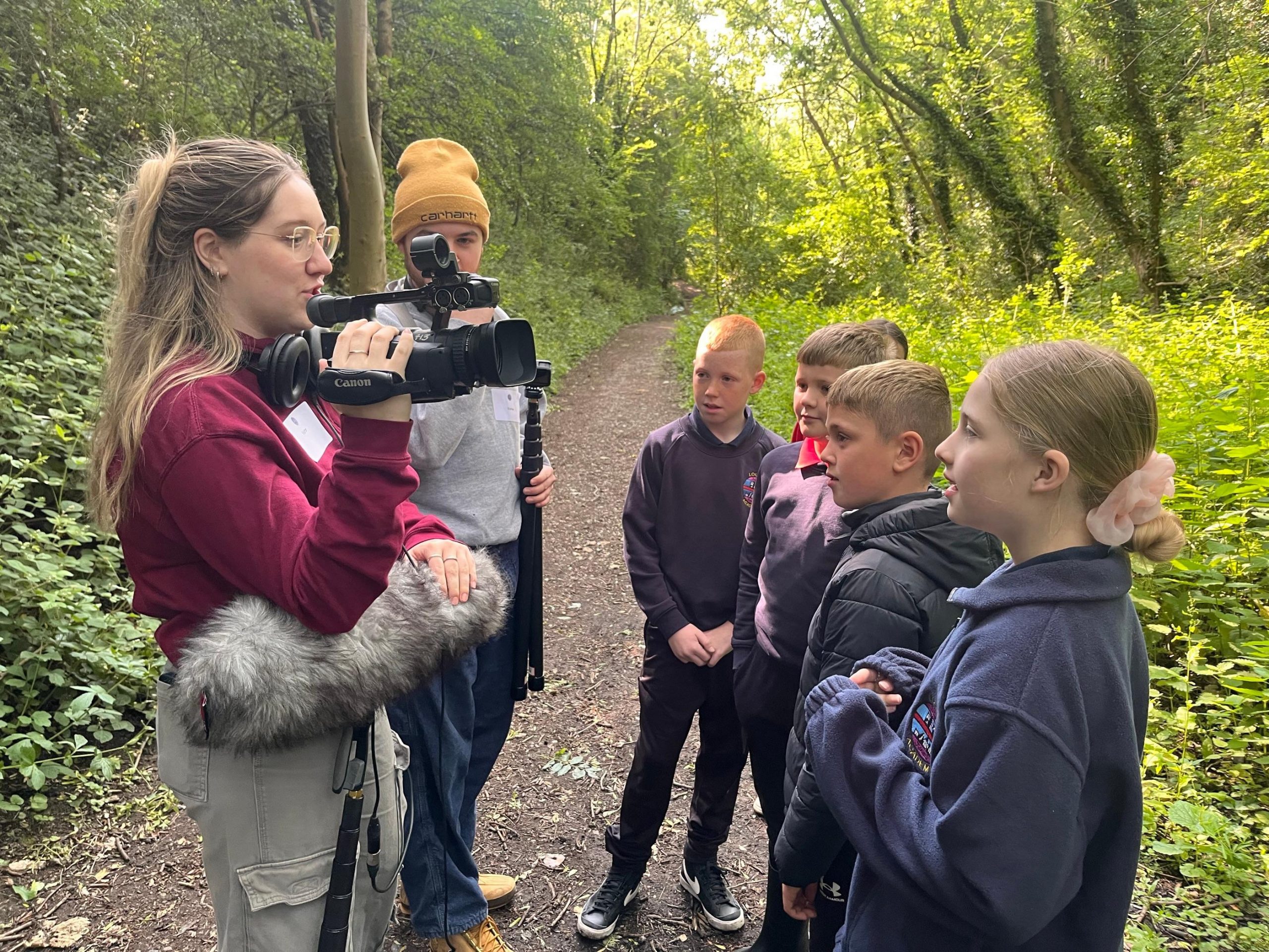
For STEM professionals, the project offered something different from their usual working environment: an audience that was unreservedly curious, and a challenge requiring them to think carefully about how they explain what they know.
For those earlier in their careers, including PhD students and postdoctoral researchers, the project built confidence in public engagement and science communication. More established researchers reflected on how the experience had challenged their assumptions about what primary-age children already know.
“I hadn’t appreciated how broad the knowledge base of children of that age is. Some of them I could have taken into my undergraduate classes and they’d have been fine. Others were all keen, but no. I have nothing but admiration for teachers who do that every day.” Researcher, water and flooding project
The quality of partnerships
The partnerships between teachers and STEM professionals were at the heart of the project. The best partnerships were characterised by mutual respect, flexibility, and a sense that both people brought something distinct and valuable.
“She recognised that I was an expert in research design and climate science. I recognised that she was a specialist in understanding Year 4. Both of us drew out what that could look like together.” Researcher, air quality project
What we learned for next time
Not every partnership worked as smoothly from the start. One recurring issue was uncertainty about roles in the classroom. Setting clearer expectations upfront about what STEM professionals can offer would help. Beyond partnerships, we found that:
- School capacity is genuinely tight. Every school that joined the project completed something. No school disengaged entirely, which in a sector under these pressures is a real achievement.
- University and school calendars don’t align, creating practical difficulties particularly during exam seasons and term-end periods.
- Fixed-term contracts in higher education create barriers to continuity for researchers who want to take next steps.
- DBS checks need early planning. The time taken to process checks caused delays for some STEM professionals.
What came next (as of June 2026)
One of the most positive things about the evidence is how much has already happened beyond the formal boundaries of the project:
The Ripple Effect
- Three schools have already applied for full Royal Society Partnership Grants
- One researcher has had a Partnership Grant approved and is planning a longitudinal invertebrate diversity study with wildflower turf installation
- Teachers have embedded new approaches across the curriculum and plan to scale to other year groups
- One researcher shared the lichen air quality monitoring approach with another school in Doncaster
- Children have taken scientific vocabulary and methods back to parents in ways that were often unprompted and surprising
- One school has repeated the project with another year group and will be applying for funding to further develop their activities.
“We started small and then it was like, oh, but we could do this, and this, and this. It felt like a taster of what we could do. I’d love to give that opportunity to more children, not just two classes.” Teacher, air quality project
The Team
Project Lead: Lee Jowett, Research Fellow in Climate Change and Sustainability Education, Sheffield Hallam University
Team: Delivery: Joelle Halliday, Senior Research Fellow, Andy Bullough, Senior Research Fellow & Stuart Bevins, Principal Research Fellow. Data collection: Panagiota Blouchou, Research Fellow, Sheffield Hallam University
Partners: Royal Society (funders), Sheffield Hallam University, University of Sheffield, Solar for Schools, National Education Nature Park, Energy Heroes and Climate Ambassadors.
Resources and further information
All resources and materials from the project are available on our blog pages, including investigation guidance, equipment specifications, and reflective materials.
A full research report on the project outcomes is available on the research publications page and available to read below:
We have also developed seven short case studies to exemplify the type of work which has taken place. They are available on the links below: