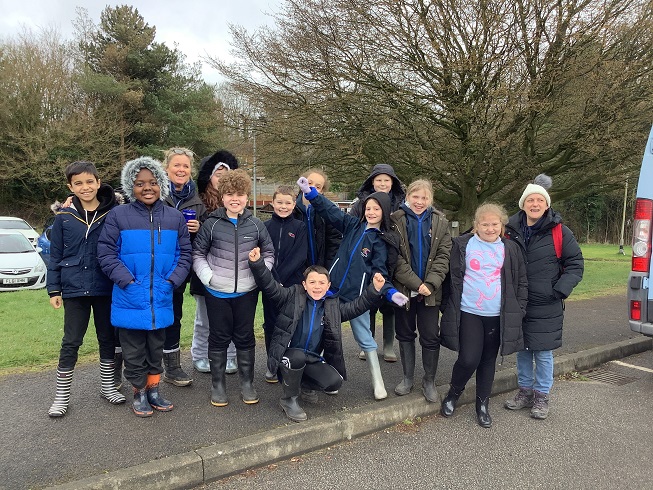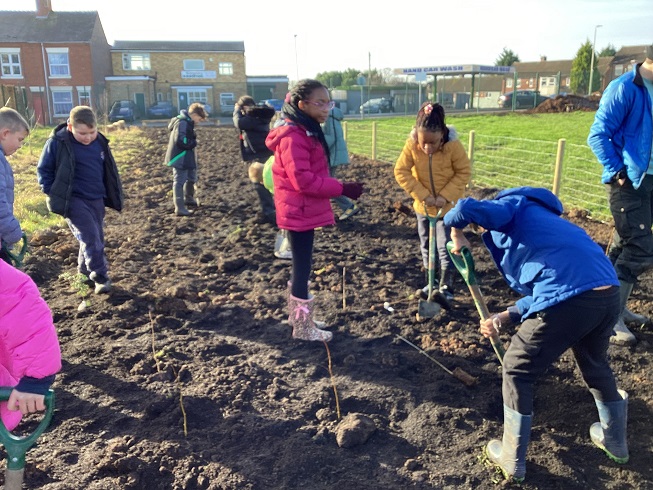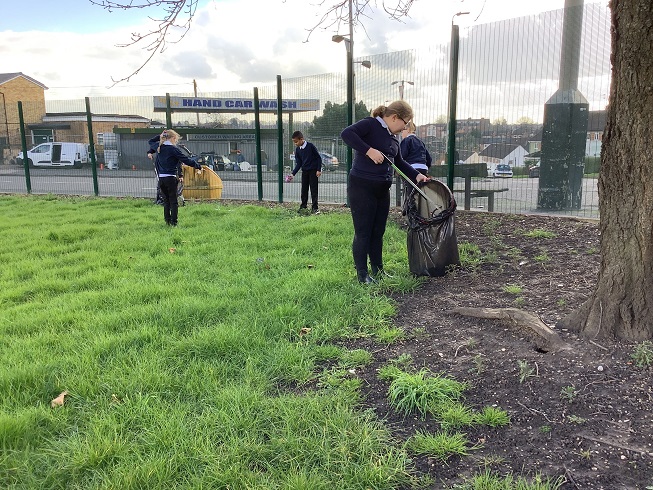
‘In our concrete jungle, we’ve been learning about biodiversity and urban wildlife.’

Naina Platt is the eco-lead at Charnwood Primary School in an urban area of Leicester. We spoke to her about how the council’s Eco-Schools network is helping her teach her children about the importance of sustainability.

What are the climate-related responsibilities of your role?

I oversee making our school eco-friendly by educating the children about sustainability and what that means to us — looking after the environment, how we can use our planet’s resources in a sustainable, manageable way, and what renewable resources we can use.

Can you give us some background on your school?

We are a happy, open, thriving primary school. We have approximately 440 students, who come primarily from an ethnic minority, with about 96% of Islamic faith. Others come from European and Caribbean backgrounds. A lot of our children come into school with English as an additional language, and a lot of our children receive the pupil premium to help them out. We’ve also got quite a few with special educational needs and disabilities (SEND).

What sort of space do you have?

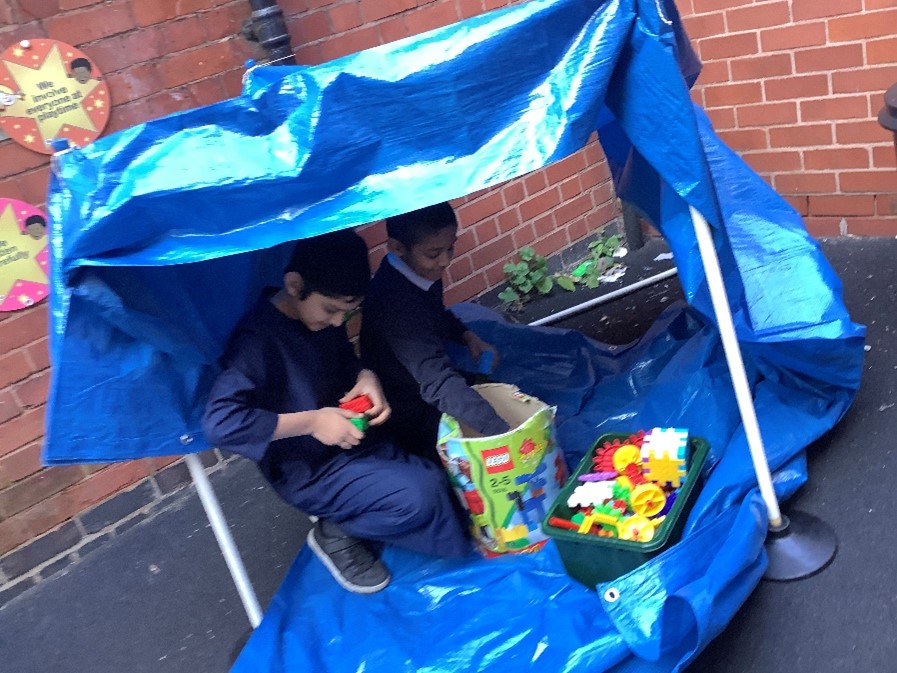
We are extremely limited with our school environment. Indoors, space is a big issue for us. We have our classrooms, but for any additional space we are really limited.

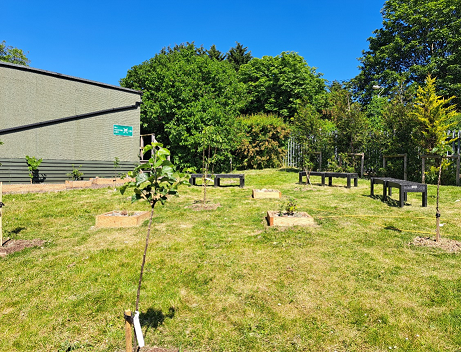
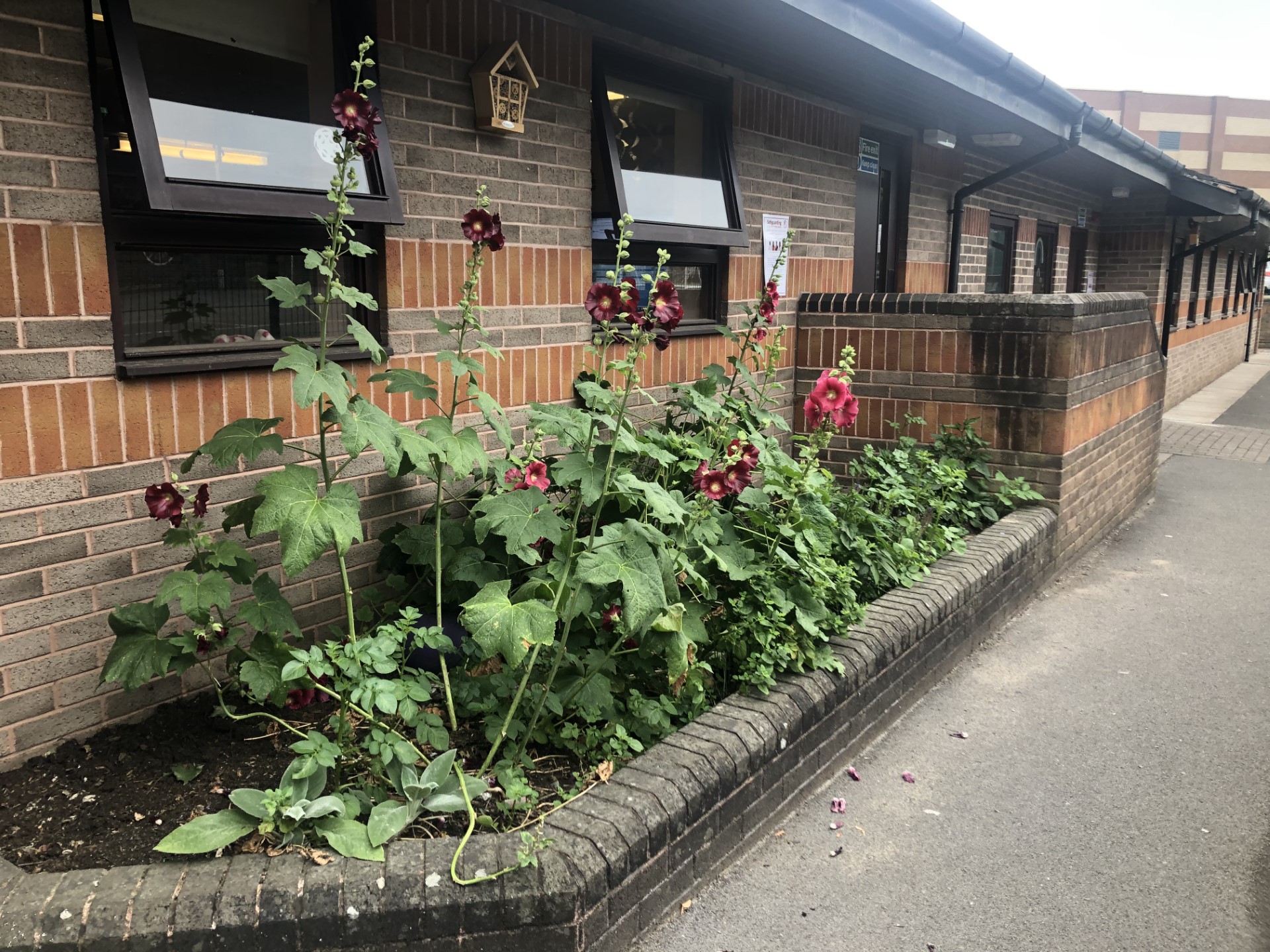
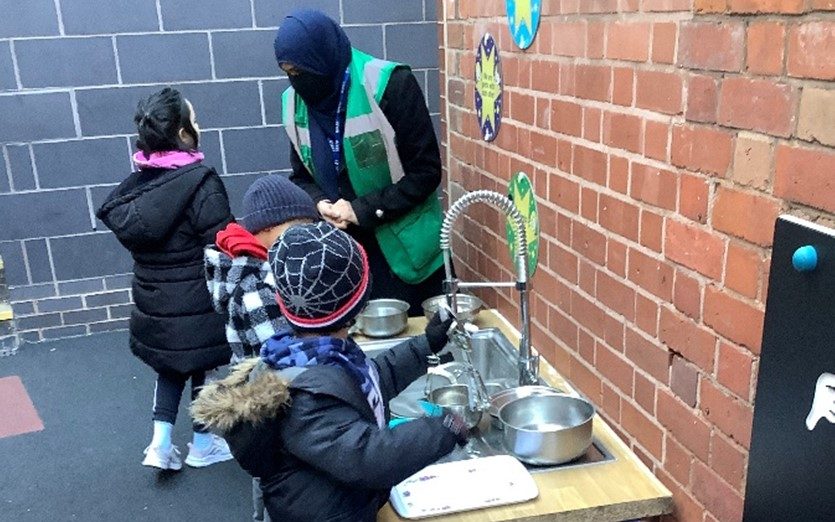
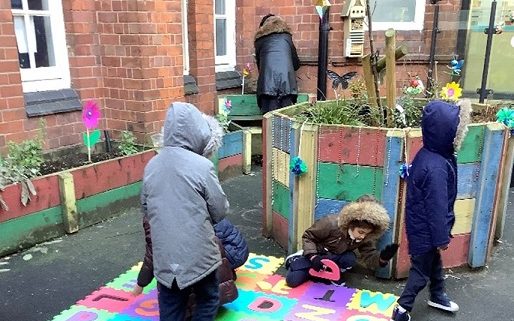
We are also tight on space outdoors. It is a concrete jungle — lots of tarmac which we’re trying to green over, and maybe just small spaces. Parts of the building are also Grade 2 listed so we are limited to what we can do, and even in the playground we have a World War Two bunker under the tarmac which has restricted us from doing certain things in terms of digging, for example. But we do try.

Why is sustainability important to you and your school?

It’s such a big issue for human beings. And communicating it to the younger generation is really important. The children at our school may not be aware of what sustainability or carbon footprints are. It’s important for us as a school to empower our children and help them grow up to be adults who can look after their own environment and the planet.

Have you had any training around sustainability or climate education?

Through the Leicester Eco-Schools network I took part in carbon literacy training, which was invaluable — just making you aware what a carbon footprint is and what we can do to reduce it, and how to pass that information onto staff and the children.

Leicester City Council and their whole sustainability team do a wonderful job in keeping school eco-leads informed about things like the Great Big Green Week, Switch off Fortnight and the Plastic Clever Schools initiatives.

What activities have you undertaken, and what benefits have you seen?

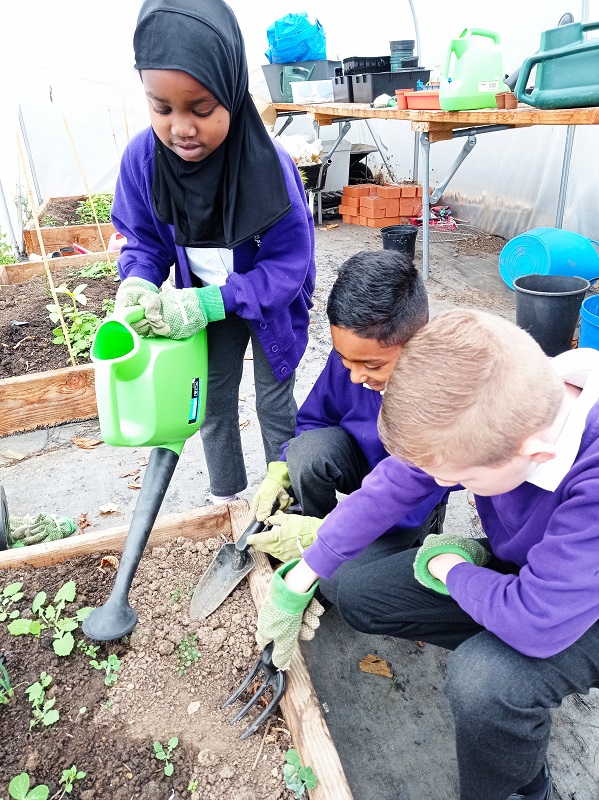
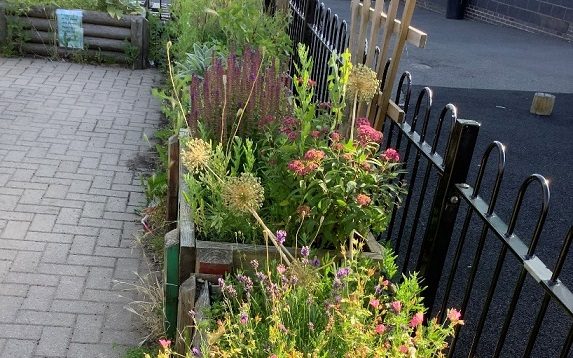
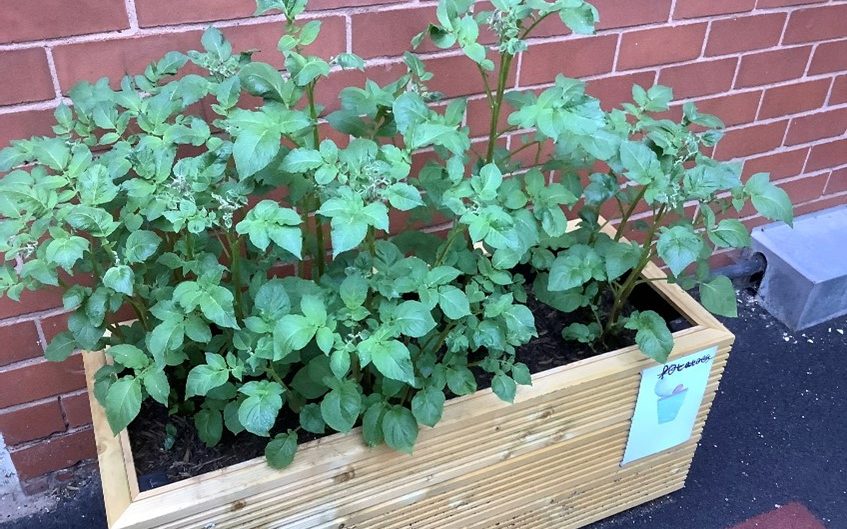
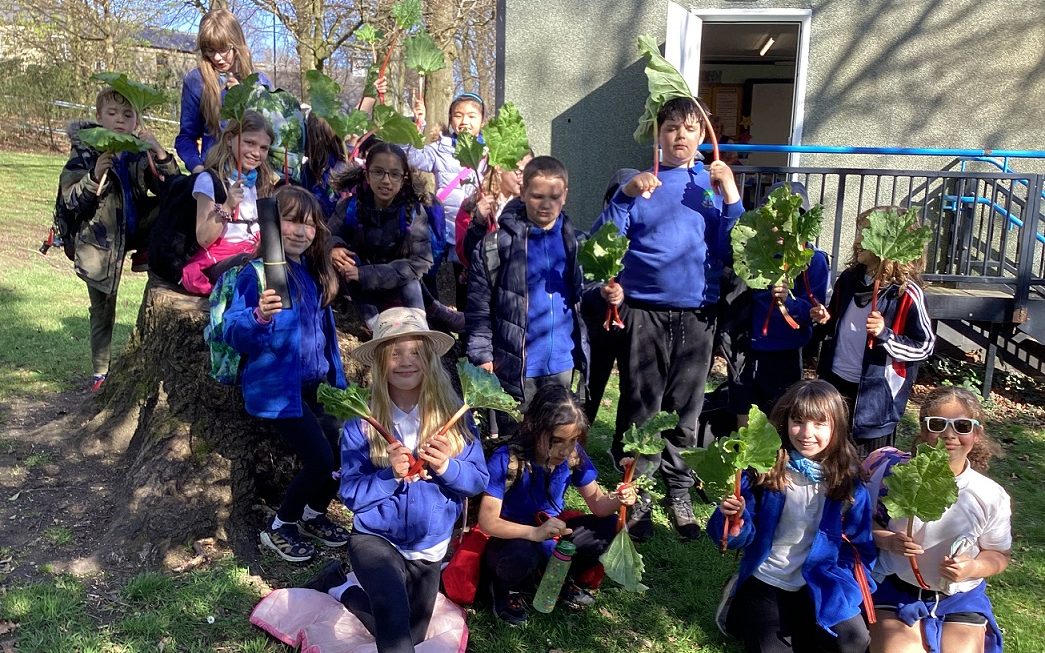
We have a lovely green-fingered staff member who does a gardening club, which the children absolutely love. We maintain things in planters and grow things. That’s out of school hours. 

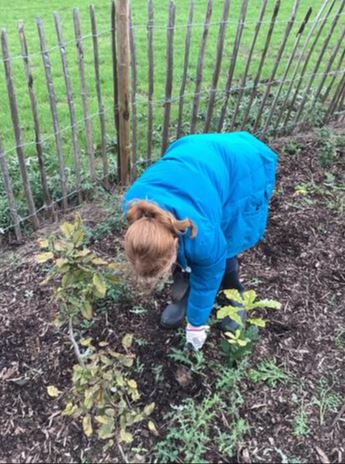
During school hours, we have noticed that children with behavioural issues like to dig, so during play time they will be planting or weeding. We’ve noticed a difference in their behaviour — they’re a lot calmer and happier.

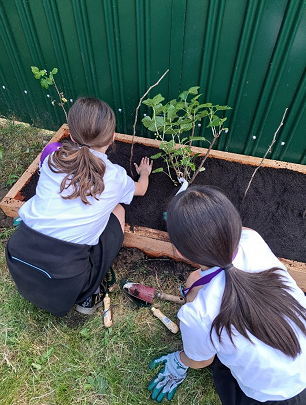
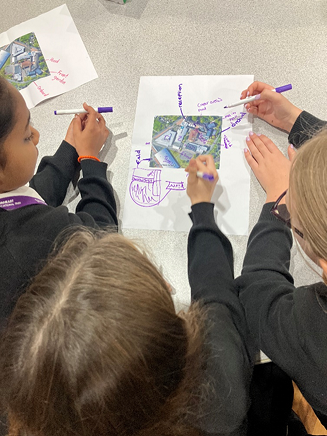
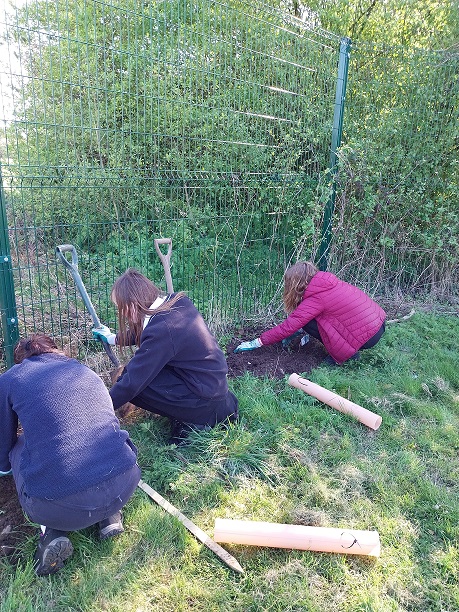
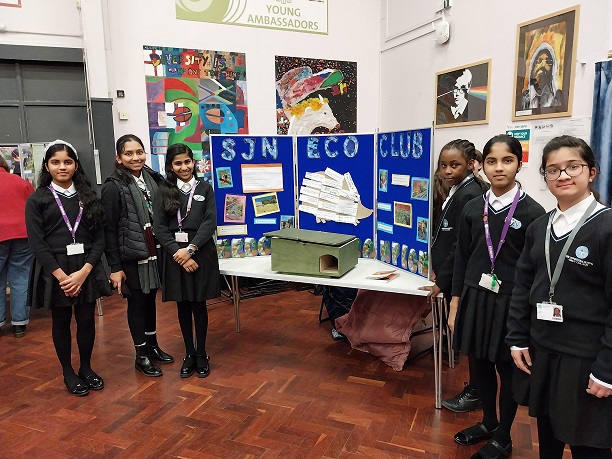
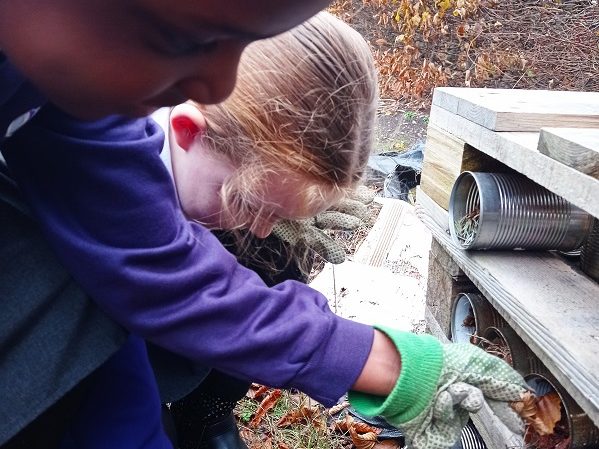
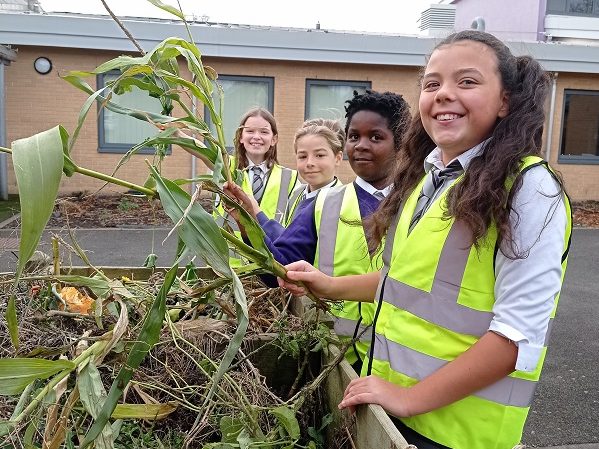
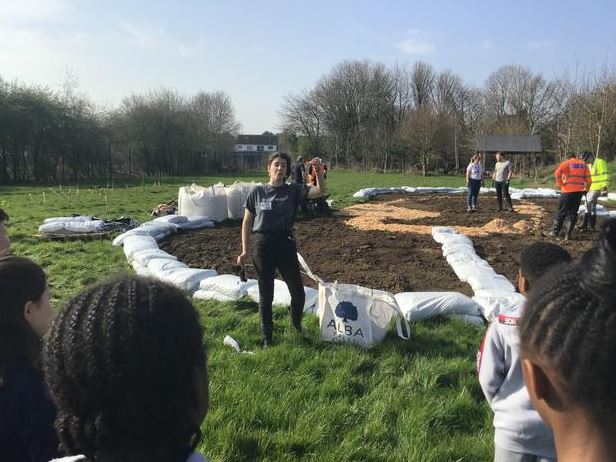
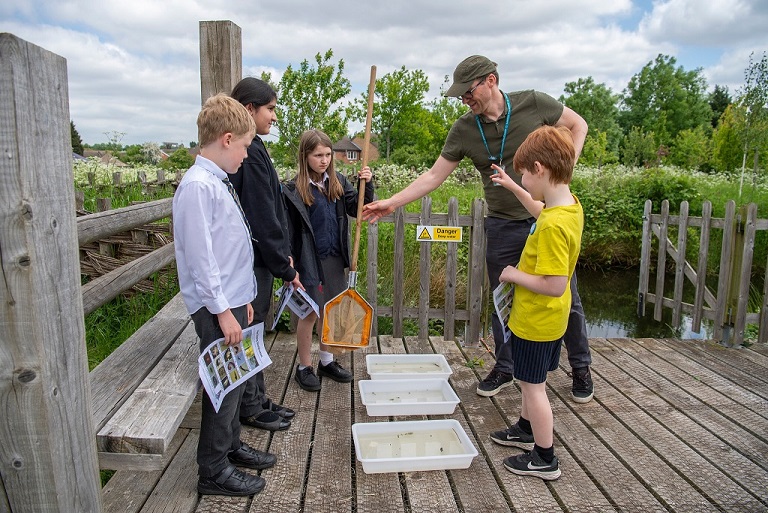
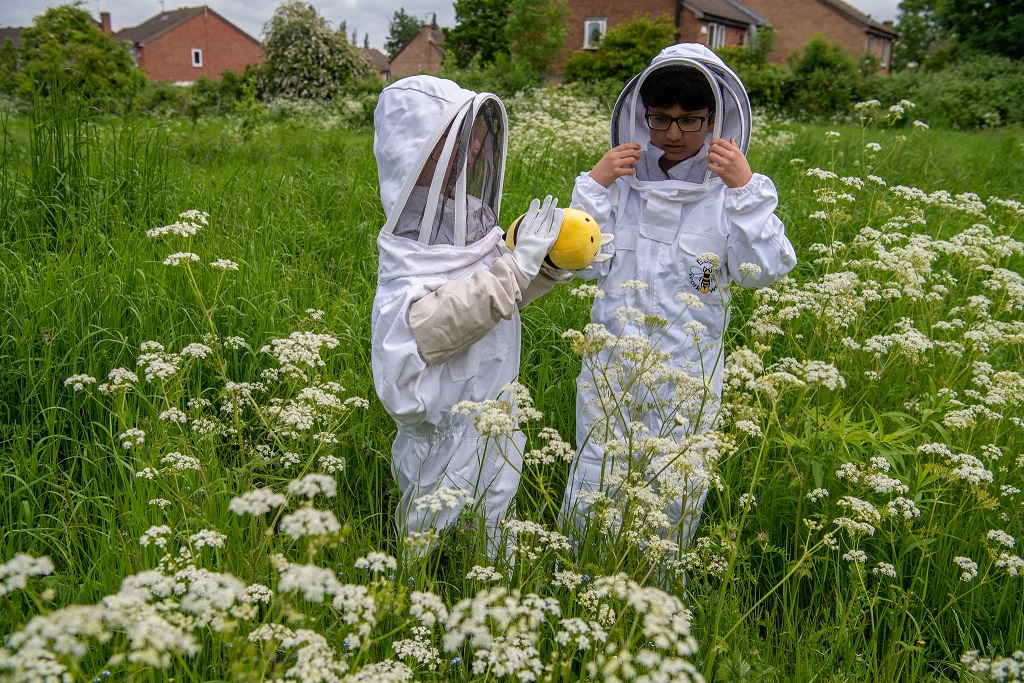
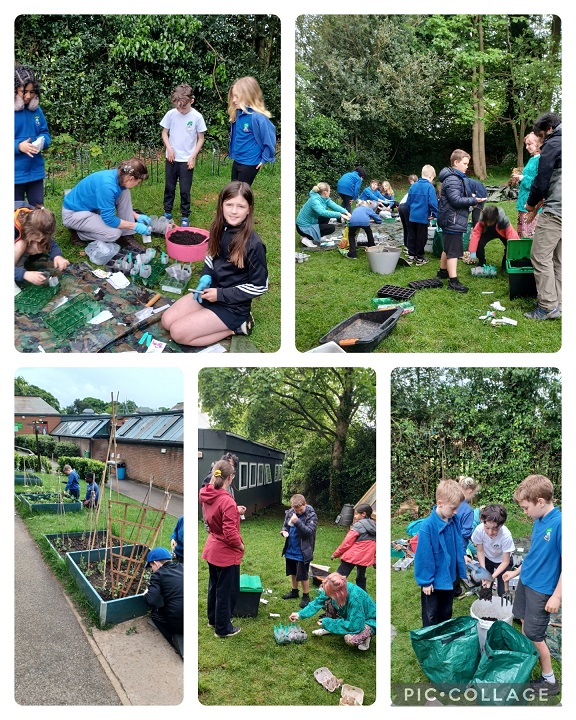
The other thing we’ve been involved in is the Urban Wildlife project. Children from primarily across Key Stage 2 learned about biodiversity. A man from the council visited and encouraged the children to think about how to encourage wildlife in the school grounds. And it’s a hard thing to do, especially in our concrete jungle. But they absolutely loved it.

The project lasted a good five to six months and saw the children planting and growing. They were given a pot of money to spend on equipment. They were monitoring the wildlife in the school grounds and they absolutely loved it. They showcased it often in assemblies so the whole school took part in that.

We are also part of the National Educational Nature Park project. We’ve received funding to green our spaces, and we’ve made links with our local community gardens. It’s very urban here, but there are pockets where green spaces are growing and thriving. It’s really important for our children, especially those who don’t have that space at home, to be part of that and their local environment.

What barriers have you faced?

The biggest barrier is time — cramming it into a packed curriculum and making it meaningful, not just doing it as a one-off. It’s keeping it ticking along throughout the school year and making sure that, year after year, the children are growing up with these issues. We trickle sustainability into the curriculum, especially through geography, science and PSHE.

I’d love to see the children do more events and get out and about more, but costs, time and staffing are the biggest barriers for any school.

How do you overcome these barriers?

I think just going to school leaders and saying that I need time out. They are great and take that on board and give me the staffing and the resources, so that’s a great positive.

For an urban school like ours it’s about saying to staff: we’ve put in place these planters and green spaces, but you need to give this time with a group of children in order to maintain that during the school days.

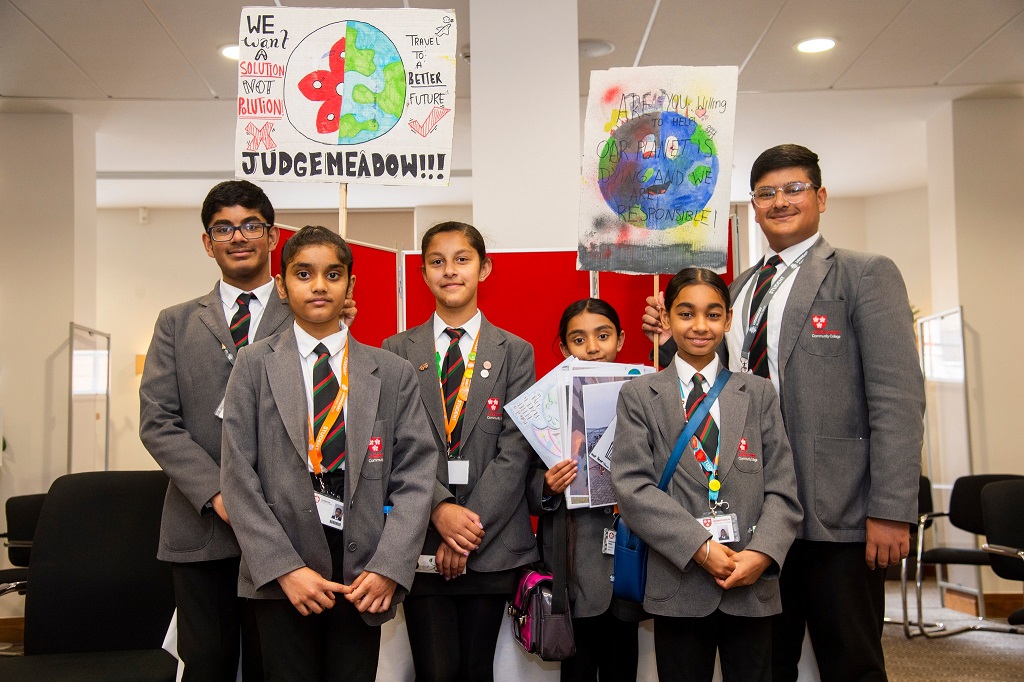
I would say getting the parents and the wider community involved is important. For the Polli:Gen project, we invited the parents of the children involved in the project and we had a great morning out where they took part in discussion and took photographs. I would like to see more of that because it gets the message out to the wider community about what we’re doing.

How do you decide what projects to take part in?

The children are always at the centre of our decision-making. They are at the heart of our action plan. Through the school council and the eco-team they prioritise what we need, what comes first, second and third. The children tell us what’s important to them, and we take it to the leadership team.

How has the local authority supported you?

They have been great. Right from the start they helped me fill out my Eco-School application and got me onto my first Bronze award. The time they spent with me was amazing, and they continue to support me.

At the drop of an email I can speak to the sustainable schools team. They’ve come into school, looking at what we can do to monitor energy use, what software we can use to reduce our energy use, keeping us informed of funding and projects — it’s been really invaluable. We’ve also done projects with the council where we get together with children at local schools to share initiatives.

I’m just a busy school teacher trying to do my job, and I’m thankful for the links we’ve been given and the contacts that have come our way. The sustainability team at the council do a wonderful job.

Do you think your approach would work in other schools?

Yes. Any school, no matter how big or small, can do what we’re doing. We have shown that even with very limited space there are plenty of activities you can do to get the children engaged with their environment and thinking about sustainability.

‘School leaders can see a city-wide network working on sustainability, and they don’t want to be left behind.’

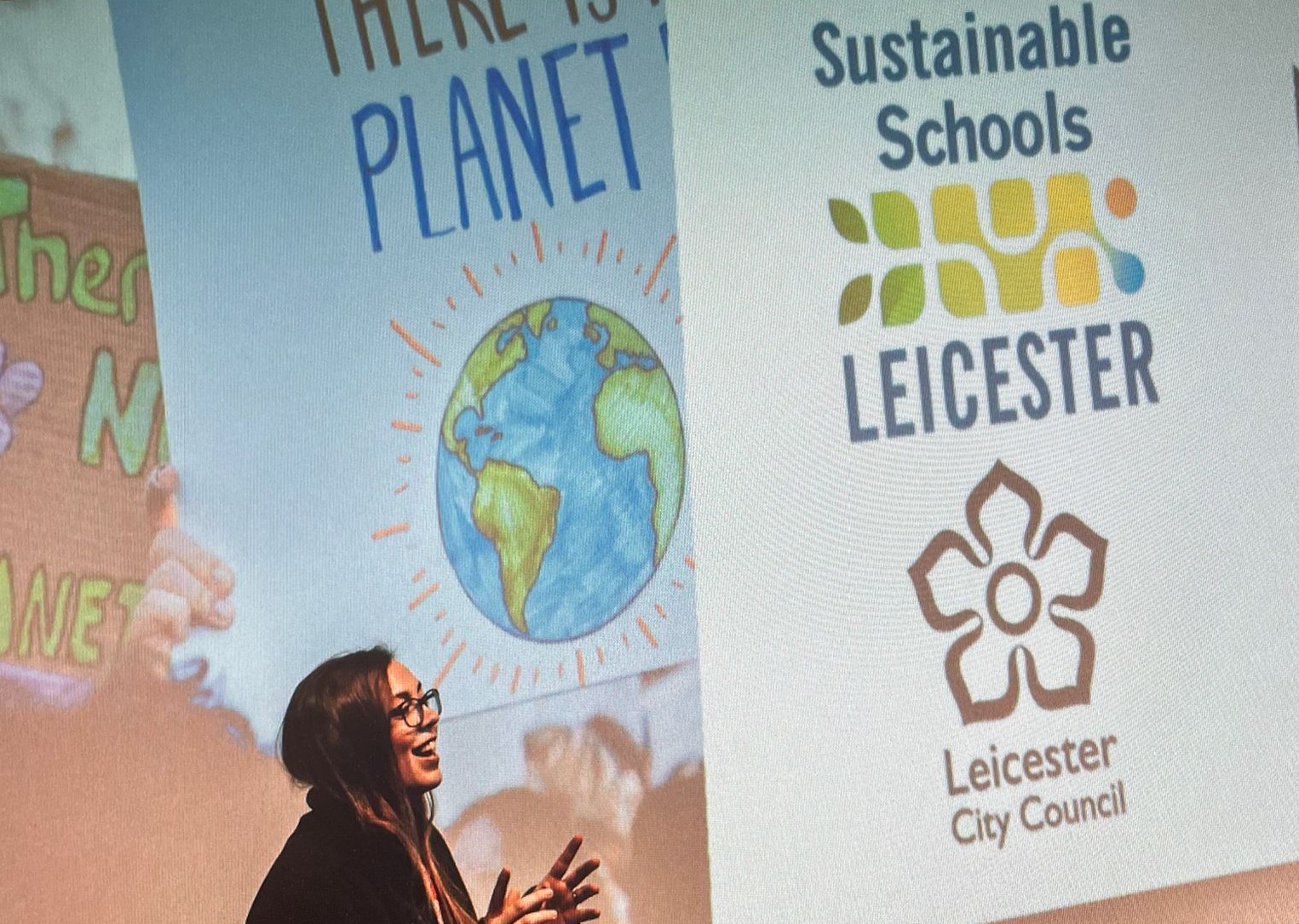
Laura Barke is an Education Officer (Eco-Schools) for Leicester City Council. We talked to her about how she works with schools to help them implement activities around sustainability.

What are the climate-related responsibilities of your role?

My main focus is going into schools across the city and supporting them with their Eco-Schools Green Flag applications. I work with designated members of staff, typically the school’s eco lead, to complete their application.

My team also runs workshops for students and discusses with staff what they want to do and how they want to make a difference. There are about 120 schools in the city, and we work with about 80 of them.

Are there any costs to schools?

Our support relating to the Eco-Schools Green Flag work is free for schools and we offer that support as part of our core offer for schools. However, there is anaccreditation fee for the Green Flag award. . And some of the other projects we run are externally funded, so they don’t have a cost for the schools. There are then additional parts that schools can pay for, like carbon literacy training for their staff.

Why is your work important?

As an ex-teacher, I know the sort of time constraints placed on teachers. A lot of the time staff are really interested in it, but trying to fit it into the timetable is more challenging.

A role like mine is really valuable for schools because they have somebody there to take away some of those pressures. I can support schools in whichever way they want. I can run sessions with the children without into much input from school staff, or equally I can go in and give  the staff a starting point, or talk through some of their ideas.

Senior leaders can see that we’ve got a real network of schools across Leicester and they can see that there’s lots of staff working on this, so they value it more and they don’t want to be one of the schools that is left behind. They can see that 60 schools in the city have got the Green Flag, and they don’t want to be one of the ones who don’t.

What projects and activities have the council undertaken to enhance climate change education?

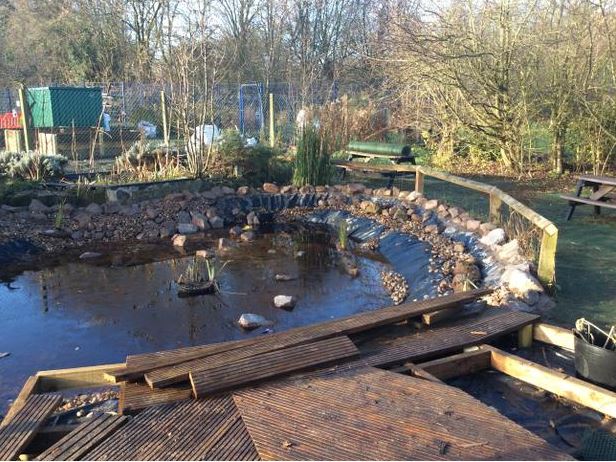
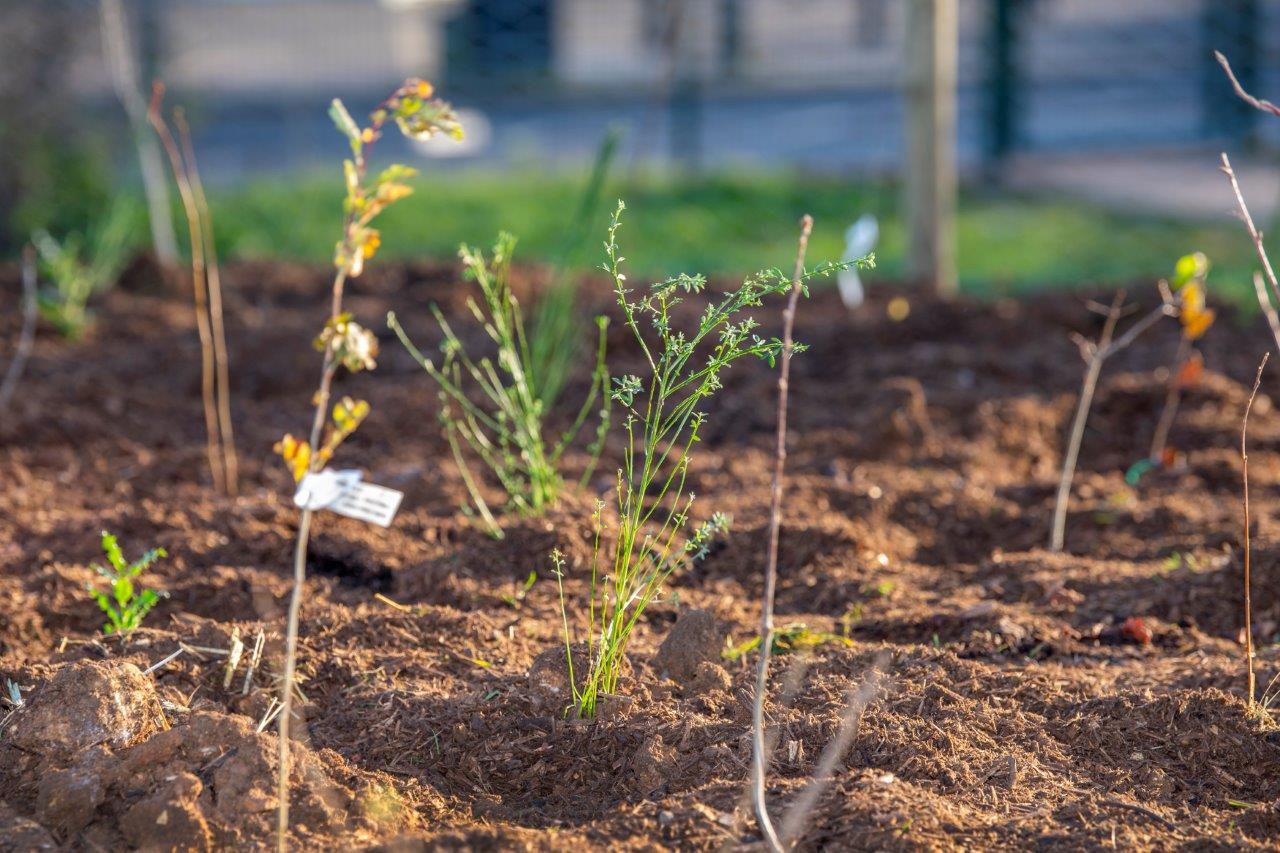
We’ve been working with classes of children teaching them about carbon literacy. We’ve also done a lot of work recently on outdoor education in nature. We’ve worked with the World Wide Fund for Nature (WWF) for a couple of years now, and in the most recent year we have been improving school grounds — planting hedgerows, adding or improving ponds, introducing nesting boxes and creating hedgehog-friendly spaces.

Alongside the physical work on school grounds, we run education sessions afterwards with the students, so they’re involved in things like the hedge-planting. Then we’re doing further follow-up sessions, getting them to understand why we’ve done it and how nature is important.

Tell us about your work with Eco-Schools.

We have an offer open to all schools. They can contact us and we will do whatever it is that they want to support them with their application.

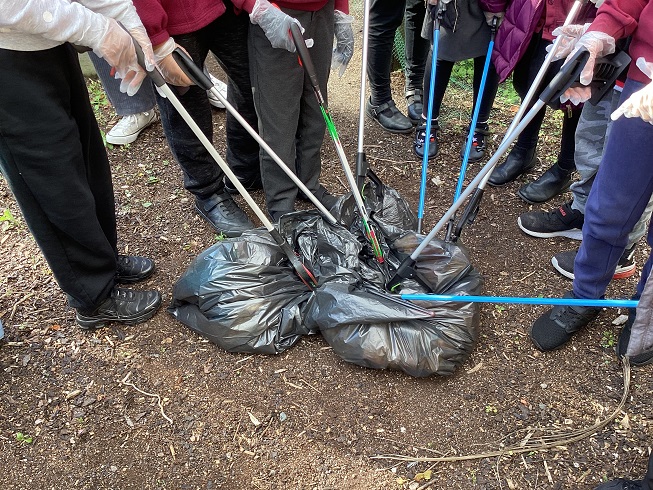
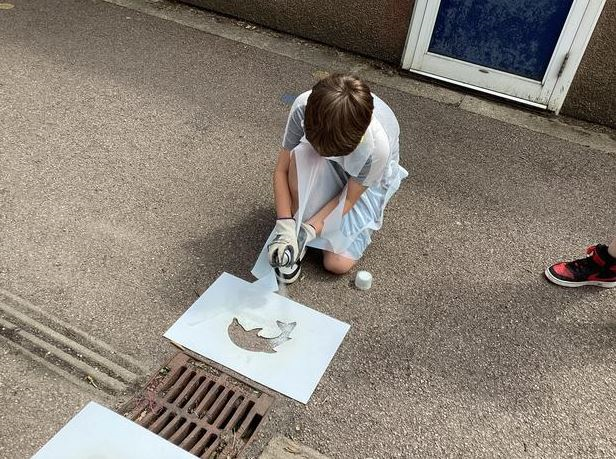
We run training three times a year for school staff where we talk them through the process and provide ideas for what they can be doing to work on the project, and we also run projects throughout the year that specifically fit within some of the topics of Eco-Schools. This year we’re running a litter project, and we’ve also done the Grow Your Own Grub scheme.

What’s that?

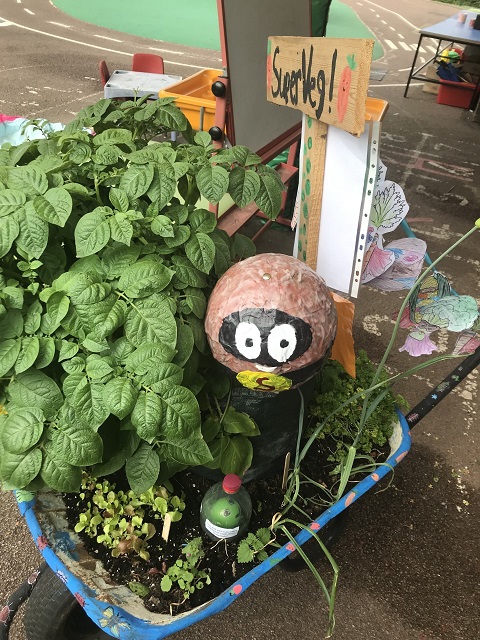
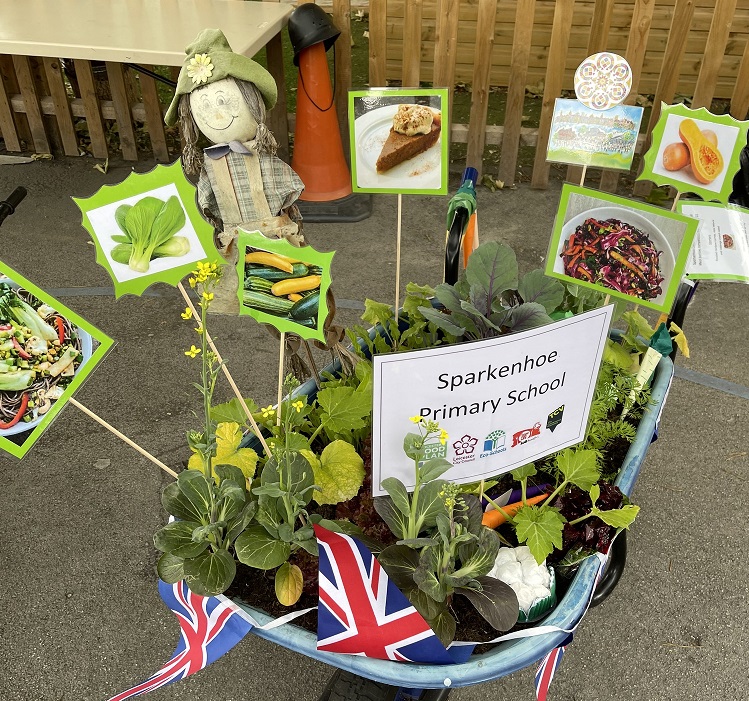
Grow Your Own Grub has been going for multiple years now. It’s open to all schools across the city and the idea is to get schools growing their own food. This is run alongside the public health team. So this year we’ve got the ‘mealbarrow’ competition, where schools are tasked with growing at least five different fruits and vegetables in a wheelbarrow. Then they must plan and design a three-course menu using the items they’ve grown. At the end we bring all of the wheelbarrows together from across the city in a celebration event where members of the public can come and see the work.

It’s suitable for any school, because even if they are one of the more urban or concrete type schools they’re going to have enough space to put a wheelbarrow in.

Schools usually have to pay for the Green Flag award. Does the council offer any financial support towards this?

We do look to subsidise the Green Flag application. Normally it’s £200 for a school to pay, which may be off-putting to many schools because it’s quite a significant cost. It’s entirely worth it, but trying to get that through could be challenging for some schools.

As a council, we look for different sponsorship opportunities and use support from

our social value programme. So last year, schools had to pay £50 for their

application rather than the full £200.

How do you choose what projects to undertake?

I think it’s a combination of reasons. A lot of it is to do with the funding that’s available. But we also look to put on projects that fit within the Green Flag work in particular, helping schools with that overall aim.

It’s also slightly based on the skills within our team — we’re more experienced with outdoor learning, so that drives some of the project proposals like the work with WWF. And often the work fits with different priorities in the wider council, from biodiversity to the climate emergency action plan.

What benefits have you seen from these projects for pupils, staff and parents?

When we work with students, 90% of the time they really enjoy it. Having someone new come in is exciting and increases engagement. For staff, it gives them the opportunity to do work they want to do but may struggle based on the different pressures of timetables and teaching time.

We often get really positive feedback from schools after a project to say that students have enjoyed it or the schools have seen really positive outcomes.

What barriers have you faced?

Definitely timetabling is a huge barrier. Often our contacts are really keen to get us in, but getting that designated time signed off by senior leaders can be challenging. Having space in the school can also be challenging. We are very flexible and happy to work in any space, but a lot of the time schools don’t have anywhere at all.

How have you overcome these barriers?

By sharing the value of the projects and making it really clear to the schools what they’re getting out of it and why it’s so important. That can be shared at different levels in the school, so everyone is on board and everyone knows this is something that they need to make accommodations for.

We also remind schools it’s free. And as a team, we make sure that we’re flexible, working with the school to fit around their timetables and the spaces that they have.

How do you ensure activities continue once your projects end?

Ultimately we rely on schools to take it on and maintain it, but it depends on the staff that are there. As a team, we’re pushing for follow-up funding and future-proofing. For example, we try to make sure that schools have multiple members of staff trained so if somebody leaves there are still people there to take over.

But I think one of the biggest things is having buy-in from senior leaders. This has a trickle-down effect, and they can then make sure that there’s multiple members of staff working on it throughout the school. If senior leaders are on board from the beginning, they can see the benefits to the work that we’ve done.

Do you think your approach would work elsewhere?

I think it’s definitely replicable across authorities, if you have buy-in from relevant people to make sure that your team is supported to build those connections with schools. It’s not the sort of thing that can just happen in a year — it’s an ongoing process.

The climate change and sustainability strategy is still optional. Is that a problem?

It depends on the viewpoint of the school. Some schools will use that as an excuse to not be involved. But equally, some staff understand the value of having a written strategy on climate change.

For me it would definitely make our work easier if it was mandatory because we could go to the 40 schools in Leicester that we’ve not got strong connections with. Ultimately our goal is to work with all schools in the city. But I don’t think it would be fair to make it mandatory without offering suitable support to schools.

‘You have to dedicate time to sustainability. Decide what you want to achieve and stick to it.’

Kevin Elliott is the business manager for Meadowhead School in Sheffield. We talked to him about how he’s implementing sustainability into the school structure.

Can you give us some background on your school?

We’re a secondary school with a sixth form college, based in south Sheffield. It’s a mixed urban area, with half of the feeders from wealthy areas and half from probably some of the most deprived areas in the UK. We have over 1,900 students, 36% of which are pupil premium.

We’re also a PFI [Private Finance Initiative] school, so we ultimately hire the school’s facilities — we’re not responsible for them, which affects a lot of things that come with a sustainability plan, especially around grounds maintenance.

What climate-related responsibilities do you have?

I’m tasked by the governing body to monitor sustainability and to try and implement it into the school structure.

We wrote a sustainability policy for the school, and then we developed an action plan, and the action plan is run by an eco-group. The eco-group is run as an after-school club by two teachers from geography. They developed the action plan with the students and the students now work through it to see what we can do to become more sustainable. My role is to oversee that.

How did you develop your sustainability policy?

I was asked by the governors to develop a sustainability policy. I’d been to a South Yorkshire business leaders meeting, and they had someone there who was talking about sustainability in schools, and I took back a lot of what he was saying. We also bought a book about sustainability in the school place, and that helped us develop the policy and the action plan.

Why is sustainability important to your school?

I think sustainability is just becoming more and more prevalent in the daily life of everybody, and we thought we should get on board now rather than later.

I know a lot of secondary schools are not getting on board with it. I often go to sustainability meetings and there are no secondary schools there, they’re all primary. I don’t know if it’s because the children are older and they don’t want to be digging or messing in gardens. But we’ve got a group of eco kids that want to improve the area and want to improve society. All we can do is do the best we can for the school.

Have you had any sustainability training?

I’ve never had any training. It’s just been from attending events like the ones run by the local universities. And I’ve been in touch with local eco groups like Wild Sheffield.

What are some of the activities you have undertaken at your school?

We’ve built a forest school, and we’ve put in a huge outdoor classroom. We are growing our own vegetables, and we want some bees up there. The kids are asking for chickens too. They want an urban farm.

Our action plan covers lots of different areas. The eco group presents ideas to us and I take them to the governing body. We’ve got biodiversity, so the team has recently made a load of bird feeders in ADT woodwork. They’re now talking about building a pond.

We’re looking at getting better lighting with automatic turn-off, and we have energy-saving weeks where we have campaigns to encourage students to think about turning computers off.

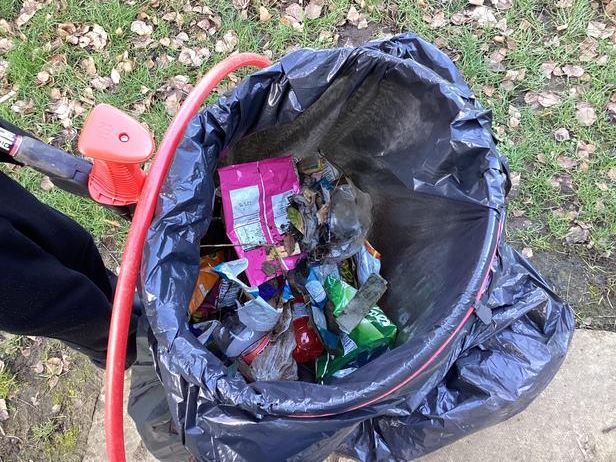
We use the outdoor classroom and fundraising to support the local community. We work with the catering company around Fairtrade products and reducing food waste. We’ve done litter picks and we encourage everybody to learn about what bins to use. We’re rewilding the school grounds, for example with nature hotels.

For staff, we encourage the cycle to work scheme, and we’re reducing paper by banning printing things out for meetings. And we managed to get grants to install four charging points in the car park, which has encouraged a number of staff to get electric cars.

I’m really proud of what we’ve achieved in such a short timescale.

What benefits have you seen from these projects?

The charging points have been really useful because I’ve seen people charge their cars and that does provide us with an income. The litter picking obviously makes a difference. You can see it when it’s done.

We’ve seen big benefits from the forest area we’ve developed. We’ve just started running Forest School again for some of our SEND students who are really struggling. The outdoor classroom is a great help to them.

What barriers have you faced?

The PFI is a barrier because we can’t always do what we want to do. For anything to do with the grounds, we can’t just go and implement changes. We have to work with the PFI provider Kier, and there’s a lot of planning that has to go into it. For example, we just built some new steps to the outdoor classroom and it’s taken us a good six months to get them agreed.

One thing we’ve been working on for a couple of years is the traffic outside of school and trying to get some zebra crossings to slow the traffic down and remove some of the traffic. We’ve been working with the council for about two years now and hopefully a new traffic reduction scheme will be installed this summer.

How do you overcome these barriers?

Working with people. We work with Kier, we work with the council, we work with all parties to try and get the best outcomes for the students, for the school and the community.

I’ve also been working with a couple of primary schools in Sheffield. One of the barriers is that there’s hardly any secondary schools doing it. I’d love to link up with a secondary school that’s doing similar things, to share best practices and ideas really.

What projects have worked best?

The forest schools worked really well because of the people that have been involved. We were lucky to get some professional training on outdoor learning. And the teaching assistants were keen to be involved in it and they’ve now taken it on as their project.

The electric charging units have worked well because I’ve got staff that were travelling quite a long way in an electric car and panicking about getting home. But now they don’t need to worry because they can charge the cars while they’re teaching.

From a staff wellbeing point of view, I bought a proper coffee machine for the staff room, and now we’re using the leftover coffee grinds in compost for our vegetable growing and some of the kids are making candles from them too.

Do you think your approach would work in other schools?

I think it would. You’ve got to have somebody that will give some time to it, to attend meetings, create an eco-group, come up with an action plan. In the very busy environment that the schools are, sometimes it just doesn’t get thought about, but I don’t see why you couldn’t replicate it in most schools, because it is becoming more and more prevalent. But you have to dedicate time to it.

You have to pick and choose what you want to achieve, and then when you’ve achieved that, pick another thing and try and achieve that — rather than trying to spin all these plates and achieving nothing. I think that’s been our biggest learning.

‘When you make it part of the curriculum it becomes truly embedded in the school.’

Stephanie Holden is a Year 6 teacher and Eco-Schools lead at Lydgate Junior School in Sheffield. We talked to her about how she is introducing and embedding climate and sustainability education at her school.

Can you give some background on your school?

We’re a junior school, so year 3 upwards. We have about 480 pupils, 120 a year. I guess it’s a fairly affluent area, but we do have a very high number of EAL [English as an additional language] children as well.

We have two school yards and then we’ve got a Forest Schools area. And we do have quite a bit of green space dotted around, where we do gardening — we’ve planted apple trees and plum trees.

How did your interest in teaching more about climate change and sustainability begin?

We’re a Rights Respecting School [part of a UNICEF scheme]. Part of that is getting the children to be global citizens. When we started working towards gold accreditation I realised that we weren’t really doing enough about climate change and the environment. So I started the Eco Club.

Why do you see climate education as important?

I think it’s twofold, really. It’s personal, but it’s also the children. There are a lot of children that are interested in climate education, and I felt like we weren’t doing enough as a school, so that was my drive for doing more.

I’m not trained in any way in climate education: I am learning with the children. We’re trying to increase the children’s understanding but also our understanding as adults as well.

What kind of training would be useful to you?

I guess the science behind everything. Although on the surface I understand it, it’s putting all the pieces together. It’s not just physical resources, it’s about getting the people to lead us. After all, we’re not experts in environmental science, we are primary teachers.

Tell us about the Eco Club that you set up.

It’s been running for three years. We opened it up to any child in years 4, 5 and 6 and they became part of the committee. It’s an afterschool club as opposed to in the school day, so the idea is that they’re ambassadors for the school, but they’ve chosen to come along to the club.

We started by becoming an Eco-School, so we followed their seven-step plan and got that last year. The three main areas covered were biodiversity, waste and energy. The children have done assemblies to spread the word across the school.

On top of that, I introduced the new role of eco-lead to our school council. We meet every two to three weeks, and they bring up any eco issues as part of that.

Do you include Forest Schools in your curriculum?

Some year groups are receiving Forest School lessons by a trained Forest School person. Our year group currently isn’t at the moment, but we’ll take them in the woods and we do things related to the curriculum. We try to get in the woods as often as possible, but realistically it’s probably twice every half term.

How do you choose what climate and sustainability activities to do?

I think it’s about having more of an understanding of being a global citizen, and preparing them for the future. I enjoy seeing the children get excited about being outside. Last week at Eco Club the kids all wanted to come outside so we spent 45 minutes raking up leaves, and they had a great time doing it. Sometimes, you just have to go with the children and their interests.

Some of the children come in with ideas about what we could do in Eco Club. They’re at the stage where they’re really inquisitive and interested, and actually what’s great is that they’re also teaching us as adults.

We’ve had a focus on waste, we’ve run bring-and-buy sales at Christmas, and then we had a massive influx of apples and plums that we’d planted a couple of years ago and we sold those at the school gates. It’s about trying to spread the word amongst the adults through our actions.

Have you found any barriers that have stopped you from doing what you want in school?

The main thing is time and also communication, because it’s quite a big school. Sometimes, with everything else going on in the school, the eco side of things can get pushed to one side and other things take priority, like curriculums and Year 6 SATS.

Everyone sees it as important, but when you juggle so many things as a school it can be hard to make it a priority.

How can you overcome these barriers?

I think when you make it part of the curriculum then it becomes truly embedded in the school. For example, in year four they do the Amazon rainforest and they talk about deforestation. And in year five they do a whole project on water, and as part of that they learn how some people don’t have access to clean water and how that links to the environment.

As part of our Rights Respecting School, we always have a summer campaign, and we’ve done things like reducing traffic around the school, using less plastic, and raising money for endangered animals.

Making it part of what we do means it’s not an add-on. It’s the world’s largest lesson, because it’s embedding things in what we already do as a school.

How do you ensure that it is embedded across the school?

We work as a team and we share ideas, so it’s not down to one person. All staff are part of being a Rights Respecting School, so it’s their responsibility to make sure that children’s rights are being met — and they’ve got to understand what that means.

We’re taking it slowly because we don’t want our sustainability not to be sustainable. We’re not trying to introduce too many things at once. I think that slow progress is probably better than trying to do everything at once and then failing. I do think it’s a whole staff approach, particularly teaching staff.

Do you think the approaches that you’ve used in school would work in all schools?

I think a lot of things we do would work at any school, particularly if they’re a Rights Respecting School because they can link it very much to that ethos. In terms of things that we’ve done like selling second-hand stuff, any school could do that.

Why do you think your climate projects have been successful?

I think when everybody gets behind something, it’s successful. When we do campaigns as a whole school, we all push for it and it can be quite exciting — one of our campaigns on plastics ended up being in the local news.
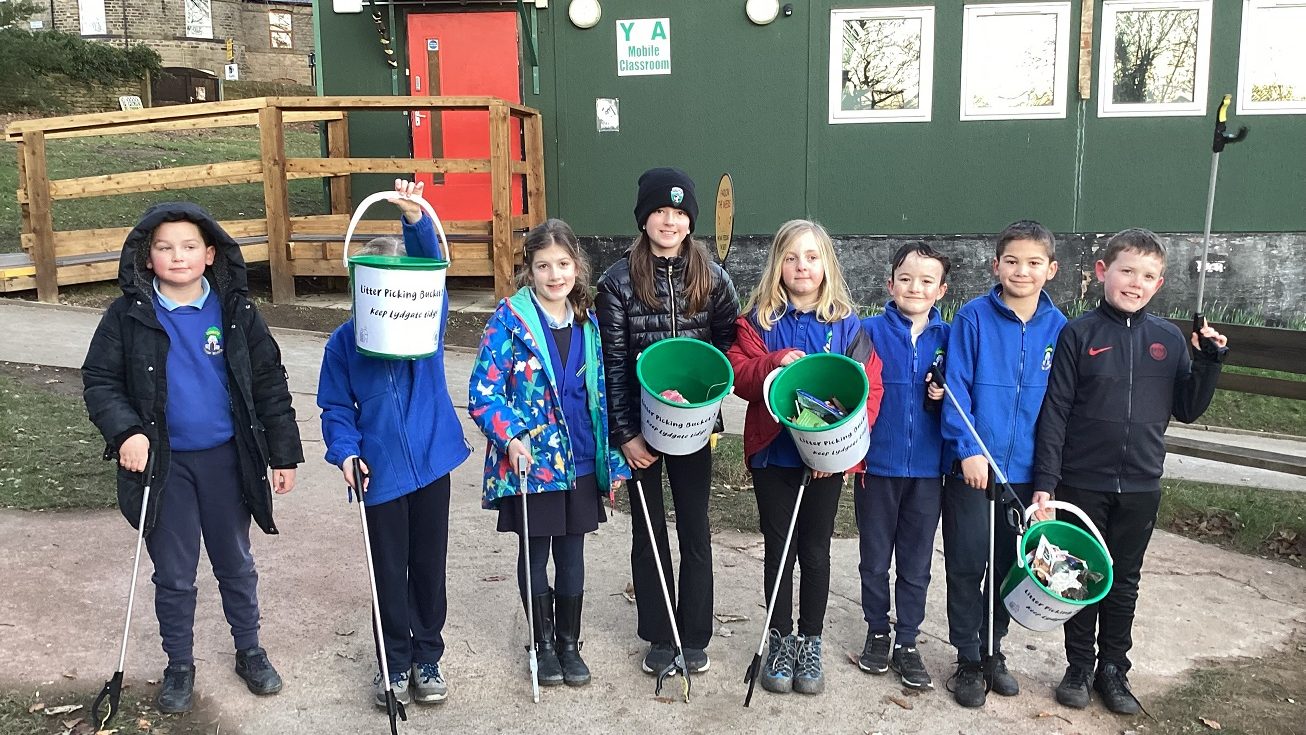
In terms of gardening at school and things like biodiversity, you can see that the children just love it. And I think the fact that they love it makes it work. Seeing things grow, digging up potatoes, tomatoes and all those sorts of things — they just get a lot out of it themselves, and that’s lovely to see.

Carbon Literacy

Carbon Literacy is an awareness of the carbon dioxide costs and impacts of everyday activities, and the ability and motivation to reduce emissions, on an individual, community and organisational basis.

The course is the equivalent of one days learning and is best delivered face to face, but can be done over half days or one full day.

At Sheffield Hallam we are using a teacher and governor course, and student course to help individuals to understand their carbon footprint and take action on climate change in an education setting context.

For more information or find out when the course will be launched for teachers and governors please see below

To find out what staff and students think about the course please take a look at these YouTube videos.

For more information please email Lee Jowett, L.Jowett@shu.ac.uk