
Climate Leaders’ Conference – Sheffield Hallam University, March 2025

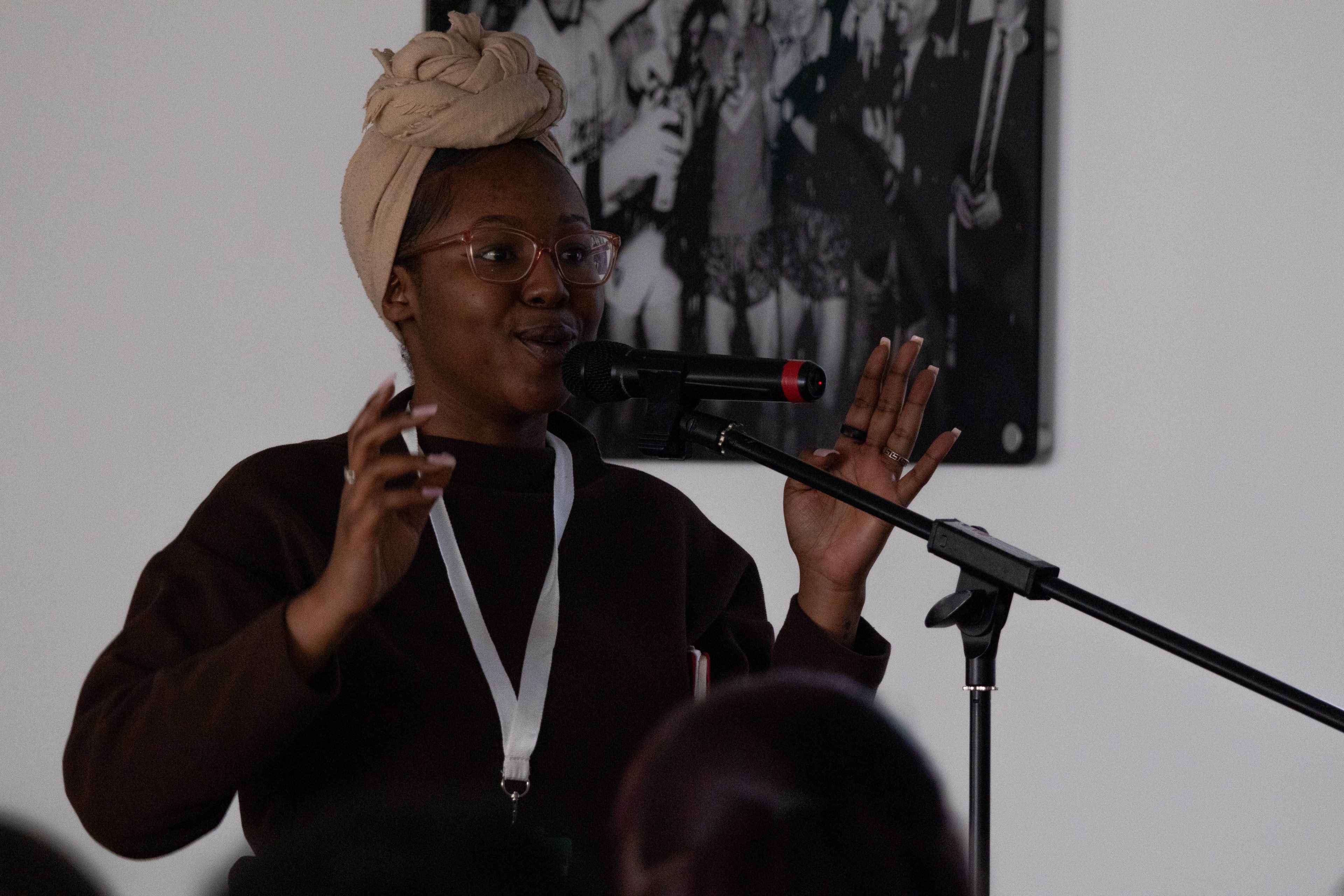
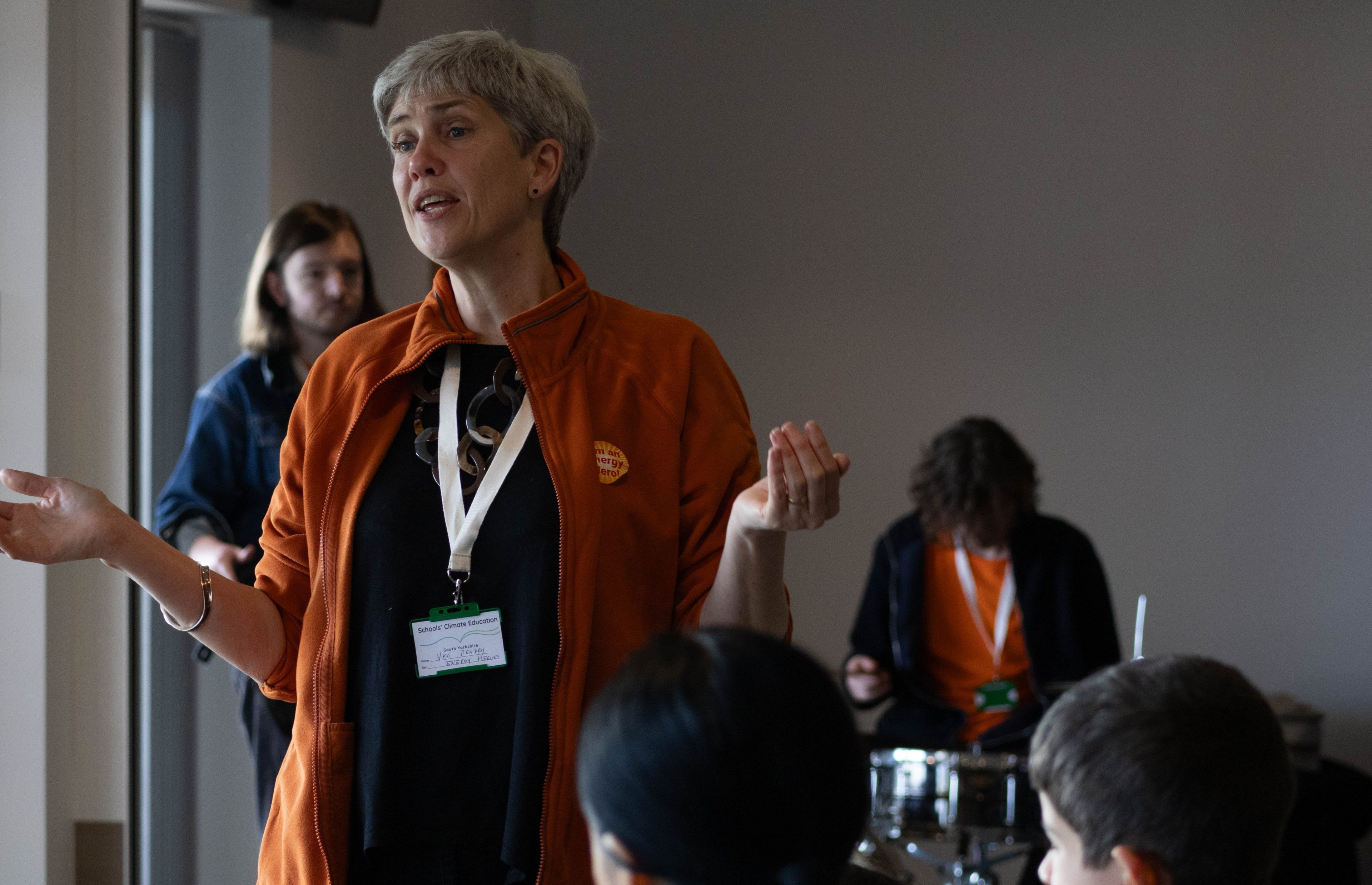
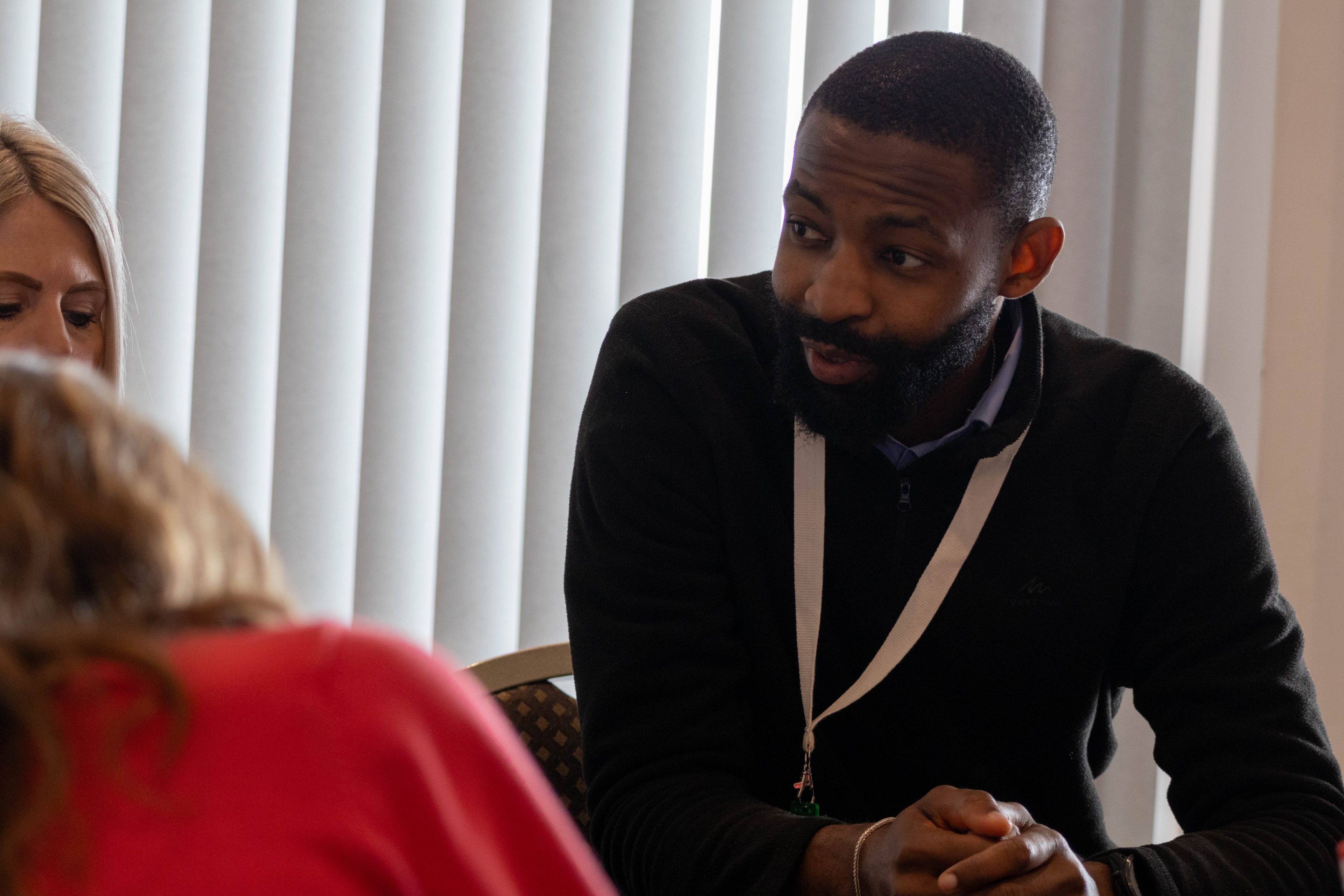
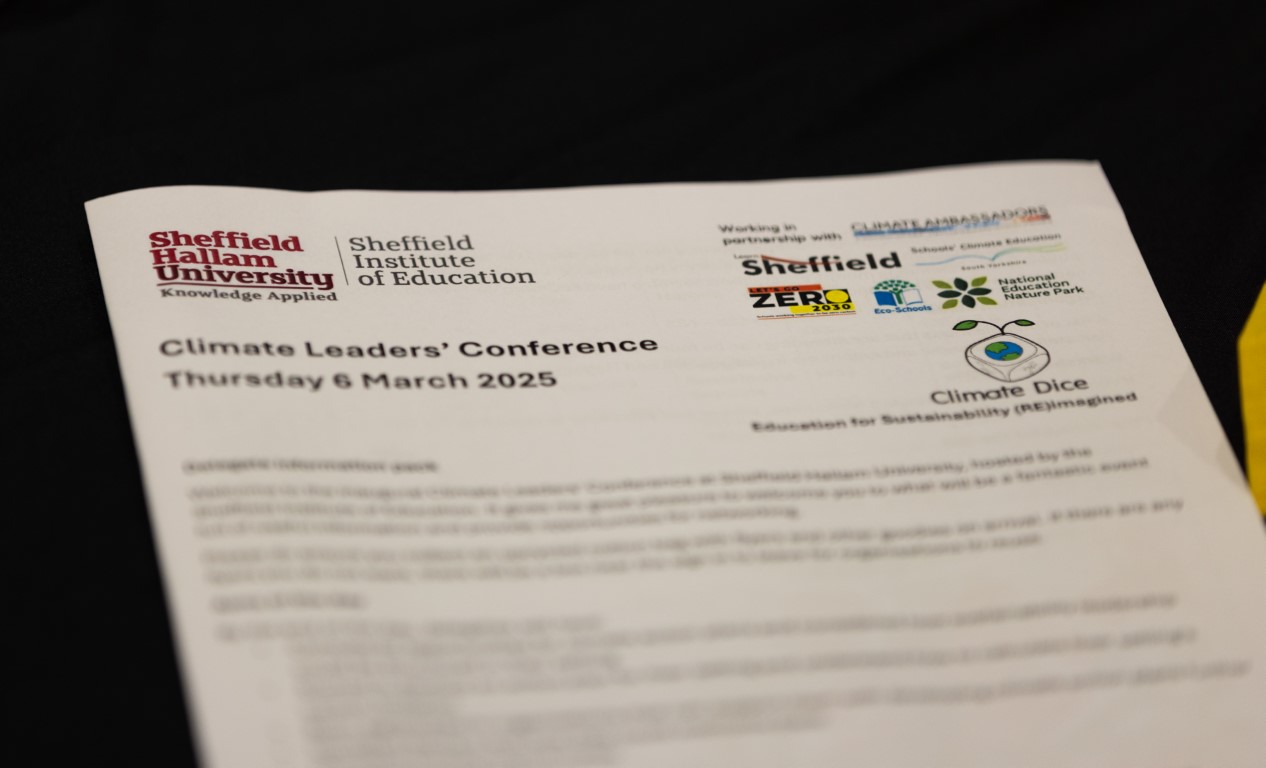
The Climate Leaders’ Conference was a free, one-day professional learning event held on Thursday 6 March 2025 at Sheffield Hallam University’s City Campus. It was organised by the Institute of Education as part of its work with the Climate Action in South Yorkshire Schools and Education Settings network. The conference was fully funded by Sheffield Hallam University and aimed to support leaders across education settings to take meaningful action on climate change, sustainability and biodiversity.

The programme included keynote presentations from senior school and trust leaders, workshops from a range of national and regional partners (including Eco-Schools England, National Education Nature Park, Climate Ambassadors and academic researchers), and practical sessions on developing Climate Action Plans.
Anticipated Outcomes

Before the event, we framed several key intended outcomes for participants. By the end of the day, attendees were expected to have:

Explored opportunities for developing climate action plans and leadership structures within their settings.

Begun creating or refining a Climate Action Plan, including techniques for calculating carbon footprints.

Been signposted to organisations and programmes that can support ongoing climate and sustainability work.

Identified potential barriers to climate action and strategies to overcome them.

Recognised sources of funding and external support.

These goals aligned with national ambitions in the 2021 Department for Education Climate Change and Sustainability Strategy, which calls for every education setting to nominate a sustainability lead and have a climate action plan in place by the end of 2025.
Who Attended

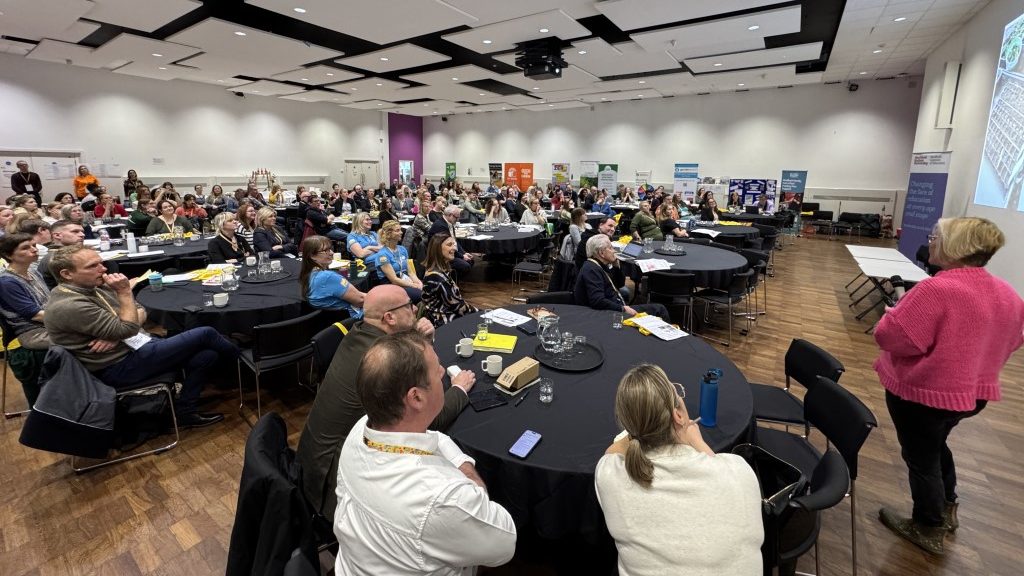
The conference brought together over 150 education professionals from across the UK, including leaders from:

  • Early years settings, primary and secondary schools
  • Colleges and further education
  • Universities
  • Local authorities
  • Charities and intermediary organisations supporting education settings

Participants included trustees, governors, CEOs, heads, deputy heads, curriculum leaders, business managers, and eco-leads – with a strong emphasis on pairing eco-leads with senior leaders to maximise impact.

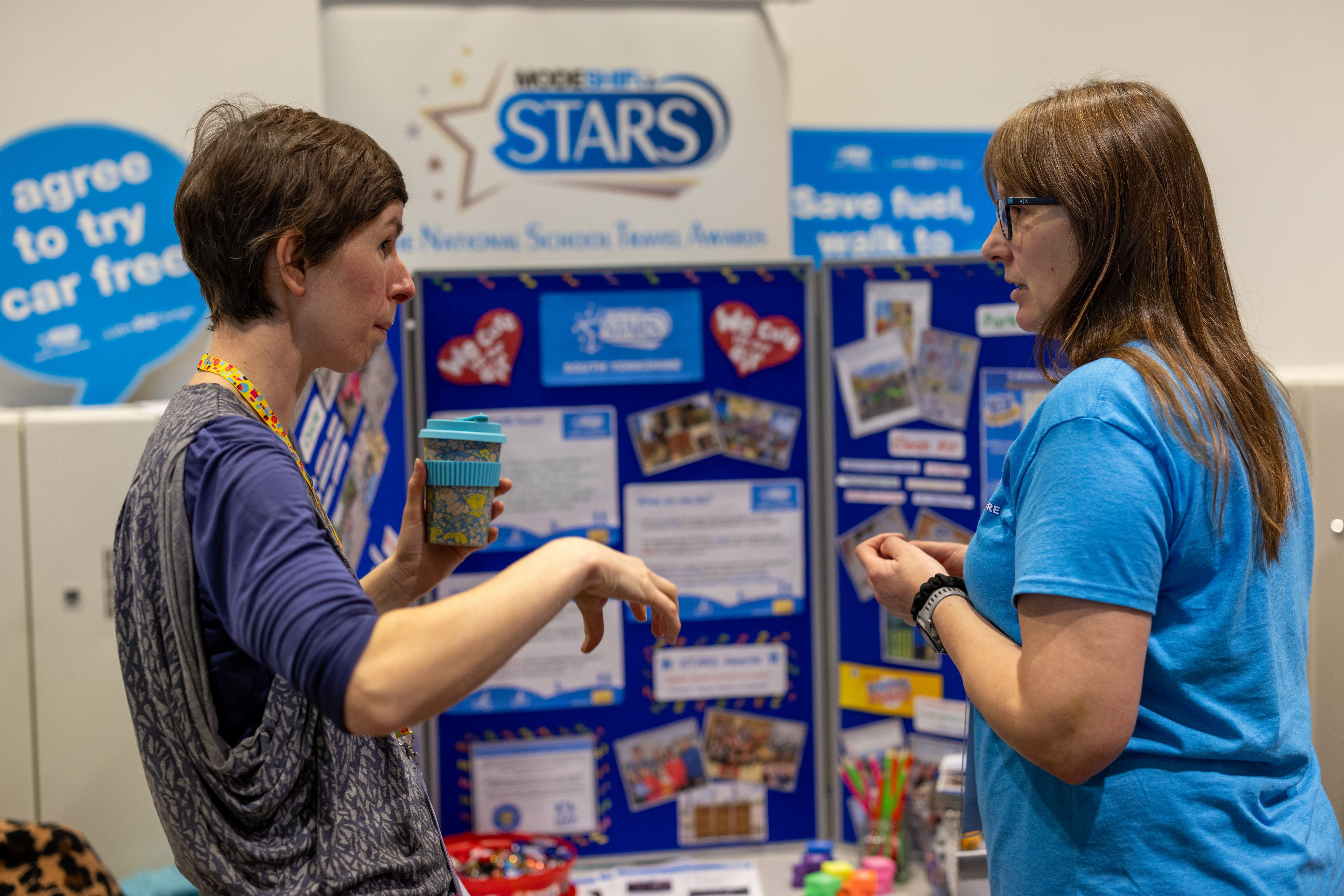
The day also featured contributions from a wide range of sector partners through workshop sessions and stalls, such as Carbon Literacy Project, Global Action Plan, Energy Sparks, Solar for Schools, Eco-Schools Carbon Calculator and more, enabling broad access to tools, resources and collaborative networks.
Evaluation

A longitudinal evaluation report of the conference was compiled, tracking the sustained impact of the event at three and six months after attendance. Key findings highlighted that:

  • 100% of respondents at three-months reported taking at least one action as a result of attending the conference, with many reporting multiple actions.
  • By six-months, many participants had maintained, refined or embedded their actions into ongoing practice, moving from individual efforts toward wider institutional influence.
  • Participants reported increased confidence in leading climate education and embedding sustainability within curricula and strategic planning.
  • Persistent barriers noted included time constraints, workload pressures, resource limitations, and the need for institutional support to sustain long-term change.

The evaluation concluded that the conference effectively supported capacity-building and provided a foundation for sustained climate and sustainability action, particularly where organisational leadership and structures supported follow-through and embedding of practices.

You can read about the evaluation on the research publications page.
EcoTeachMeet – 20 May 2025

Thank you to Steph and Mandy from Lydgate Junior School for hosting and giving us a tour of the amazing school grounds. Below are the presentations and projects/activities mentioned:

Presentations

Useful links and resources

Schools Climate Education Conference at AESSEAL Stadium Rotherham

Pupils from 25 schools throughout South Yorkshire took part in this year’s Schools Climate Education South Yorkshire Conference at New York Stadium, Rotherham last Thursday.

The conference was opened by Sarah Champion, Labour MP for Rotherham Central, who sent a video message to open the conference. She spoke about how unfair it was that those who have made the smallest contribution to climate change are suffering the most. Countries in the global south are having to deal with floods, droughts and crop failures when it is emissions from the rich countries that have caused this. Some small island states are in imminent danger due to rising sea levels and two could be submerged before the end of the century. Rotherham has seen flooding in Whiston and Treeton, so it’s coming to us too. She said the most simple thing you can do to combat climate change is write to your MP.  

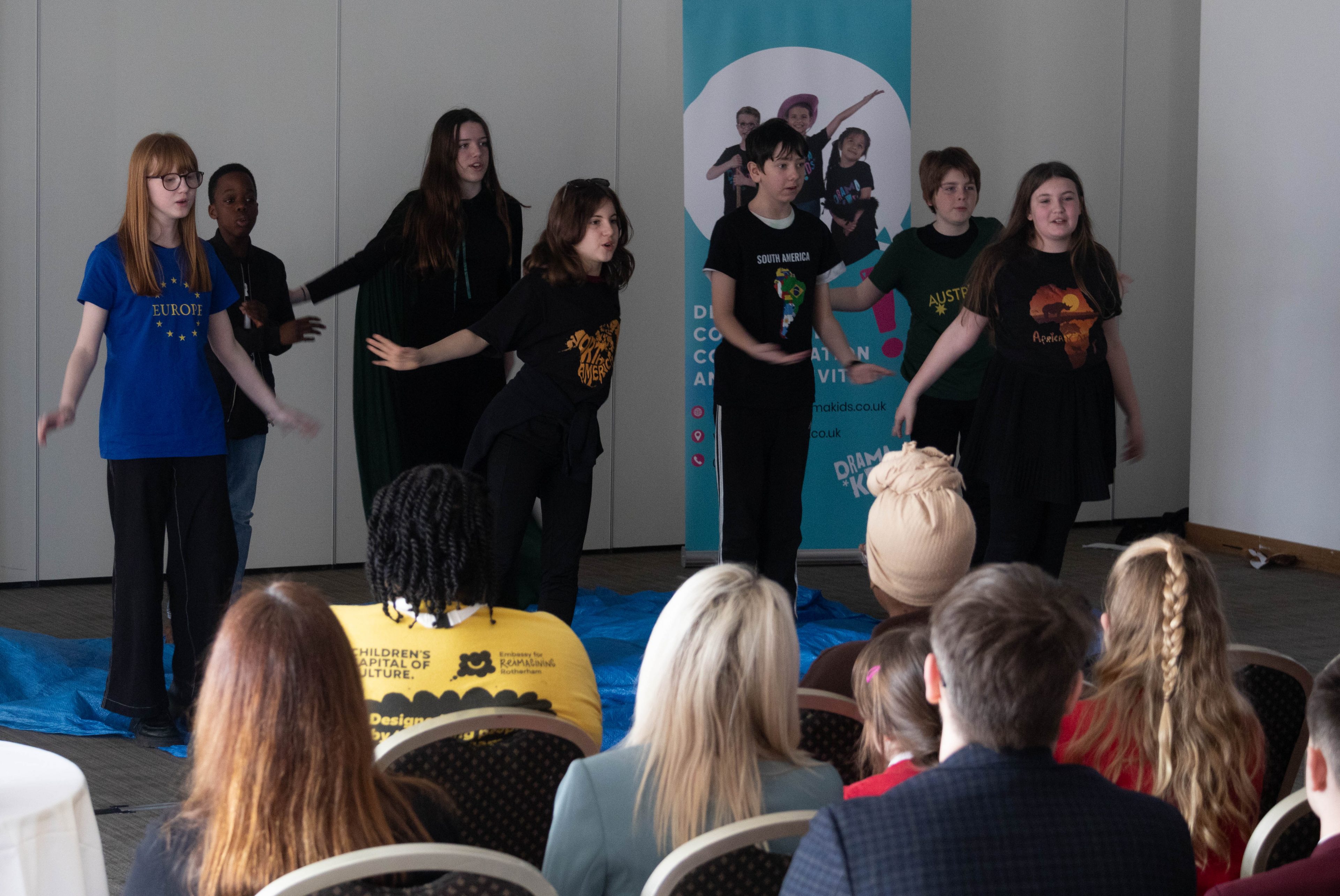
Youth drama group  Drama Kids performed a powerful extract from a script they had devised themselves called ‘Trash Planet’, calling for us all, including governments,  to rise to the challenge of climate solutions.

Carolyn Leary explained some alarming facts about temperatures. In 2015 the Paris Agreement highlighted the importance of not exceeding a 1.5C increase in average world temperatures, but it is now clear we will overshoot this. The average global temperature in the Ice Age was 10C and the average planetary temperature now is 15C, so 1.5 makes a massive difference. Think of it like your body temperature-which is usually 37C. If you have a temperature of 38.5 you are very ill. Our planet is currently sick. 

The Zines workshop got children making small magazines about nature, using old magazines to cut and paste. It was run by the National Education Nature Park who provide free programmes for schools to empower children and young people to make a positive difference to both their own and nature’s future.

The Energy Heroes workshop looked at the maths of our energy mix. Did you know that 29.4% of our electricity now comes from wind power, bigger than gas at 25.9%? A typical annual bill for a primary school’s energy is now £40,000. Energy Heroes worked out that if the staff and pupils work together to turn off appliances when not needed and avoid overheating classrooms, bills can be cut by 10%, saving a school £4000 a year. 

The children were encouraged to compose a rap. Led by professional musicians each small group came up with a verse and it was all put together to make a song. The group I sat with came up with

Gas and coal are so mean
So is Biomass it seems
Make more wind and use the sun
Make our world a better one! 

It was wonderful to see students’ ideas being turned into a finished product in such a short time. They performed it to everybody at the end of the day, using bin lids to add to the percussion. 

Hope for the Future led this workshop to encourage the youngsters to engage with their  MP’s. Sheffield Central MP Abtisam Mohammed was used as a case study and students worked out what common interests they had with her. They worked on questions to ask her and a video was made of students asking each question which will be sent to Abtisam Mohammed who has promised to make a video with her replies. 

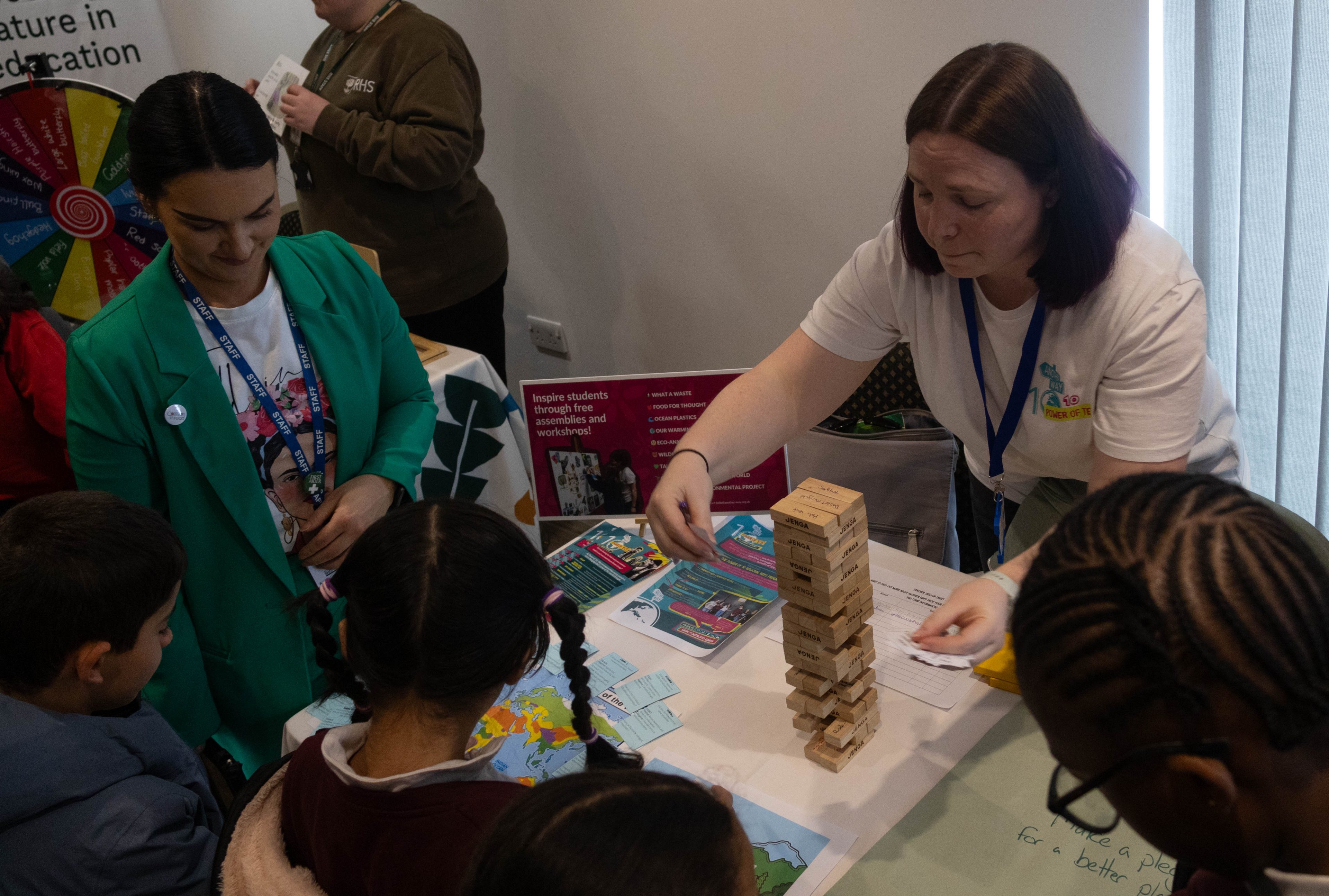
Lunchtime gave the students time to interact with the many stalls from different environmental groups to pick up ideas to take back to their schools.

Sheffield and Rotherham Wildlife Trust ran a  Greenspace Role Play workshop about planning an open space. They used Eldon Road Recreation Ground in Rotherham as a case study. Each group was given a budget of £70,000 and had to choose how to spend it, on items such as tree planting, wildflower meadows, ponds, bird and bat boxes, habitat improvements for otters, litter picks, paths, bins, fences, play equipment and community events. Students annotated a map of the park and then had to justify how they had spent their money to other participants. Students learnt how it was important to balance the needs of different people and nature so that the space worked for everyone. 

Towards the end of the day, each school created an Action Plan to take back to their school leaders to make positive changes to their school for climate and nature. Each student chose one priority they thought the school should concentrate on. These included school meals, school ethos, curriculum, food growing, heating and insulation, gender equality, buying less and buying eco products, active travel and engaging the community. Students gathered around a mentor for each idea and discussed what their school might do and what help they might need to achieve it. Then students returned to school groups to debate and finalise their plan. 

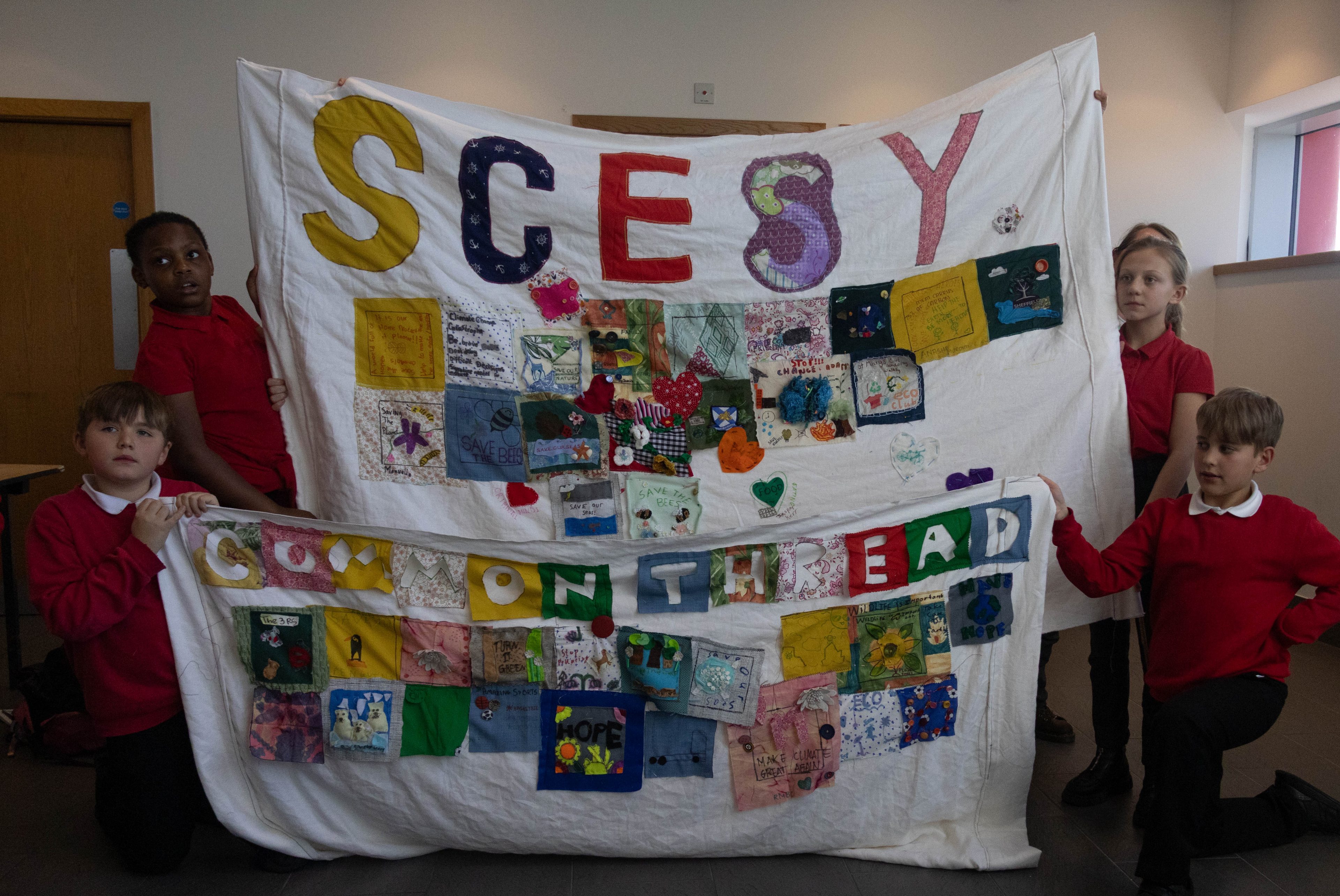
The Art Competition was won with a collaborative effort from Astrea Academy and Freya won the poetry competition. The event ended with the presentation of a Climate Hope banner created during the course of the day by community sewing group, Common Thread.

Common Thread, a community project that organises social exchanges of clothing, repair workshops, and playful up-cycling activities, created a banner based on patches schools brought with them on the theme of climate hope. They had this to say about the SCESY Conference:

‘What a FANTASTIC and inspirational day working on this community art banner and discussing the slow fashion movement with so many brilliant young people at the Schools Climate Education South Yorkshire Schools Conference!’

Students I spoke to had enjoyed the day and were enthusiastic to go back to their schools and help make some changes. Amina from Rescope Primary thought adults should spend more time enjoying nature and had made a Zine about this. Jane and Jessica wanted more wildflowers to encourage butterflies and bees and wanted their MP to make more greenspaces in the community.