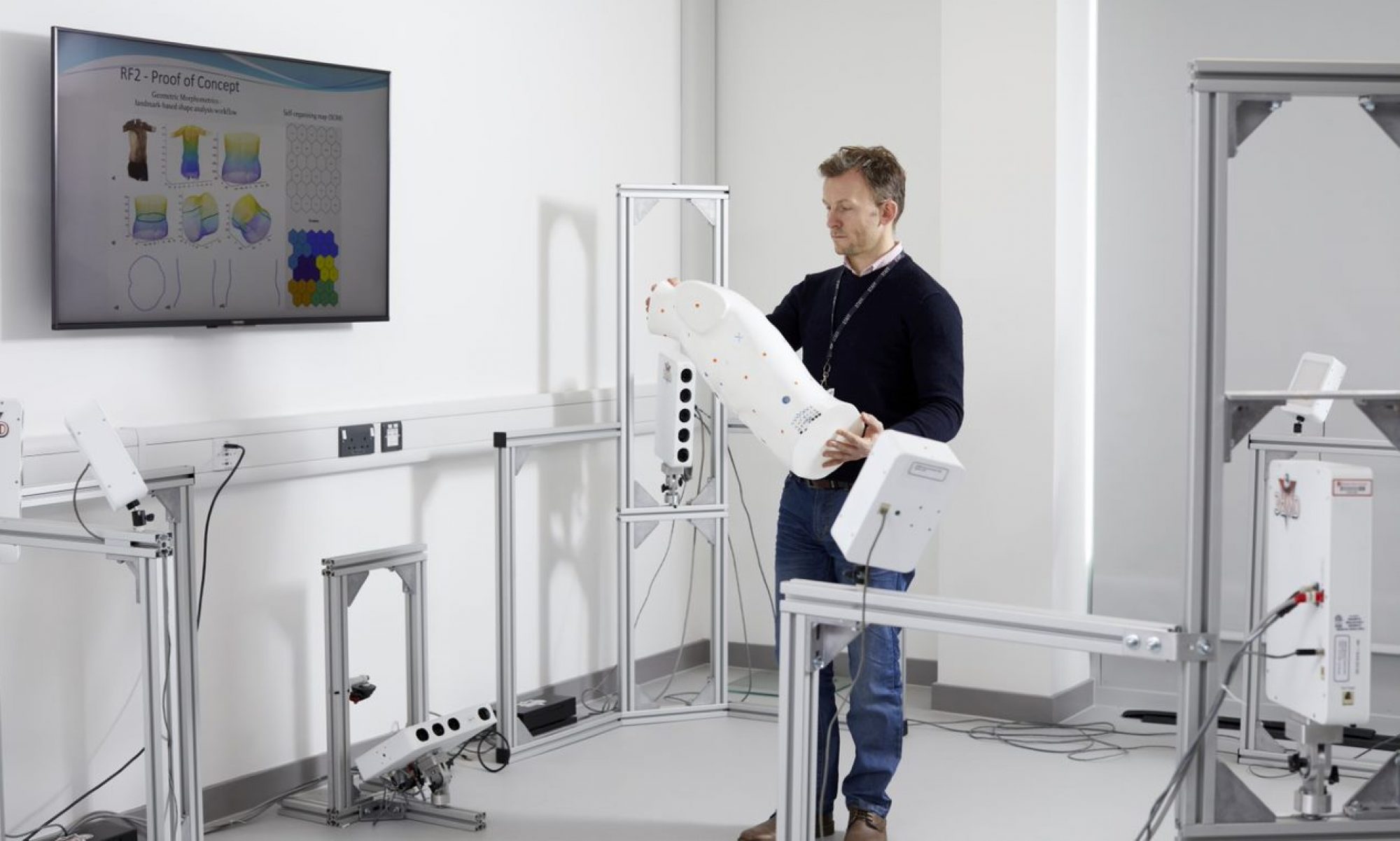

These resources bring together the key methods, systems, frameworks, databases, and organisations that underpin modern human measurement science. Each fact sheet explores the scientific foundations, methodology, quality assurance processes, applications, strengths, limitations, and evidence base of a specific topic, helping readers understand not only what a method or system is, but also why it exists, how it was developed, and how its outputs should be interpreted.
These resources are not a replacement for formal education, accreditation, certification, or competency-based training, including programmes such as those provided by the International Society for the Advancement of Kinanthropometry (ISAK). Rather, they are intended to complement existing learning and professional development by providing additional scientific context, methodological insight, and opportunities for critical appraisal.
Using These Resources
We welcome the use of these resources in teaching, learning, research, and professional practice. If you use or share them, please acknowledge and reference the Anthropometry and Body Composition Reference Resources appropriately, and let us know so we know it is helpful!
For individuals or organisations wishing to develop books, courses, educational materials, commercial products, or other substantial derivative works, we kindly ask that you contact us directly. We would be delighted to contribute our expertise and help ensure that any resulting resources retain the highest standards of scientific accuracy, quality, and interpretation.
Please use these resources, share them responsibly, and cite them appropriately. If you wish to build upon them, we encourage collaboration rather than reproduction.
—————————————————————
Measurement Methods
-
- Anthropometry
- DXA
- BIA
- Air Displacement Plethysmography
- Hydrostatic Weighing
- MRI
- CT
- Ultrasound
- 3D Optical Imaging
Standardisation Systems
-
- ISAK
- NHANES
- WHO
- CDC Growth Monitoring
- UK Biobank Protocols
Body Composition Models
-
- Two-Compartment Model
- Three-Compartment Model
- Four-Compartment Model
- Multicomponent Models
Quality Assurance
-
- Technical Error of Measurement
- Reliability
- Validity
- Calibration
- Observer Training
Data Interpretation
-
- Reference Values
- Normative Data
- Growth Standards
- Obesity Classification
- Sarcopenia Classification
WEIGHT STIGMA
- ECPO – Ytisebo
- National Eating Disorders Association (NEDA)
- Obesity Action Coalition (OAC)
- Association for Size Diversity and Health (ASDAH)
- STOP Weight Bias
- Harvard Weight Implicit Association Test (IAT)
- OPEN ACCESS (FREE) Flint, S. W. (2021). Time to end weight stigma in healthcare. EClinicalMedicine, 34. https://www.thelancet.com/journals/eclinm/article/PIIS2589-5370(21)00090-0/fulltext
- OPEN ACCESS (FULL ARTICLE FREE) Emmer, C., Bosnjak, M., & Mata, J. (2020). The association between weight stigma and mental health: A meta‐analysis. Obesity Reviews, 21(1), e12935.https://onlinelibrary.wiley.com/doi/full/10.1111/obr.12935
- OPEN ACCESS (FREE) Rubino, F., Puhl, R. M., Cummings, D. E., Eckel, R. H., Ryan, D. H., Mechanick, J. I., … & Dixon, J. B. (2020). Joint international consensus statement for ending stigma of obesity. Nature medicine, 26(4), 485-497.https://www.nature.com/articles/s41591-020-0803-x
- OPEN ACCESS (FREE) Roberts, K. J., & Polfuss, M. L. (2022). Weight stigma in children and adolescents: Recommendations for practice and policy. Nursing2022, 52(6), 17-24.
3D BODY SURFACE IMAGING
- Gill, S, Brownbridge, K, Panchenko, A, Hayes, S and Wren, P (2014) Practical Considerations of Applying Body Scanning as a Teaching and Research Tool. In: 5th International Conference on 3D Body Scanning Technologies, 21 October 2014 – 22 October 2014, Lugano, Switzerland.
SPORT
BODY COMPOSITION:
- Mathisen, T. F., Ackland, T., Burke, L. M., Constantini, N., Haudum, J., Macnaughton, L. S., … & Sundgot-Borgen, J. (2023). Best practice recommendations for body composition considerations in sport to reduce health and performance risks: a critical review, original survey and expert opinion by a subgroup of the IOC consensus on Relative Energy Deficiency in Sport (REDs). British Journal of Sports Medicine, 57(17), 1148-1158.
- Mountjoy, M., Ackerman, K. E., Bailey, D. M., Burke, L. M., Constantini, N., Hackney, A. C., … & Erdener, U. (2023). 2023 International Olympic Committee’s (IOC) consensus statement on relative energy deficiency in sport (REDs). British journal of sports medicine, 57(17), 1073-1097.
- Body Composition: more than just a number – BJSM blog: https://blogs.bmj.com/bjsm/2024/05/06/body-composition-more-than-just-a-number/
BODY MASS:
- Swim England position statement on process of weighing athletes: https://www.swimming.org/sport/swim-england-statement-weighing-athletes/#:~:text=The%20recommendation%20from%20the%20national,polo%2C%20artistic%20swimming%20and%20diving.
- Burke, L. M., Slater, G. J., Matthews, J. J., Langan-Evans, C., & Horswill, C. A. (2021). ACSM expert consensus statement on weight loss in weight-category sports. Current Sports Medicine Reports, 20(4), 199-217.