
This summer (August 2026) I (Alice Bullas) am undertaking an international research secondment at the John A. Shepherd Research Laboratory within the University of Hawaiʻi Cancer Center. Supported by my UK Research and Innovation (UKRI) Future Leaders Fellowship. This is blog 6 of 6. For more background content please see my introductory blog (blog 1 of this series).
Final Reflections: What Happens When You Give Your Brain Space to Breathe?
This summer, through my UKRI Future Leaders Fellowship, I spent four weeks on secondment at the John A. Shepherd Research Laboratory, University of Hawaiʻi Cancer Center.
Over the course of this blog series, I’ve written about why I went, what it took to get there, the practical realities of relocating a family halfway around the world, and the professional experiences and observations that emerged week by week. Now that I’m back in the UK, with some distance from the experience, I’ve found myself reflecting on what I actually gained from it.
The surprising thing is that many of my biggest takeaways have very little to do with specific projects, papers or methods. Instead, they are about perspective.
Returning Home
As I write this, I’ve just returned from driving through the Peak District. Normally, I’d describe it as dramatic, beautiful and rugged. Instead, I find myself comparing it to Hawaiʻi. The hills feel flatter than I remember. The grass feels less vibrant. The air feels cooler. The leaves are already turning, and there is a definite sense that autumn has arrived.
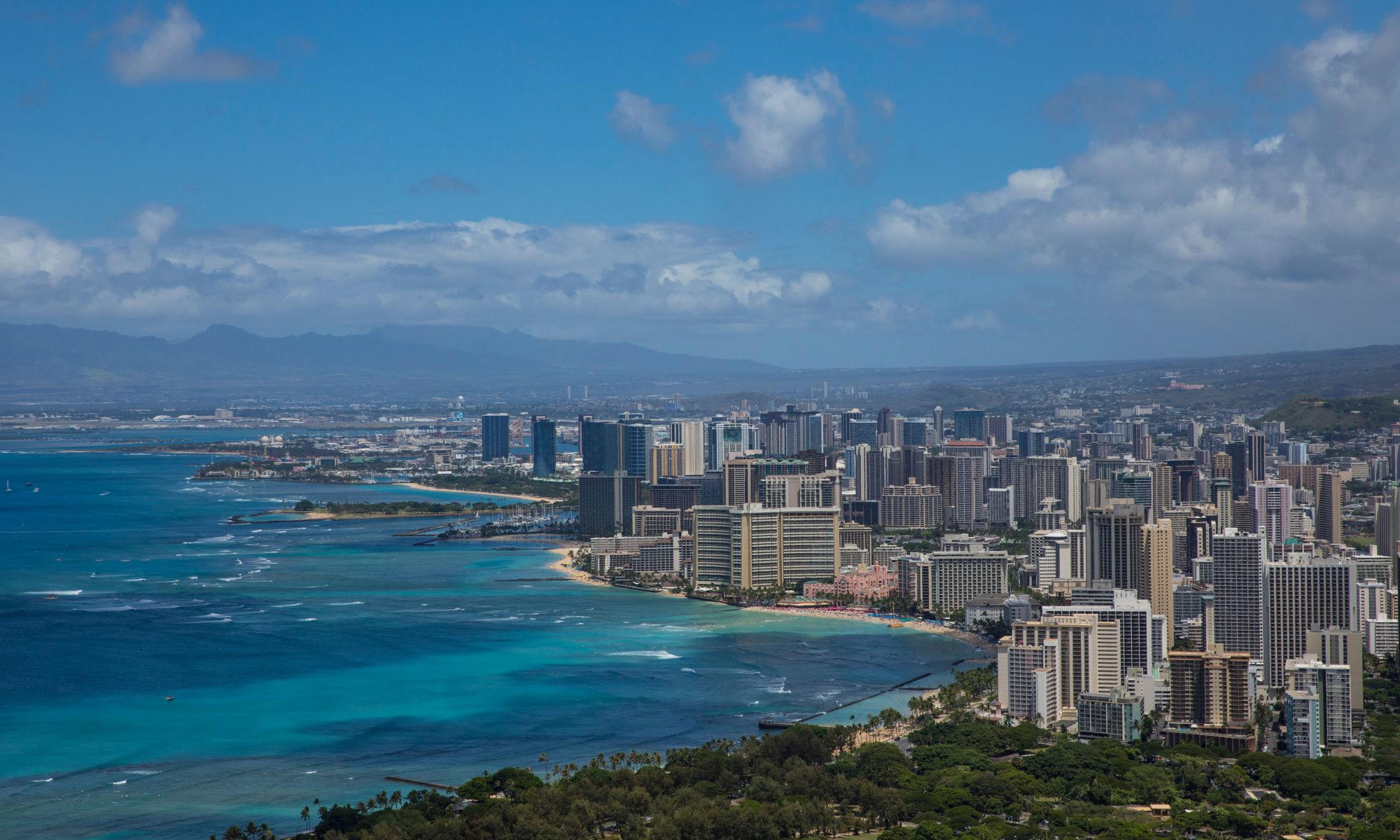
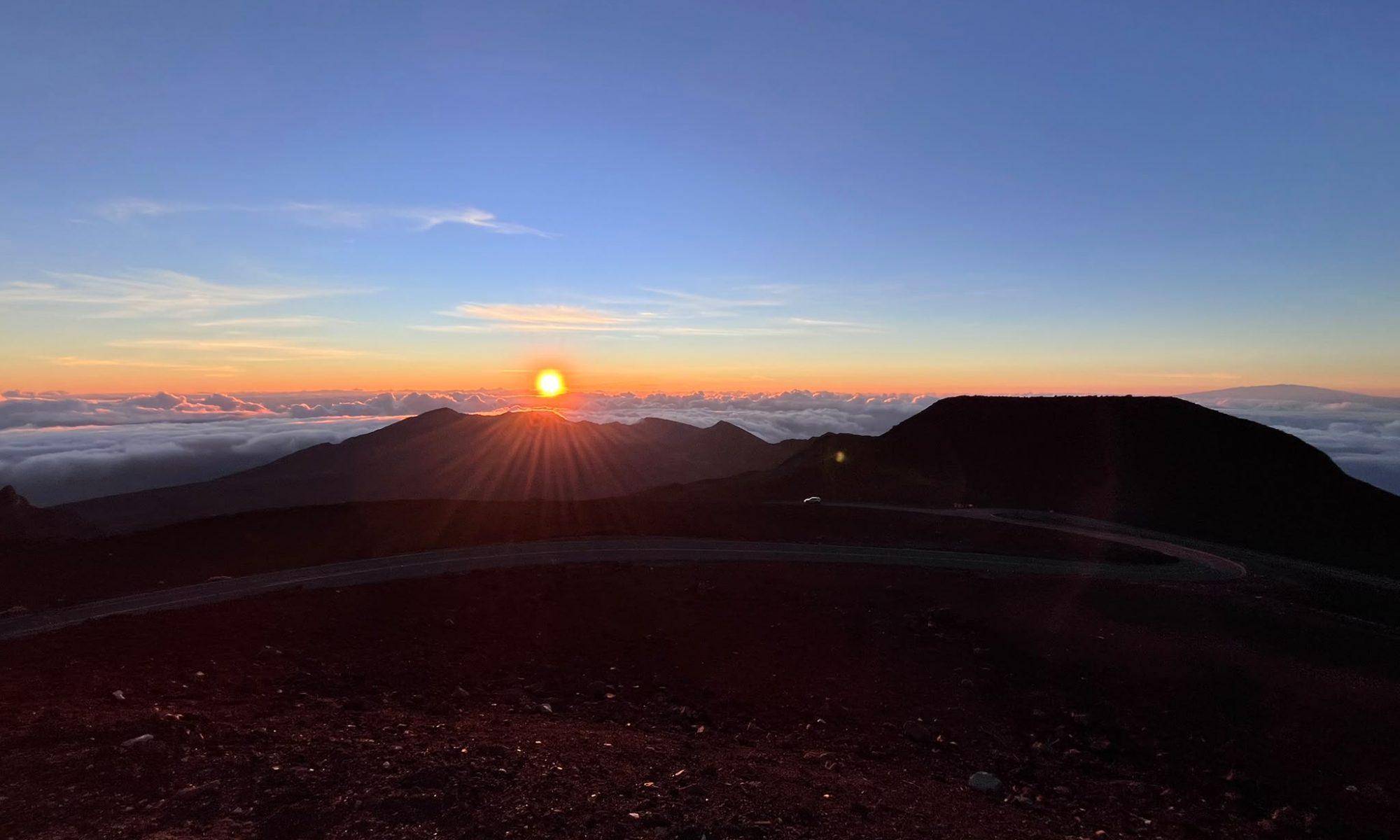
After weeks of volcanic landscapes, tropical vegetation, warm seas and endless horizons, my frame of reference has shifted. I find myself missing the ocean – which really isn’t something I thought I would ever say … being quiet scared of deep water.

I miss being able to float in warm water at the end of the day. I miss seeing wildlife on every snorkelling trip. I miss the fruit, the rice, the pineapple and the watermelon. I’m even missing Spam musubi. That probably says more about how much I enjoyed the experience than anything else.
At the same time, it’s also reminded me how fortunate I am at home. Jet lag has meant I’ve spent several early mornings awake in the garden listening to tawny owls, watching squirrels and hearing foxes in the distance. The wildlife may be different, but there is still plenty to appreciate. What has changed is my perspective.
Professional Reflections
The biggest professional benefit of the secondment wasn’t learning a new technique. It was having time to think. Space to think is probably the most valuable thing the fellowship gave me.
Not conference thinking.
Not meeting thinking.
Not trying-to-answer-emails-while-thinking thinking.
Actual uninterrupted thinking.
For the first time in a long time, I felt as though my brain had room to breathe.
Stepping away from the normal pressures of university life gave me the opportunity to reflect on my research, my leadership, my priorities and the direction I want to take my work.
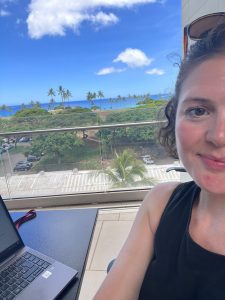

Over the last year, particularly since returning from maternity leave, I think I had allowed myself to become consumed by the day-to-day challenges of academia. Like many people working in universities, I had become increasingly focused on deadlines, pressures and uncertainty.
Without realising it, some of my enthusiasm had become buried underneath all of that.
This secondment reminded me why I enjoy research in the first place.
It reminded me how much I enjoy ideas.
How much I enjoy solving problems.
How much I enjoy talking to people who care deeply about similar questions. And how much I still want to build things, create opportunities and contribute to my field. Perhaps most importantly, it reminded me that the world is much bigger than my institution.
Working alongside researchers on the other side of the world made me realise how isolated I sometimes feel academically. I’ve been fortunate to collaborate with wonderful people over the years, but being immersed in an environment where everyone is working on related topics was incredibly energising.
It was refreshing to discover that researchers in Hawaiʻi face many of the same problems we face in the UK. The contexts may be different. The systems may be different. The solutions may be different. But the underlying challenges often look remarkably similar.
Leadership Reflections
One theme that emerged repeatedly throughout the secondment was leadership. Not leadership as a title. Leadership as a series of daily choices.
I spent a lot of time observing how people interacted with students, researchers and colleagues. Some approaches resonated strongly with me. Others prompted me to think carefully about the sort of leader I want to become. One conclusion I’ve returned to repeatedly is that how we make people feel matters.
The most effective leaders I have encountered create clarity, provide support and make people feel valued. That doesn’t mean they avoid difficult conversations. It means they approach those conversations thoughtfully.
The secondment reinforced how determined I am to ensure my actions align more closely with my intentions. I’ve always wanted to create supportive, positive environments for students and colleagues. The challenge now is making sure people experience those intentions in practice rather than simply hearing me talk about them. I want people to see my values through my behaviour. Not just through my ambitions.
Personal Reflections
One of the reasons I wanted this blog series to include personal reflections is because experiences like this do not happen in isolation. Researchers don’t arrive at airports as researchers and leave their identities as parents, partners or people behind. We bring all of those parts of ourselves with us.
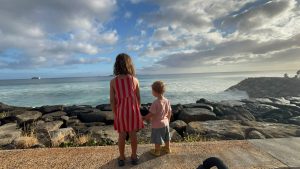
Recently, I read an excellent article in Nature discussing the realities of travelling internationally with families. It resonated strongly because it captured something I had experienced throughout this trip: family travel is rewarding, but it is also considerably more complex than academic travel alone.
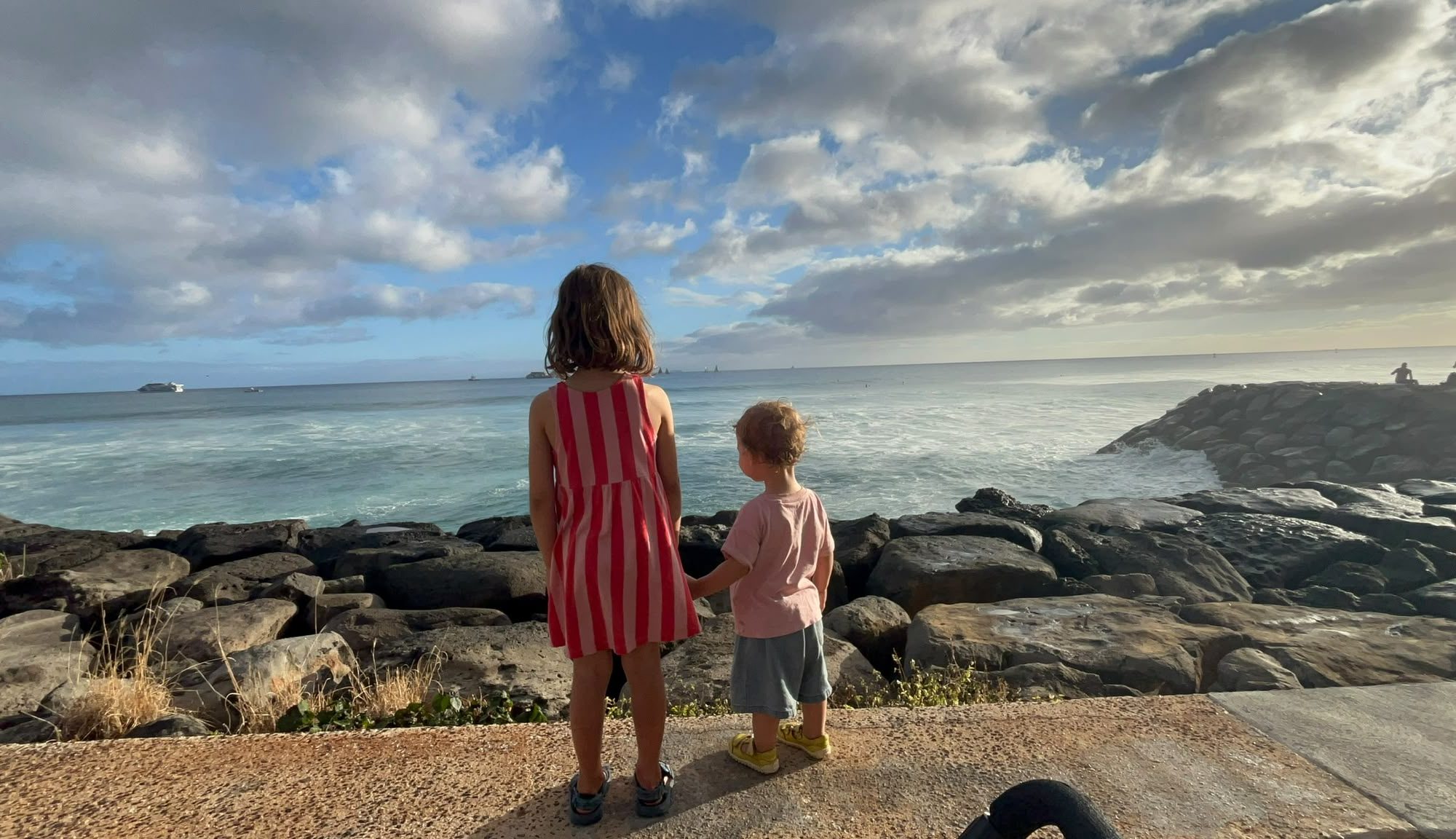
Our children were outstanding. They embraced new foods. They adapted to disrupted sleep. They tolerated long flights. They climbed volcanoes, explored beaches, visited laboratories, waited patiently while I worked, and approached every experience with curiosity and enthusiasm. Watching them experience a different culture and environment was one of the highlights of the entire trip.
The secondment would have been valuable if I had travelled alone. The fact that my family could experience it alongside me made it far more meaningful. It also made me think differently about future opportunities.
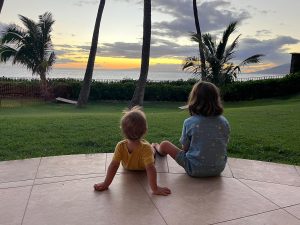
As my children get older, I want to find more ways of bringing them into these experiences where possible. Not because they need to become academics, but because I want them to see the world, meet different people and realise how much opportunity exists beyond the places they know today.
People Reading the Blogs
One thing that genuinely surprised me was how many people read these blogs. When I started writing them, I assumed the audience would largely consist of close friends, family and perhaps a handful of colleagues.
Instead, people began mentioning them in meetings. Potential collaborators referenced them. Colleagues discussed them. People reached out because they had followed the journey. That was completely unexpected.
The blogs achieved exactly what I had hoped they might: they created a record of the experience while also opening conversations that would probably never have happened otherwise. For that reason alone, I suspect I will continue using reflective writing as part of future projects.
So Was It Worth It?
Absolutely.
Professionally, it gave me new skills, new ideas, new connections and new perspectives. Personally, it gave me experiences and memories that my family and I will carry for a long time.
It reminded me why I love research. It reminded me why international collaboration matters. It showed me that stepping away from your normal environment can sometimes be the most productive thing you do.
Most importantly, it reminded me that opportunities like this should not simply be appreciated after they happen. They should be pursued. Throughout the trip, people kept asking whether I would do something similar again. The answer is simple. Yes. Without hesitation.
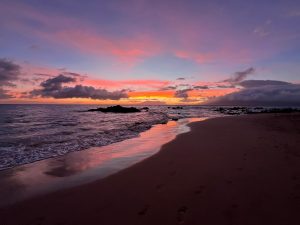
In fact, rather than mourning that the experience is over, my focus now is figuring out how to create another opportunity like it. Because that may be the biggest lesson of all. Sometimes the best response to an extraordinary experience is not to look backwards and wish it hadn’t ended. It’s to look forwards and start planning the next adventure.
Mahalo Hawaiʻi. Thank you to everyone who welcomed me, supported me and shared their expertise throughout the secondment. The experience has left a lasting impact on both me and my family, and I hope this is the beginning of many future collaborations rather than the end of a single visit.