
in the Sports Engineering Research Group (SERG) at the Advanced Wellbeing Research Centre (AWRC), within Sheffield Hallam University (SHU) – members of the Sheffield Multimodal Imaging Centre (SMIC)
This summer (August 2026) I (Alice Bullas) am undertaking an international research secondment at the John A. Shepherd Research Laboratory within the University of Hawaiʻi Cancer Center. Supported by my UK Research and Innovation (UKRI) Future Leaders Fellowship. This is blog 4 of 6. For more background content please see my introductory blog (blog 1 of this series).
Week 3: Learning Beyond the Research
As my third week in Hawaiʻi comes to a close, I have found myself reflecting less on individual projects and more on what it means to be a researcher, collaborator and leader.
When I arrived, I expected the secondment to be primarily about learning new methods, technologies and approaches to body composition research. Those elements remain an important part of the experience, but increasingly the most valuable lessons are emerging from conversations, observations and reflections on how research itself is organised.
One recurring theme this week was the importance of boundaries, regulations and systems. Early in the week, a promising publication opportunity raised questions about visa requirements and what activities I am permitted to undertake while in the United States. Although frustrating, it served as a reminder that good research depends not only on great ideas, but also on operating responsibly within the systems that govern international collaboration.
Perhaps surprisingly, artificial intelligence played an important role in that lesson. While AI tools are often discussed in terms of improving efficiency, this week highlighted their ability to challenge assumptions and force difficult decisions. Being told “no” by an AI system was not something I particularly enjoyed, but it reinforced the value of compliance and accountability.
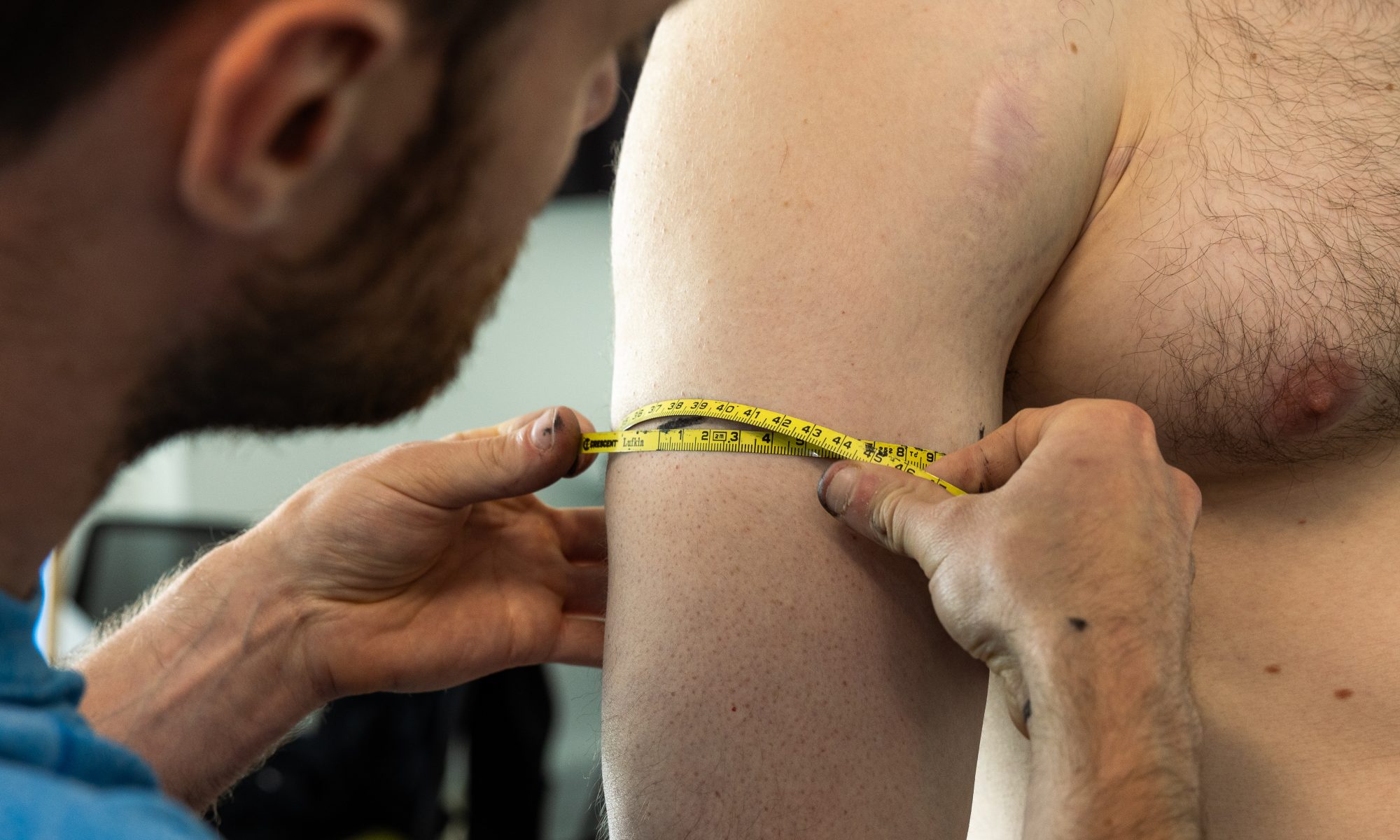
The week also provided opportunities to think deeply about anthropometry. Discussions around tape measurement techniques, standardisation and methodological practice once again demonstrated how many seemingly simple measurement questions remain unanswered. Some of the most interesting research ideas emerge not from advanced technology, but from fundamental questions about how and why measurements are performed.
Another area of learning came from observing research culture and leadership. Conversations with colleagues highlighted different ways of developing researchers. One approach that particularly resonated was the expectation that students contribute actively to grant development and broader research activities alongside their individual projects. It encouraged me to think about how we prepare future researchers not only as scientists, but also as leaders, collaborators and innovators.
As the secondment progresses, I have become increasingly aware of the importance of relationships. Publications, analyses and technical skills are all valuable outcomes, but long-term collaborations may prove to be the most significant legacy of the placement. Many of my reflections this week centred on how to maintain these connections, support future exchanges and create opportunities that extend beyond this visit.
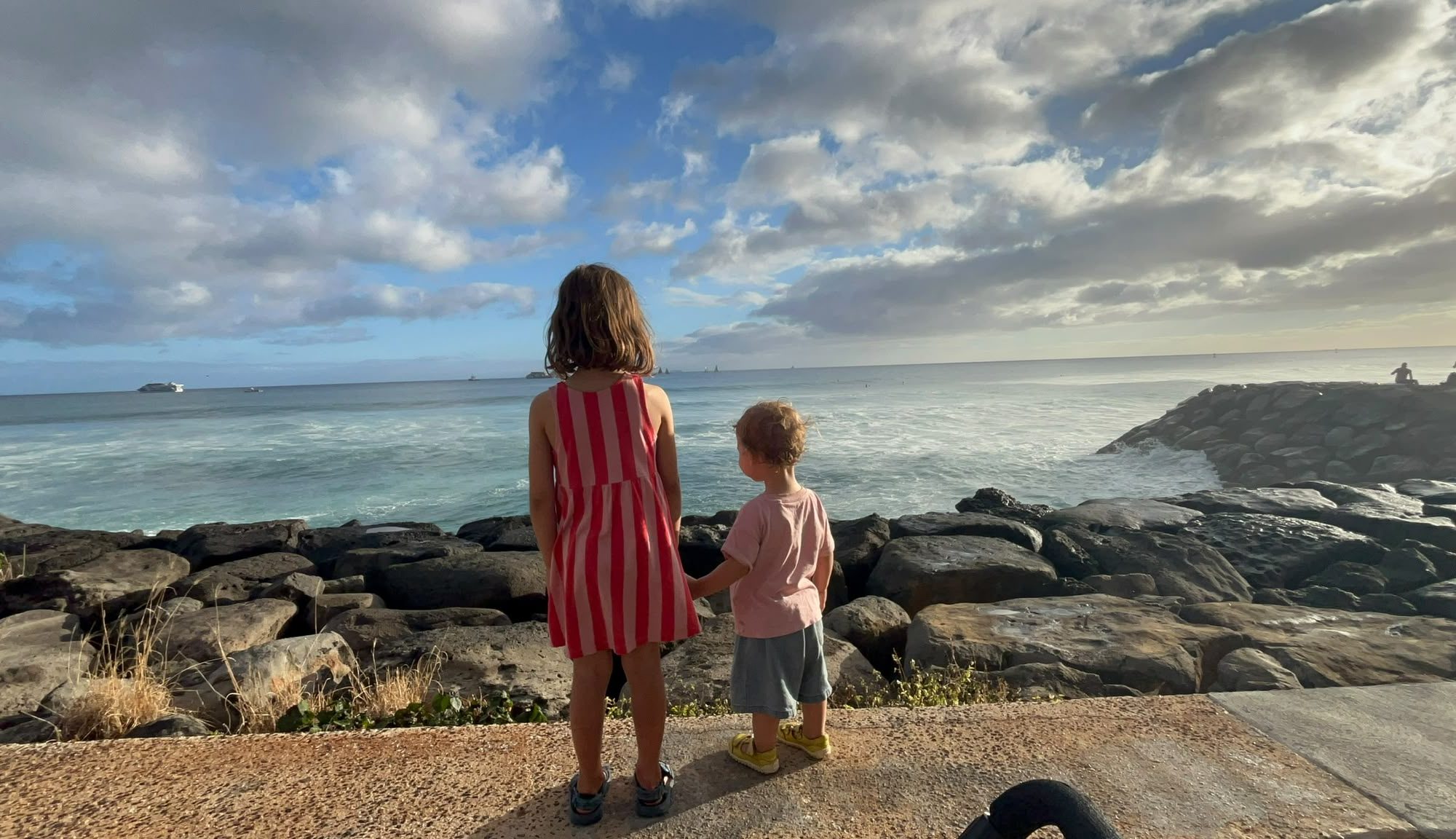
Beyond work, the placement has also prompted reflection on family life and academic travel. Watching my children experience Hawaiʻi, seeing them adapt to new environments and imagining how they might engage with future academic opportunities has been unexpectedly rewarding. It has encouraged me to think differently about how family and research can coexist.
The final days of the secondment are now approaching. There is a growing sense of urgency to complete projects, consolidate learning and capture opportunities before returning home. At the same time, I am increasingly conscious that some of the most valuable outcomes will only become apparent after I return to Sheffield and begin applying what I have learned.
If the first two weeks were about arriving and adapting, week three has been about understanding. Understanding how research is organised, how collaborations develop, how expertise is positioned internationally and how professional growth often happens through reflection as much as action.
As I move into the final phase of the placement, my focus is shifting from learning in the moment to ensuring that learning creates lasting impact.
This summer (August 2026) I (Alice Bullas) am undertaking an international research secondment at the John A. Shepherd Research Laboratory within the University of Hawaiʻi Cancer Center. Supported by my UK Research and Innovation (UKRI) Future Leaders Fellowship. This is blog 3 of 6. For more background content please see my introductory blog (blog 1 of this series).
Week 2: Learning Through Research, Collaboration and Reflection in Hawaiʻi
As I move into the second week of my secondment in Hawaiʻi, I am becoming increasingly aware that the most valuable aspects of the experience extend well beyond learning specific measurement techniques or research methods. While those elements remain important, this week has highlighted the value of stepping outside familiar environments and viewing established ways of working through a different lens.
One of the highlights of the week was spending time in the laboratory observing participant testing and data collection. It was fascinating to see a range of technologies being used together to explore human health, body composition and physiological characteristics. Watching different approaches in practice encouraged me to think more broadly about how various measurement methods can complement one another and contribute to answering complex research questions.
Experiences like these are particularly valuable because they provide opportunities to compare approaches, explore alternative perspectives and reflect on the reasoning that underpins different methodologies. In research, there is often more than one way to tackle a challenge, and seeing those variations first-hand helps broaden our understanding of both the strengths and limitations of our own practices.
Alongside laboratory observations, much of the week was devoted to developing existing research projects and exploring new ideas. A conversation about anthropometric measurement challenges led me down an unexpected path, eventually developing into a draft protocol for a Delphi study. What began as a relatively small methodological question quickly revealed larger issues around consistency, guidance and consensus within practice.
These moments have reminded me how often research opportunities emerge from everyday conversations. Some of the most interesting projects do not begin with a grand proposal. Instead, they grow from practical questions that researchers encounter while working in the field or the laboratory.
The secondment has also provided dedicated space to make progress on several manuscripts and ongoing projects. Time away from normal routines can create valuable opportunities to revisit work that has been sitting on a to-do list for months. During the week I was able to advance a number of writing projects and continue exploring questions around anthropometric databases, digital human modelling and body shape research.
A recurring theme has been the growing role of artificial intelligence within academic workflows. Using AI tools to support editing, organisation and manuscript development has reinforced my view that these technologies can be powerful research assistants when combined with subject expertise and critical thinking. They can accelerate tasks and reduce administrative burden, but they work best when guided by strong domain knowledge and careful judgement.
The week has also encouraged me to reflect on research culture, collaboration and leadership. Spending time in a different institution naturally prompts comparisons, not in terms of identifying what is better or worse, but in understanding how different environments support researchers, organise activities and build collaborative relationships. These observations have given me plenty of ideas to bring back to Sheffield and consider within my own practice.
One lesson I continue to relearn is the importance of focus. Being surrounded by new ideas, people and opportunities is energising, but it also creates a temptation to pursue everything at once. Some of my most productive moments this week came when I identified a clear priority and concentrated on moving it forward rather than switching continually between tasks.
Outside work, I am gradually becoming more familiar with life in Hawaiʻi itself. Even simple routines such as travelling to work, exploring the local area and experiencing a different pace of life contribute to the overall secondment experience. They provide useful context for understanding the environment in which colleagues live and work, and they have helped make the experience feel increasingly immersive.
As I look ahead to the coming weeks, I am hoping to build on the connections I have started to develop, gain further insight into ongoing research activities and continue progressing several key outputs. Most importantly, I want to make the most of the opportunity to learn from talented researchers whose perspectives and experiences differ from my own.
One of the greatest benefits of any secondment is that it creates space to step back from established routines and see familiar challenges from a fresh perspective. This week has been a reminder that professional development often comes not only from what we learn, but from how we learn it, who we learn it from, and the questions we ask along the way.
This summer (August 2026) I (Alice Bullas) am undertaking an international research secondment at the John A. Shepherd Research Laboratory within the University of Hawaiʻi Cancer Center. Supported by my UK Research and Innovation (UKRI) Future Leaders Fellowship. This is blog 3 of 8. For more background content please see my introductory blog (blog 1 of this series).
Week 1: Finding Common Challenges and New Perspectives
When I arrived in Hawai’i for my secondment, I expected to spend much of my time learning about new technologies, research methods and ways of working. My first week has certainly delivered that, but it has also highlighted the value of seeing familiar challenges through a different lens.
One of the most enjoyable aspects of the week has been meeting colleagues from a wide range of professional backgrounds. Conversations have ranged from clinical practice and medical imaging to nutrition, body composition and public health. Spending time with researchers whose expertise differs from my own has provided new perspectives on many of the questions that we face in anthropometry and body composition research.
A particular highlight was visiting the body composition laboratory and learning more about the technologies used to assess infants, children and adults. Seeing their approaches first-hand prompted numerous discussions about data collection, participant experience and the practical realities of working with different populations. It was striking how many of the methodological challenges we encounter in the UK are also being addressed here. Whether the topic was 3D scanning, body composition assessment or the development of prediction models, many of the same questions arose.
One lesson that has emerged repeatedly is the value of collaboration. The research landscape can sometimes feel highly specialised, but spending time with colleagues here has reinforced how much progress depends on sharing experiences, comparing approaches and learning from one another. Several discussions this week generated ideas that I would not have reached independently and highlighted opportunities for future collaboration.
Alongside these conversations, I have begun work on a project exploring anthropometry guidance and training materials. Reviewing existing resources has helped me think more broadly about how we support researchers and practitioners who are either new to anthropometry or looking to apply it in different settings. The process has already generated ideas that could have value well beyond the specific aims of the secondment.
The week also provided a useful reminder of the importance of communication and knowledge exchange. Attending student presentations and speaking with researchers across different disciplines highlighted the breadth of work taking place within the institution. It has encouraged me to think more creatively about how we communicate anthropometry research and how we make specialist knowledge more accessible to wider audiences.
Away from the specific projects, one of the benefits of spending time in a different research environment is the opportunity to reflect on my own practice. Observing different organisational structures, research priorities and working approaches inevitably prompts comparisons with home. Rather than identifying a single best way of doing things, the experience has reinforced that strong research is often built upon diverse skills, perspectives and experiences.
I am particularly conscious that this opportunity has only been possible because of my UKRI Future Leaders Fellowship. The fellowship was designed to support ambitious research and leadership development, and this secondment is providing exactly that. Having the opportunity to spend time in a world-leading research environment, learn from colleagues with different expertise, and build international connections is a genuine privilege. I am extremely grateful for the support that has made this possible and determined to make the most of every opportunity during my time here. My aim is not only to strengthen my own knowledge and skills, but also to bring lessons, collaborations and ideas back to benefit colleagues, students and research activities in the UK.
Looking ahead, I am keen to build on the connections made during this first week, continue developing the anthropometry guidance work and explore additional opportunities for collaboration. I am particularly interested in learning more about infant body composition assessment and understanding how emerging technologies might strengthen anthropometric practice in the future.
Week one has been a week of listening, learning and making connections. Although there is still much to explore, it has already demonstrated the value of stepping outside familiar surroundings and engaging with a different research community. I am looking forward to seeing where the next few weeks lead.
How much does body shape matter in sport? More than you might think… My latest article for The Conversation explores the surprising lengths athletes have gone to in pursuit of a competitive edge, from padded bras and aerodynamic modifications to more extreme interventions.
Its just a little run through the relationship between the body, technology, performance, and the rules that govern sport. Nice to flex my #Sport & #Anthropometry muscles again.
A Research Secondment, a Family Adventure, and a Chance to Learn
This summer, I am undertaking an international research secondment at the John A. Shepherd Research Laboratory within the University of Hawai’i Cancer Center. The placement is supported through my UK Research and Innovation (UKRI) Future Leaders Fellowship, which is funding my work to advance research and practice in anthropometry and body composition assessment.
Why Hawai’i?
The obvious question is why Hawai’i?
The John A. Shepherd Research Laboratory is internationally recognised for its work in body composition, quantitative imaging, and the development of innovative methods to assess health and disease risk. The group has been at the forefront of advancing technologies such as DXA, 3D optical body scanning, bioimpedance analysis (BIA) and AI-enabled approaches to understanding body composition and metabolic health. The laboratory also hosts one of the most comprehensive body composition research facilities in the world, working across populations from infancy through to older adulthood.
For me, the alignment with my own research could not be stronger. My Future Leaders Fellowship focuses on advancing anthropometry, the science of measuring the human body, and improving how body size, shape and composition are assessed and applied across health, sport, ergonomics and public health settings. Many of the challenges that my team and I are working on in the UK, including 3D body scanning, methodological standardisation, body composition assessment and the translation of measurements into practical tools, are areas where this laboratory has global expertise. Spending time here provides an invaluable opportunity to learn from internationally recognised leaders, develop collaborations, and explore how complementary approaches can strengthen both our research programmes.
My connection with the group began several years before this secondment. In 2019, I travelled to the United States through the Innovate UK ICURe (Innovation to Commercialisation of University Research) programme, which supports researchers to explore the commercial potential of their work through intensive customer discovery and market engagement. During a visit to San Francisco, I was encouraged by Greg Moore from Fit3D to learn more about the work being undertaken in Hawaiʻi and to connect with the team. Later that year, I met Professor John Shepherd in person at ObesityWeek 2019 in Las Vegas, one of the world’s largest international conferences focused on obesity research, clinical practice and policy. Those early conversations ultimately laid the foundations for the secondment I am undertaking today.
A family adventure
One thing that makes this experience slightly different is that I haven’t travelled alone. I am here with my family, including our children, and that adds a whole extra dimension to planning and undertaking an international secondment. Like many academics, I have often looked at opportunities abroad and wondered how realistic they are when balanced against family life. Over the coming weeks, I plan to share not only what I am learning from the research environment but also reflections on travelling internationally for work with a family in tow: the practicalities, the challenges, the surprises and the lessons learned.
Before anyone assumes this is all work and no play, I should be honest: when an opportunity arises to spend several weeks in Hawai’i, it would be madness not to experience some of what makes these islands so special. Alongside the research, we’ve deliberately built in time to explore, spend time together as a family, and experience a part of the world that we may never have the opportunity to live in again. The secondment is first and foremost a professional opportunity, but it is also a family adventure.
This blog series will therefore serve several purposes.
I thought it would be useful to explain why I’m planning to write these blog posts in the first place. Whenever I look back on major professional experiences, I often find that the most valuable parts are not necessarily the things that make it into formal reports. They are the conversations over coffee, the unexpected challenges, the ideas sparked by chance encounters, the moments of uncertainty, and the small observations that gradually change how I think about my work. Those experiences can be incredibly influential, yet they are often forgotten once normal routines resume.
During the secondment, I’ll undoubtedly be keeping notes, diary entries and audio recordings. However, I know from experience that those tend to capture what happened rather than what it meant. Writing these blogs will give me an opportunity to pause, organise my thoughts, and reflect more deeply on what I am learning as the secondment unfolds.
This blog series will therefore serve several purposes.
The first is reflection. Research careers move quickly. New ideas emerge, conversations happen, opportunities arise, and before long many of those experiences begin to blur together. By writing regularly, I hope to create a record of not only what I do during the secondment, but also how my thinking develops along the way.
The second is accountability. I am incredibly fortunate to have this opportunity through my Future Leaders Fellowship. The fellowship represents a significant investment in my development as a researcher and future research leader. I feel a genuine responsibility to make the most of every conversation, meeting, collaboration and learning opportunity that emerges during my time in Hawaiʻi. Writing regularly will help me remain intentional about how I use this opportunity and provide a record of what I learn along the way.
The third is knowledge sharing. I hope these reflections will be useful to colleagues, students, collaborators and perhaps other researchers considering an international placement of their own. Many secondment reports focus on outputs and outcomes. Far fewer discuss the practical realities of relocating, building collaborations, balancing family life, adapting to a different culture, or navigating the inevitable challenges that arise when living and working in a new environment. If these posts can make that process feel a little more accessible, provide practical insights, or help someone else prepare for a similar experience, then they will have served an important purpose.
My focus during the secondment will be to learn as much as possible about body composition and anthropometry research, strengthen international collaborations, explore emerging technologies and approaches, and bring those lessons back to benefit our work in the UK. Put simply, I intend to squeeze every possible ounce of learning from this experience and share as much of it as I can.
Over the coming weeks, I’ll write about the research itself, the people I meet, the ideas that emerge, and the lessons I take away. I’ll also share some of the less glamorous but equally important aspects of the experience, including the realities of international travel, relocating with a family, settling into a new environment, and figuring out how to make everyday life work on the other side of the world.
At the end of the secondment, I plan to bring everything together into a final reflection on the experience as a whole: what worked well, what surprised me, what I learned, what I would do differently, and what advice I would give to anyone considering a similar opportunity.
For now, though, the adventure is still about to begin. Hawaiʻi is waiting, and I’m excited to see what the coming weeks will bring.
Discover how Heges is making 3D scanning more accessible by transforming LiDAR-enabled mobile devices into powerful tools for creating detailed digital models.
Essential Information at a Glance
Feature
Information
Technology
Smartphone-based 3D scanning app
Company/Developer
Marek Simonik
First Released
Available on the Apple App Store since at least 2018 (based on App Store history)
Still Available?
Yes, available via Apple’s App Store at the time of writing.
Devices with FaceID (TrueDepth camera) and/or LiDAR sensor.
Purpose
General 3D scanning
Designed for Human Body?
Partially. Can scan people but was not developed specifically as a medical or anthropometric device.
Designed for Objects?
Yes. Objects are a major intended use case.
Outputs
STL, OBJ, PLY, USDZ, GLB files.
Privacy
Developer states data remain on device unless users choose to share it.
Cost
Free download but 3D scanning functionality requires a paid upgrade. Exact pricing may vary by region.
Intended Market
Consumers, hobbyists, developers, educators and researchers.
Research Validation
Limited evidence specifically for Heges in anthropometry.
What is Heges?
Heges is a mobile 3D scanning application that turns compatible iPhones and iPads into portable scanners. It uses Apple’s built-in depth-sensing cameras to create three-dimensional digital models of people, objects and environments.
Unlike traditional body scanners that can cost thousands of pounds, Heges uses hardware already present in many modern Apple devices. This makes it one of the most affordable ways to access 3D scanning technology.
The app allows users to export scans into several industry-standard formats which can then be analysed in external software.
Who Created Heges?
Heges was developed by Marek Simonik, an independent software developer. The project originally focused on making use of Apple’s TrueDepth and LiDAR technologies for low-cost 3D scanning. The app became popular because it provided access to 3D scanning without requiring specialist hardware.
How Does Heges Work?
Heges can use two different sensors:
TrueDepth Camera (FaceID): This is the front-facing camera used for FaceID authentication. The Heges developer states that the TrueDepth camera provides the most accurate scans and can capture very fine surface detail.
LiDAR: LiDAR is located on newer iPhone Pro and iPad Pro models.The developer recommends LiDAR for scanning large objects, rooms and spaces rather than highly detailed body measurements. Interestingly, the developer states that TrueDepth is substantially more accurate than LiDAR for fine-detail scanning.
Can Heges Be Used for Anthropometry?
The short answer is yes, but with caution. Heges can create a digital 3D model of the body. From that model it is possible to estimate:
Circumferences
Lengths
Breadths
Body shape
Surface contours
Body volume
However, Heges itself does not automatically perform anthropometric analysis. Additional software is usually required. For anthropometrists, Heges should currently be viewed as a 3D capture tool rather than a complete anthropometric assessment platform.
What Does the Research Say?
At present, there appears to be very little peer-reviewed literature specifically evaluating Heges for anthropometric accuracy, validity or reliability.
That means we currently lack evidence showing:
How accurately Heges measures body circumferences
Whether Heges agrees with ISAK measurements
Whether Heges agrees with DXA body composition
Whether different operators obtain similar results
This does not mean Heges is inaccurate. It means the evidence is currently limited.
Strengths
✅ Extremely accessible
✅ Portable
✅ Low equipment costs
✅ Digital record of body shape
✅ Can be used for both people and objects
✅ Multiple export formats
✅ Privacy-focused approach according to developer statements.
Limitations
❌ Not designed specifically for anthropometry
❌ Limited peer-reviewed validation
❌ No published evidence showing ISAK equivalence
❌ No published evidence showing body composition validity
❌ Accuracy affected by movement, posture, clothing and scanning technique
❌ Requires compatible Apple devices.
Tech Spotlight Verdict
Heges is best viewed as an accessible entry point into 3D scanning rather than a replacement for traditional anthropometry or validated body composition methods.
For researchers, students and practitioners interested in exploring digital anthropometry, it offers a low-cost way to experiment with body scanning. However, until more peer-reviewed validation studies become available, measurements obtained through Heges should be interpreted cautiously when used for research or clinical decision-making.
For future Tech Spotlight articles, I’d recommend using the same comparison table above (history, cost, availability, privacy, evidence, outputs, validation, intended use, anthropometry suitability, body composition suitability, strengths, limitations). It will make the whole series feel consistent and allow readers to compare technologies side-by-side.
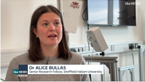
I was recently featured on ITV Calendar News (9:50 onwards) discussing concerns around Body Mass Index (BMI). As is often the case with broadcast interviews, only a short clip made it to air. But the issue deserves more space, because how we measure bodies directly shapes how we understand health -and ultimately how we care for people.
BMI is simple – but people aren’t
BMI is often treated as a definitive measure of health. In reality, it’s a very basic calculation: weight divided by height squared. That simplicity is both its strength and its biggest limitation.
At a population level, BMI can be useful. It helps us track broad trends and understand how obesity is changing across society. When used correctly, it gives policymakers a quick, standardised way to monitor public health.
But people aren’t averages.
When we apply BMI to individuals – particularly when we’re trying to understand personal health risk or track changes over time – it becomes much less reliable. Human bodies are complex. They vary in muscle mass, fat distribution, bone density, and metabolic risk. Trying to capture all of that in a single number is, quite simply, an oversimplification.
The problem is even greater across different ethnic groups
This limitation becomes even more significant when we consider ethnicity.
There is strong evidence that people from Black, South Asian and some other ethnic groups are more likely to store fat around vital organs – sometimes called central adiposity. This type of fat distribution is associated with a higher risk of conditions like type 2 diabetes and cardiovascular disease.
Crucially, this risk can occur at lower BMI levels than in White populations.
This isn’t new knowledge. It has been recognised for years by organisations such as the World Health Organization (WHO) and the UK’s National Institute for Health and Care Excellence (NICE). That’s why guidance recommends using lower BMI thresholds for people from these groups – typically around 2.5 kg/m² lower than standard thresholds.
If we don’t apply these adjusted thresholds, we are not measuring people accurately. And if we’re not measuring properly, we can’t care properly.
The result? Health risks are missed, diagnoses are delayed, and existing health inequalities are widened.
A recent data issue highlights the real-world consequences
These concerns have recently come into sharp focus, following a report from Nesta. They highlighted he latest Health Survey for England (2022) – published in 2024 – still relied on older NICE guidance that did not differentiate BMI thresholds by ethnicity. This risks systematically underestimating obesity prevalence among minoritised ethnic groups and, in turn, underestimating the true scale of health inequalities.
This example shows how small methodological decisions – like which thresholds we apply – can have very large consequences.
When large groups of people are misclassified or overlooked, it distorts our understanding of population health. It also risks misdirecting resources and reinforcing inequalities that already exist within the healthcare system.
This is a clear example of why measurement matters – not just scientifically, but socially and ethically.
Is BMI still useful?
Given all of this, a natural question follows: should we still be using BMI at all?
My view is that BMI is not the future of healthcare – but for now, it remains one of the most practical tools we have at scale.
It is quick, low-cost, and widely understood. That makes it valuable in large systems like the NHS, where consistency and efficiency matter.
But the key is using it correctly.
That means:
Applying the right thresholds for different populations
Understanding its limitations rather than treating it as definitive
Avoiding weight-stigmatising language, behaviours, and processes
Ensuring our approaches work for people from all backgrounds, cultures, religions and abilities
BMI should be a starting point – not the whole story.
Looking beyond BMI: the future of measurement
My research focuses on developing better ways to measure the body.
We now have access to emerging technologies that allow us to capture body size and shape in far greater detail – particularly through approaches like 3D imaging. These methods can help us understand not just how big a body is, but how it is composed and where fat is distributed.
That matters, because distribution – not just total weight – is closely linked to health risk.
The aim is to move towards more precise, personalised, and equitable measures of health. Measures that reflect real human diversity, rather than forcing everyone into a single, blunt category.
However, this kind of research takes time.
What we must do now
While we work towards better systems, there are practical steps we can take immediately:
Use the correct, evidence-based BMI thresholds for different ethnic groups
Combine BMI with other measures (such as waist-to-height ratio) where possible
Prioritise inclusive, non-stigmatising approaches to weight and health
Design healthcare systems that work for diverse populations, not just the majority
In short, we need to use BMI carefully now, while we build something better.
A final thought
BMI was never designed to capture the full complexity of human health – and it doesn’t.
But when used thoughtfully, and alongside other tools, it can still play a role.
The real challenge is not just improving measurement. It’s ensuring that how we measure people doesn’t exclude, misrepresent, or disadvantage them.
Because ultimately, better measurement isn’t just about better data – it’s about fairer care for everyone.
Each World Obesity Day (March 4th) is a reminder that we need to keep rethinking how we talk about and respond to obesity. This blog brings together key UK organisations and influential voices working to reduce weight stigma and ensure lived experience is at the heart of change.
A major milestone in this area is the International Consensus Statement and Pledge to Eradicate Weight Stigma, led by King’s College London and endorsed by over 100 organisations. It shifts the focus away from personal blame and highlights the biological, environmental, and social factors that contribute to obesity. The pledge calls for respectful language, non‑stigmatising imagery, and stronger advocacy across public systems.
The Obesity Health Alliance (OHA) brings together more than 60 organisations committed to stigma‑free, equitable, person‑centred care. Their work recognises how harmful stigma can be—and how often it prevents people from seeking support. The British Dietetic Association (BDA) also plays a vital role, providing practical guidelines for person‑first language and the use of non‑dehumanising imagery, which is especially important given how commonly stigma is experienced in healthcare settings.
Across the UK, public‑facing resources are growing too. Food Active’s Weight Stigma Resource Hub offers accessible tools and examples for practitioners and local authorities, challenging the idea that obesity is just a matter of personal choice and helping shift public understanding. At the same time, patient and public involvement (PPI) initiatives like Obesity Voices ensure people with lived experience have genuine influence over research, policy, and practice.
Several key individuals are also helping reshape national conversations. Sarah Le Brocq, Founder of All About Obesity CIC, is one of the UK’s leading advocates. She blends lived experience with scientific insight and national policy roles at NICE, NHSE, and the OHA. Her work reframes obesity as a chronic condition rather than a personal failing.
Ken Clare, Chair of the UK Coalition for People Living with Obesity (UKCPO) and co‑founder of Obesity Voices, is another long‑standing lived‑experience leader. He champions peer‑led communities and ensures that those most affected are shaping services, research, and strategy.
Scientific communicators such as Dr Giles Yeo, a genetics expert, also play an important role by challenging the “choice” narrative and promoting compassion grounded in evidence. And Dr Stephanie DeGiorgio works nationally to improve how healthcare professionals communicate about obesity, strengthening scientific understanding and reducing stigma in clinical settings.
Together, these organisations and individuals signal a positive shift in the UK – away from stigma and towards evidence‑based, compassionate, and inclusive approaches. On World Obesity Day, it’s more important than ever to amplify these efforts, challenge outdated assumptions, and ensure that every voice is heard, respected, and valued.
Written by Dr Alice Bullas, Sheffield Hallam University.
Edited by Co-Pilot AI (University Enterprise License).
Anthropometry has long provided a way of describing human size, shape, and proportion. Traditionally, its outputs have been datasets, reference values, and population summaries – useful for comparison, surveillance, and classification. Increasingly, however, anthropometric data is no longer an endpoint. It is passed directly into engineering and design processes, shaping physical systems that people must wear, use, or interact with. It is this transition – from measurement to design decision – that sits at the heart of anthropometric engineering.
Berthaume and Kramer have argued that the sustained integration of anthropology and engineering has reached a point where it can no longer be treated as a temporary collaboration or methodological tool. Instead, they propose anthroengineering as an independent interdisciplinary field, focused on translating biological knowledge into engineered solutions. Their argument resonates strongly with current uses of anthropometry, particularly in applied and sports contexts.
Where anthropometric engineering is already at work
In general engineering, anthropometric data informs decisions about fit, clearance, reach, and interface geometry. Examples include seating systems, vehicle interiors, personal protective equipment, and medical devices. In each case, engineers must decide how much body variability to accommodate, which dimensions matter most, and what happens when users fall outside expected ranges. These are not measurement problems alone – they are design and risk decisions built on anthropometric assumptions.
In sports engineering, this translation is even more explicit. Body dimensions influence: equipment sizing and adjustment ranges, load distribution in protective gear, interface pressures at points of contact, and the balance between performance optimisation and injury risk.
Here, anthropometric data is rarely used in isolation. It interacts with biomechanics, materials science, and performance demands. Anthropometric engineering provides a way of framing that interaction, recognising that the same measurement can have very different implications depending on how it is operationalised within a system.
How anthroengineering differs from human factors
Anthropometric engineering is often conflated with human factors or ergonomics, but the distinction is important. Human factors focuses on human–system interaction, prioritising usability, safety, cognition, and behaviour within complex environments. It is typically concerned with how people use systems. Anthropometric engineering, by contrast, is concerned with how bodies are represented within engineered models. Its emphasis is upstream of interaction: on how measurements, structural variation, and biological constraints are translated into design parameters, tolerances, and constraints. Both fields overlap and inform one another, but their starting points differ. Anthropometric engineering is less about user experience and more about biological realism in design logic.
Anthropometry as a tool – not the whole process
Critically, this framing reminds us that anthropometry itself is not anthroengineering. Anthropometry provides the raw material: measurements, distributions, and error characteristics. Anthropometric engineering begins when those data are interpreted and embedded within engineered systems. This distinction matters methodologically. A highly reliable measurement protocol does not guarantee appropriate design use. Percentiles, means, and reference values may obscure multidimensional relationships, dynamic movement, and task‑specific demands. Once measurements are converted into fixed geometries or adjustment limits, their embedded assumptions become difficult to detect – or challenge.
Anthropometric engineering therefore requires practitioners to engage not only with how bodies are measured, but with how measurement uncertainty, population diversity, and biological variability are handled downstream.
Why this matters now
As digital human models, automated body scanning, and data‑driven design become routine, anthropometric data is increasingly abstracted from its measurement context. Berthaume and Kramer’s call to recognise anthroengineering as a field highlights the need for methodological literacy across disciplinary boundaries.
For applied anthropometry, this is an opportunity. By engaging explicitly with engineering translation – not just data collection – anthropometrists can play a more active role in shaping the systems built around real human bodies.
For more information about our research and work in Anthropometry please contact Dr Alice Bullas (a.bullas@shu.ac.uk), or visit our research website: https://research.shu.ac.uk/shusize/. A copy of this post is also available at www.engineeringsport.co.uk.
Released in November 2025, the National Child Measurement Programme (NCMP) provides one of the most detailed insights into children’s growth across England. This summary outlines the latest findings and their implications for families, schools, and communities.
What is the NCMP – and why does it matter?
Every year, trained teams record the height and weight of Reception (ages 4–5) and Year 6 (ages 10–11) pupils in state-maintained schools. These measurements are used to calculate BMI centiles, supporting the monitoring of population-level trends in growth and body size. In 2024/25, 1,145,893 children were measured, achieving a 94.1% participation rate and providing a strong national overview.
While BMI is not a perfect measure for individuals, NCMP uses established centile cut-offs to monitor population patterns and inequalities, complementing other health surveys. According to OHID, population monitoring applies centiles to identify children at higher risk of entering clinically defined categories later, without assigning labels or diagnoses.
The headlines
The majority of children measured are within a healthy weight range: 75.4% in Reception and 62.2% in Year 6. At the same time, 10.5% of Reception children and 22.2% of Year 6 children are living with obesity – with severe obesity at 2.9% and 5.6%, respectively.
Compared to recent years, Reception shows a concerning uptick: excluding the pandemic peak, 2024/25 records one of the highest Reception obesity rates since measurements began. Year 6 obesity remains higher than pre‑pandemic levels and has not returned to earlier lows.
Participation is slightly higher than last year, strengthening confidence in these concerning trends.
It’s common to see higher obesity prevalence in Year 6 than Reception. Several factors contribute: cumulative exposure to environments that make nutritious choices harder, changes in physical activity opportunities as children get older, and transitions in school routines and food options. The NCMP trend charts show that while Reception prevalence hovered around 9–10% pre‑pandemic (with a spike in 2020/21), 2024/25 has ticked up to 10.5%, and Year 6 remains elevated at 22.2%.
Understanding BMI distributions (not just category cut‑offs) helps. OHID’s analysis shows shifts in the whole distribution, not only at the tails – evidence that population‑level drivers, rather than individual behaviours alone, are at play.
Inequalities: the gap is still wide – and in some places widening
Children living in the most deprived areas continue to face far higher risks. In Reception, obesity prevalence is 14.0% in the most deprived areas versus 6.9% in the least; in Year 6, it’s 29.3% versus 13.5%. The deprivation gap has widened compared with the early years of the programme.
Differences by ethnic group persist: the report highlights higher obesity prevalence among children from Black ethnic groups, and higher underweight prevalence among some South Asian groups (for example, Indian). These patterns reflect complex intersections of culture, food environments and socioeconomic circumstances.
Geographically, local authorities and regions vary – underlining the importance of local planning and targeted action. (OHID’s Fingertips profile is updated so councils and ICBs can explore their area’s trends over time.)
Should we trust the NCMP data?
NCMP is a powerful dataset, but it isn’t perfect. BMI centiles do not capture body composition or fat distribution – that’s a key reason researchers and clinicians explore complementary measures like waist‑based indices; still, those are better suited to clinical research than school settings. For population‑level monitoring, NCMP remains the most comprehensive, consistent system we have at the moment.
What does this mean for children and families?
Numbers can feel abstract. What matters is supporting every child to grow and thrive in nurturing environments. It is important to remember:
Children are growing within diverse bodies. A single metric doesn’t define a child’s health, identity or potential. NCMP is designed for population monitoring, not individual diagnosis; families should be offered supportive, stigma‑free conversations when results are shared.
The environments around children shape choices. Food availability, marketing, price promotions and the density of fast‑food outlets influence what’s on offer on the walk to school and at the end of a busy day. Policy groups like Nesta emphasise that focusing solely on “healthy food literacy” without changing the wider environment is unlikely to shift population trends.
Health is multifaceted. It’s shaped by more than BMI – factors like access to nutritious food, opportunities for physical activity, air quality, housing, mental wellbeing, and community safety all play a role.
Use NCMP letters as a conversation starter, not a label. If you receive results, ask for supportive guidance from school nurses or your GP. The aim is to promote wellbeing – sleep, food, movement and mental health – without stigma.
What helps – and where should effort focus?
As, child health challenges remain concentrated in the most deprived communities, and the modest progress seen in Reception in recent years has not been sustained – this year’s data shows those gains have reversed. Many, including the Obesity Health Alliance, are calling for comprehensive, system‑level action – not blame or shame. Such action would address the broader structures and environments that influence health, rather than focusing only on individual behaviour;
Food environment regulation: Restricting marketing of high‑fat, salt and sugar foods to children (including online and in-store promotions).Setting nutritional standards for school meals and out‑of‑school food provision.
Urban planning and transport: Designing walkable, safe streets and green spaces to encourage active travel and play. Improving access to affordable sports and recreation facilities.
Economic and policy levers: Subsidising healthy foods and reviewing price promotions that make less nutritious options cheaper. Supporting families through benefits and cost‑of‑living measures that reduce food insecurity.
Education and community support: Embedding health and wellbeing into school curricula without stigma. Co‑designing culturally sensitive weight management and wellbeing services with families.
Cross‑sector collaboration: Aligning health, education, housing and transport policies so they work together to create healthier environments.
The 2024/25 NCMP data is a call to support children with person‑centred care and to reshape environments so that healthy growth is the default – everywhere, for everyone. The evidence is clear; consistent, community‑led action without stigma is needed.
Key take‑away messages
Most children in England are within a healthy weight – 75.4% in Reception and 62.2% in Year 6 – but obesity affects 10.5% and 22.2%, respectively, with severe obesity at 2.9% and 5.6%.
Reception obesity has risen in 2024/25, marking one of the highest rates outside the pandemic peak; Year 6 remains above pre‑pandemic levels.
Inequalities are stark: children in the most deprived areas are about twice as likely to be living with obesity as those in the least deprived areas (Reception 14.0% vs 6.9%; Year 6 29.3% vs 13.5%).
Differences by ethnic group persist, underscoring the need for culturally informed, person‑centred support and equitable environments.
Population‑level drivers matter. Changing the wider food and activity environment is more effective than relying on education alone.
NCMP remains a critical tool for local planning, with 94.1% participation providing robust evidence to guide action.
The UKRI Future Leaders Fellowship (FLF) is a prestigious funding opportunity designed to support exceptional researchers and innovators in the UK. Funded by the UK government, it supports early career scientists, engineers, and researchers the chance to develop their leadership potential and conduct ambitious, transformative research across a wide range of disciplines. Through this program, fellows are empowered to drive innovation, address societal challenges, and make significant contributions to the advancement of knowledge and the betterment of society. In December 2023 it was announced that I was one of 75 FLF recipients – securing ~£1.6million and the first ever UKRI FLF for Sheffield Hallam University (SHU).
During the application process I found reading blogs of, and chatting with, previous awardees massively encouraging and informative. Thus, I figured it was only fair I repaid the favour – consequently in this blog I will be reflecting on my experience of the UKRI Future Leaders Fellowship application process.
Background
But first let me set the scene a little … Following the completion of my PhD in 2018 and subsequent employment with the Sports Engineering Research Group at SHU, I had a novel research specialism to those around me. This meant there was no senior academic bringing in funding or projects within my field for me to assist on. And being a new ‘Dr’ meant I had neither the previous experience in grant writing or research projects to be successful in being awarded such funding or projects myself. Thus, I worked on everything and anything I could contribute to in order to justify my employment. Whilst this allowed me to develop a massively broad spectrum of experiences and skills sets, it meant trying to a grasp of my specialism on the side.
However, in 2019 I was awarded an Innovate UK ICURe award. This provided me the opportunity to travel the world to meet and talk with experts in my specialism about research and innovation – with the focus of commercialism.
Whilst at the end we deemed commercialisation (at that time) to not be suitable, I left with the most profound understanding of my specialism and – most importantly an idea!
This idea was this was that body measures underpin life as we know it; from the trivial: the shape of the chair you’re sat on, the clothes you are wearing and the dimension of your devices, to the critical: the design of your seat belt, your qualification for medical treatments and the dosages of those treatment. However, children – particularly those from ethnic minority backgrounds, are poorly represented within the anthropometric databases that such items and decisions are based upon, as well as the guidelines and standards used to create them. Which, for the trivial items is an annoyance but for critical items jeopardises – such as in the assessment of health – poses a risk to life. As such I became set on critically evaluate the body measurement measures and methods used in the assessment of child health, with a focus on childhood obesity.
Overflowing with enthusiasm, I headed back home to pursue this idea at SHU. Then BAM! … Covid. Funding calls were cancelled and projects suspended. For the next year I explored every avenue that would allow me to push this idea forward, seeking and engaging in opportunities and experiences that would ensure I have the necessary skills sets to tackle this idea once the world re opened.
In Spring 2021, whilst on maternity leave, I was awarded a Early Career Researchers Fellowship internally, from SHU. This fellowship awarded me with time (6 months) to solely work on the progression of this idea upon my return from maternity leave. I attended conferences, wrote papers, spoke with experts in the field – seeking and engaging in every opportunity and experience that would allow me to progress this idea. Moreover, having returned from maternity leave I felt possessed with determination – if I was to leave my child at child care then the reason for me doing so needed to be excellent, I needed to be contributing or working towards something that would make an impact. Then, at the end of this fellowship – the timing really was truly super! UKRI announced round 7 of their FLF scheme.
I had always olged at the FLF scheme, since becoming aware of it in 2019, with Dr Dan Humphrey’s award at the University of Sheffield. But I had always felt it was something a little too ambitious for me. But in September 2022 the FLF call came at a timely and critical point, whereby I had built a substantial network and ambitious research vision. However, substantial support in scale, flexibility, and duration – beyond that of a standard project grant, was essential to realise and maximise impact of a research vision of this scale and complexity.
Internal selection
For round 7 UKRI capped the number of applicants each institution / business could submit. Within SHU this meant an internal selection process of two stages in which the ‘outline’ of your application progressively got larger.
Written application
Once I had the green light from SHU I worked on finalising the written application. This included:
discussions with experts in the field to finalise methods.
liaison with existing FLF fellows, locally and within similar specialisms.
identification and agreement from the co-investigators, project partners and mentors.
internal and external (including co-investigators, project partners and mentors) review, and rewriting based on the feedback.
itemisation of costings.
confirmation of the support provided by SHU, project partners, sub-contractors and mentors.
liaison with SHU research & innovation support staff.
My dyslexia means that writing is a challenge. Thus, for me, writing this application took a lot of time. From starting the application; in September, to submission; in the first few days of December, took ~450 hours of which I had to compress into the 3 months before submission, alongside my regular work. The support of the SHU research & innovation support staff was invaluable in providing guidance, motivation and support.
To combine the FLF with personal responsibilities and extend the total duration of the fellowship to accommodate longitudinal data collection, I write in that I was to complete the FLF on a part-time basis (0.8FTE; 100% working time). In hindsight I wish I had enquired with existing FLF fellows as to their starting salary, and costed in my family to join me on my international secondments.
Reviewers comments / response to reviewers
In May 2023 I received the comments from reviewers, and submitted my response to reviewers. This was 5 1/2 months after submission. Thus, the first task was to ensure I refamiliasered myself with my application. As you are restricted on space in which to respond, I then went through and categorised each statement from the reviewers into theme, sub theme and connotation to ensure I could address every comment and collate all similar comments. In responding I tried to retain a concise, positive, honest and graceful approach.
Interview
At the start of August 2023 I was informed I had been selected for interview. Ahead of the interview, I had 3 mock interviews, using the example questions provided by UKRI. These mock interviews were extremely helpful in ensuring I was able to communicate my ambition and research in the most clear and concise manner, calm my nerves and ensure I had my environmental ‘set up’ correct.
The interview itself, in the middle of September 2023, was very quick; only 30 minutes (including a 5 minute presentation). All the guidance from UKRI was helpful and true to their description. As it was online I ensured I was set up early and video called a colleague just before the interview to ensure that all my call settings were correct.
Outcome
It took 6 weeks from interview to outcome was 6 weeks, and I was a nervous wreck for every single one of those days. I know people say don’t put all your eggs in one basket, but I definitely had – and my nerves knew it! I am so very grateful to have been awarded this fellowship, and to be provided the opportunity to pursue my research vision. I hope that by identifying the most accurate and suitable measures and methods to assess child obesity and health we will ensure accurate diagnosis and monitoring to underpin treatment for individuals and the planning of appropriate services. Ultimately, with the aim is to reduce child obesity rates and improve child health and wellbeing in the UK and globally.
If you have any questions or queries about my project please don’t hesitate to get in contact. To keep up to speed with progress of my fellowship please give me a follow on Linkedin and Twitter.
For centuries, people have been fascinated with the human body and measuring its dimensions, believing that an individual’s physical health and performance is closely linked to their body size and shape. In the early days, physicians such as Hippocrates (460-370 B.C.) used subjective descriptions of a person’s physical build to predict their risk of developing certain diseases, such as tuberculosis and stroke. Thankfully, there have been extraordinary advances in the tools used within medical practice since then, along with the creation of more quantitative methods for measuring the human body, otherwise known as anthropometry. However, though the field of anthropometry has seen major developments since its earliest origins, the tools which are regularly used to measure the human body, in fields such as fashion and sport, are the same as those that have been used for the past century. These traditional techniques rely on the use of tape measures, height gauges and weight scales, with combinations of these used to create simple proxies of weight status and body shape, such as the body-mass-index (BMI). These approaches for assessing the human body are prone to error and limited by their relative simplicity, as they do not capture its complex three-dimensional (3D) variations in shape and mass distribution.
Since 2011, Sheffield Hallam University’s Morphology Research Group has become an international leader in the development of novel 3D imaging techniques for measuring and analysing the human body within elite sport, with morphology now one of the key research themes within the Sports Engineering Research Group (SERG). Modern 3D imaging systems, acquire point cloud data that captures detailed and accurate external dimensions and shape characteristics of the human body. An example of the Morphology Group’s work using 3D imaging in sport has been obtaining more accurate person-specific body segment inertial parameters (BSIPs) – e.g., mass, centre of mass position, moments of inertia. These metrics are vital when performing biomechanical analyses used to model human movement, particularly in movements involving high accelerations and rotations in acrobatic sports, such as trampolining and gymnastics. After scanning individuals using a 3D imaging system, Choppin et al., (2020) were able to calculate the magnitude and orientation of principal moments of volume from the resulting geometries, demonstrating the potential for errors when calculating these variables using more traditional techniques. It was also suggested that low-cost 3D imaging devices could offer a viable alternative solution for obtaining BSIP’s when possible.
Size Stream LLC booth scanner.
More recently, the Morphology Research Group has been working to translate this knowledge, which has been developed within sport regarding new measures of body shape derived from 3D imaging data, into health and wellbeing applications, such as chemotherapy dosing. Currently, estimates of body surface area (BSA) are used to determine a person’s drug dosage when receiving conventional chemotherapy as part of their cancer treatment. Though this method has been used extensively during the past century, the continued use of BSA-based dosing remains controversial due to these methods of calculation having limited validity, particularly with modern populations that tend to have higher BMI values. The implications of these inaccuracies in dose calculation are significant since it may reduce both the effectiveness of a person’s treatment and their ability to tolerate it safely. Consequently, calls for improved methods of dose calculation have increased in recent years and remains a significant challenge within oncology.
The Morphology Research Group recently published a new paper which presents the idea that the use of advanced body measurement techniques, such as 3D imaging, can provide oncology practitioners with improved tools for prescribing chemotherapy dosages that are valid for individuals, regardless of their body type. Though 3D imaging devices have previously been too large and expensive to be feasibly used in practice, recent developments in low-cost, smartphone-based systems that can acquire 3D imaging data have led to increased accessibility of this technology. Studies to develop improved methods for determining chemotherapy dosages for people with atypical body types using these advanced body measurement techniques are currently ongoing.
me°- three – sixty scanning app from Size Stream LLC
To find out more information about SERG and the Morphology Research Group’s work, check out our website, our annual review or our MSc Sports Engineering course. You can also follow us through our social media channels, available at the top right of this page or through our linktr.
References:
Thelwell, M.; Masters, N.; Appleyard, R.; Bullas, A.M. Advanced Body Measurement Techniques Can Complement Current Methods of Cytotoxic Chemotherapy Dose Prescription. Appl. Sci. 2024, 14, 834. https://doi.org/10.3390/app14020834
Choppin, S., Clarkson, S., Bullas, A., Thelwell, M., Heller, B., Wheat, J. Anatomical and principal axes are not aligned in the torso: Considerations for users of geometric modelling methods. Journal of Biomechanics, Volume 114, 2021, 110151, https://doi.org/10.1016/j.jbiomech.2020.110151.
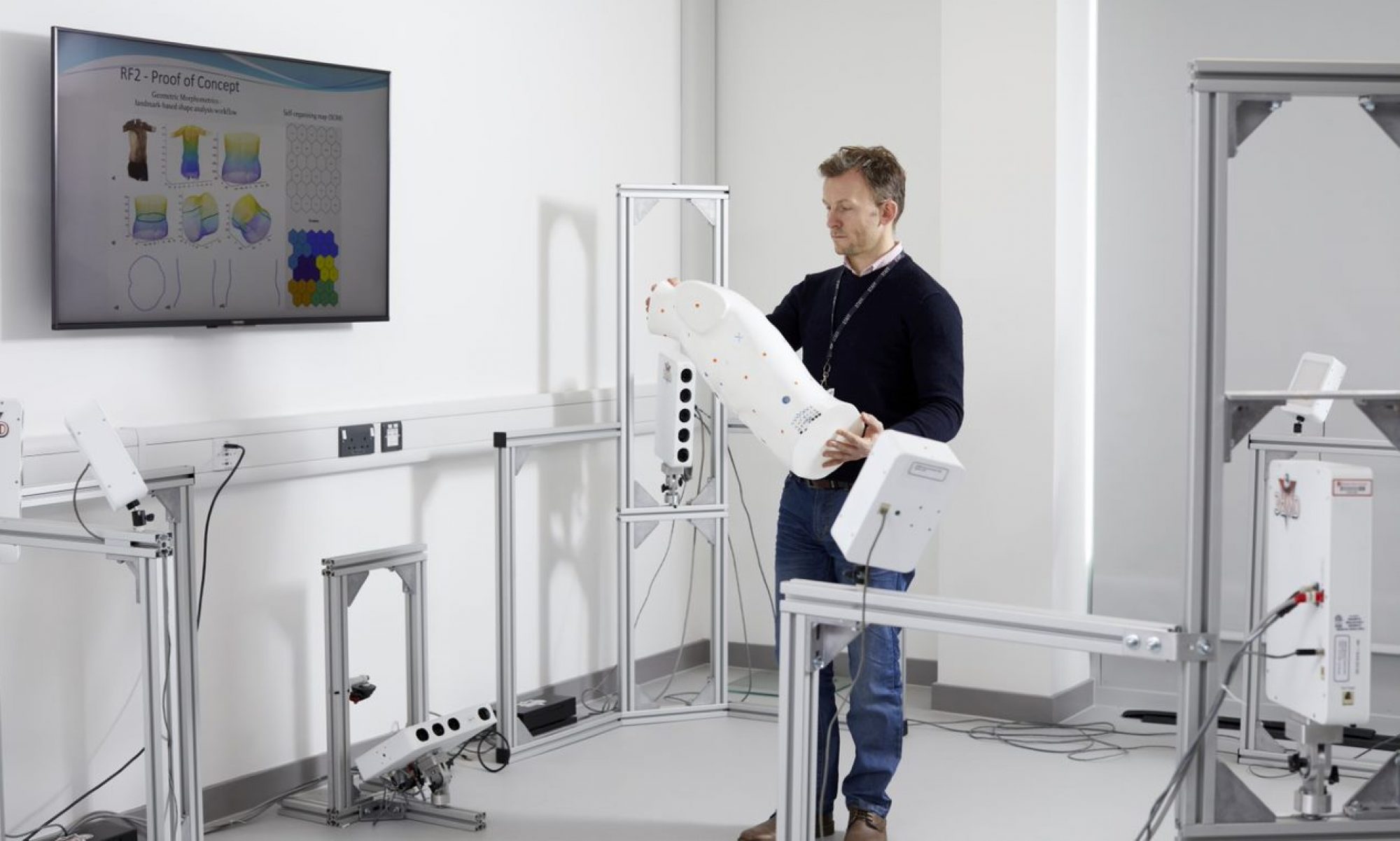
Three-dimensional (3D) surface imaging (also known as 3D body, optical or photonic scanning) creates digital 3D images of the external geometry of the human body, which when stitched together creates a digital -to scale – representation, herein referred to as a digital model (also known as a humanoid, avatar, or twin). Within the Sports Engineering Group (SERG) at Sheffield Hallam Univeristy (SHU) we use an array of 3D imaging system to capture, in a digital 3D form, the human body and equipment for the purpose of critically evaluating or designing, methods and equipment in performance and health.
However, we have recently been working on a fascinating intersection of sports engineering expertise and the worlds of art and theatre. Within this blog article we will revisit two recent case studies of or work and delve into the profound impact when technological acumen meets the unrestrained world of artistic innovation, opening new dimensions for expression and pushing the boundaries of what’s possible in the intersection of sports engineering, art, and theatre.
CASE STUDY: Integrating 3D imaging into theatre
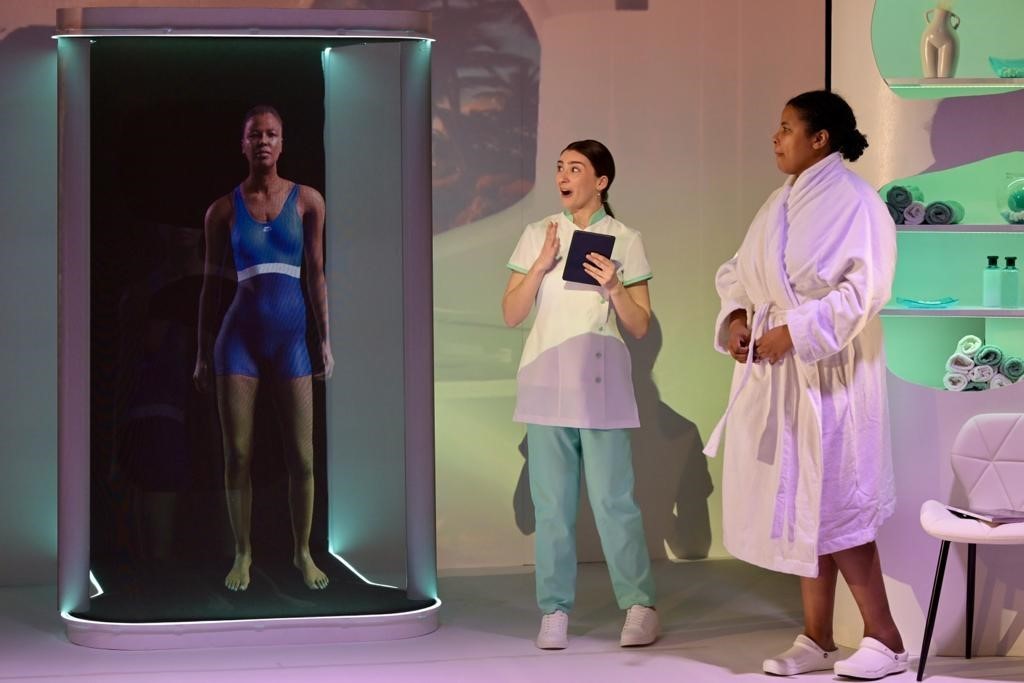
Beck Gadsby, Founder of Inside Theatre and Sheffield-based Theatre Director and Producer, has a passion for experimenting with innovative digital technology for the future of performance. As the director of 5 Years, a new play written by Hayley Davis, Beck sought our 3D imaging and modelling expertise. This was used to create an animated model to explore the play’s theme of the perfect body, and what people would do to achieve it. 3D imaging experts from our Sports Engineering Research Group, Dr John Hart and Dr Alice Bullas, scanned and generated digital 3D and miniature physical models of both actors in the play. The 3D model of the lead actor was then animated by Games Art Course Lecturer and Character Design Specialist, Jamie Gibson.
Images provided by Mark Turner
The animated 3D and miniature physical models are now integrated into the 5 years play, set to tour around the UK in 2023.
“By using this technology, we were able to demonstrate the concept of the piece – what do we lose in the pursuit of perfection – in a more tangible and visual way. It has been very well received by audiences who have said it is like a third actor on stage.” Beck Gadsby, Director, 5 years
CASE STUDY: Integrating 3D imaging into theatre
Jennifer (Jen) Booth, is a Lens Based Artist & Educator who’s work responds to the labour of the female body after & during disease, with conceptual methodologies, engagement, photo installation & education. Jen sought to generate several 3D images of her external form from which moulds could be developed into order to help process her project titled: *Ah Pooka SAKE : *. Within which Jen explores *Porcelain Doll Syndrome and the post environmental effects & trauma on the diseased female form, and how this is documented and explored through installation and performative based creative practice *
Once again, the 3D imaging experts from our Sports Engineering Research Group, Dr John Hart and Dr Alice Bullas, 3D scanned and generated digital 3D and, miniature and life size, physical models of Jen. Simon Goodwill, Head of the Sports Engineering Research Group said: “The potential translational applications of our sports engineering are vast from health to, as this project has shown, art. We are delighted we have been able to assist Jen with progressing her project and look forward to all visiting and celebrating the exhibition once complete.”
The digital 3D and, miniature and life size, physical models are now being used by Jen to generate the moulds for her project and assessing the future development and funding of subsequent work.
“This experience has given me the opportunity to have a physical model to enable creative dialogue and to nurture cooperative practice and knowledge across the Arts, Science Wellbeing and Sport, and to explore with industry & Academic specialist .” Jennifer Booth, Artist & Director of Typeset.
This work demonstrates the potential, wide, interdisciplinary impact of our imaging technology in Sports Engineering, from the arts and theatre to ergonomics, fashion or design. The research, in combination with our Sheffield Multimodal Imaging Centre and the strategic partnership between Canon Medical and the Advanced Wellbeing Research Centre provides the perfect opportunity for body imaging research and consultancy.
This work was funded through the European Regional Development Fund: Digital Innovation for Growth (DIfG). While DIFG is no longer accepting projects.