📝 Anthropometrist’s Reflections: Alice Bullas – from Hallam to Hawai’i – More than a flight

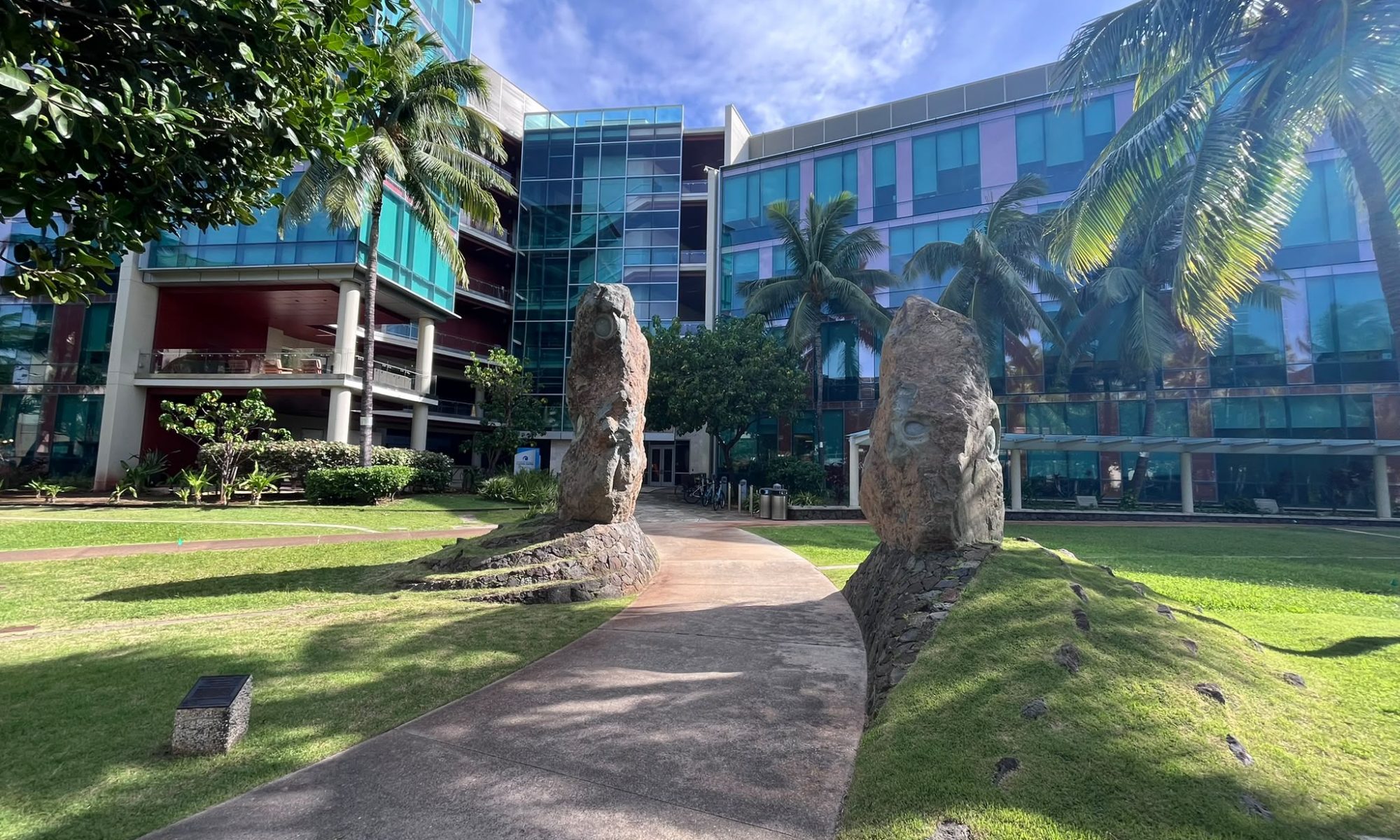
This summer (August 2026) I  (Alice Bullas) am undertaking an international research secondment at the John A. Shepherd Research Laboratory within the University of Hawaiʻi Cancer Center. Supported by my UK Research and Innovation (UKRI) Future Leaders Fellowship. This is blog 2 of 8.For more background content please see my introductory blog (blog 1 of this series)

The Practical Reality of Getting Set Up in Hawaiʻi

When people hear that I’m completing a research secondment in Hawaiʻi, the assumption I think is that the biggest challenge is the research work itself. In reality, before any meetings, collaborations or data collection could begin, there was an equally important task: figuring out how to temporarily relocate a family to the middle of the Pacific Ocean.

Secondments are often described in terms of research outputs, professional development and collaborations. Those aspects are undoubtedly important, but they sit on top of a much less visible foundation of logistics, planning, administration and family life. Without that foundation, none of the research would happen.

Before We Even Left: The Logistics Nobody Talks About

Before we boarded a plane, there was an enormous amount of work involved in simply getting here.

I want to be clear from the outset that I know how fortunate I am to have this opportunity. I am incredibly grateful to Sheffield Hallam University, the fellowship funding that made this placement possible, my hosts in Hawaiʻi and everyone who helped make the secondment happen. I am also very aware that many of the challenges I describe fall firmly into the category of first-world problems. That said, gratitude and stress are not mutually exclusive.

Organising visas, flights, accommodation and travel arrangements was one of the most administratively demanding experiences I can remember. As a university employee, travel bookings had to go through the usual Sheffield Hallam University processes and KeyTravel. For anyone familiar with this system you will know that it can pose challenges – for anyone not familiar with this system think of it like trying to assemble flat-pack furniture while speaking to someone over a crackly phone line who only had half the instructions and was absolutely convinced the remaining pages weren’t necessary.

I am sure everyone had the best of intention to help – but it often look like that. The point at which a KeyTravel member of staff asked in if I had a Travel Company I could book through, at which point I reminded them they were the travel company and the representative laughed. Whilst looking back this seems ridiculous, at the time it was most certainly a low point.

However, I suspect much of the stress came from knowing I wasn’t only responsible for myself. If I had been travelling alone, many of the obstacles would have felt relatively minor. Instead, every decision carried additional weight because my partner and two children were coming too. Visas, passports, flights, insurance, accommodation, finances and contingency plans all felt far more significant when other people were depending on them.

At times it felt as though every task completed revealed three more tasks that I hadn’t considered.

Looking back now, everything worked out. At the time, however, it often felt like trying to solve a giant jigsaw puzzle while someone else had hold of the puzzle pieces.

The Journey Itself

After all that preparation, the flights themselves were actually much better than expected. With a time difference this large (11 hours back in time), there isn’t really a perfect flight schedule. Someone is always going to be tired at the wrong time.

Fortunately, the children embraced the adventure. An early departure worked surprisingly well. They were excited about travelling, happy to play games, watch films and explore the novelty of a long-haul flight.

The most challenging part was our connection in Los Angeles.

On paper, the transfer looked entirely reasonable. In reality, moving from an international arrival to a domestic departure felt more like an airport-based endurance event. We found ourselves power-walking, jogging and occasionally outright running through terminals while attempting to keep children, luggage and travel documents all moving in the same direction – all whilst verbally barraged with complaints form my eldest about how they were “the hottest I’ve ever been in my life, so why are you now asking me to run” etc etc.

At the time, it felt slightly stressful. Looking back, it is already one of those family stories that has become considerably funnier than it felt in the moment.

Despite the airport sprint, we made every connection and eventually arrived in Hawaiʻi in one piece.

The biggest advantage of the itinerary was that by the time we arrived, the children were utterly exhausted. After a very long day they essentially collapsed into bed.

Problem solved? Not quite.

The Reality of Jet Lag With Children

The children adapted remarkably well, but a ten-hour time change is still a ten-hour time change. For about a week, mornings started very early. Very, very early.

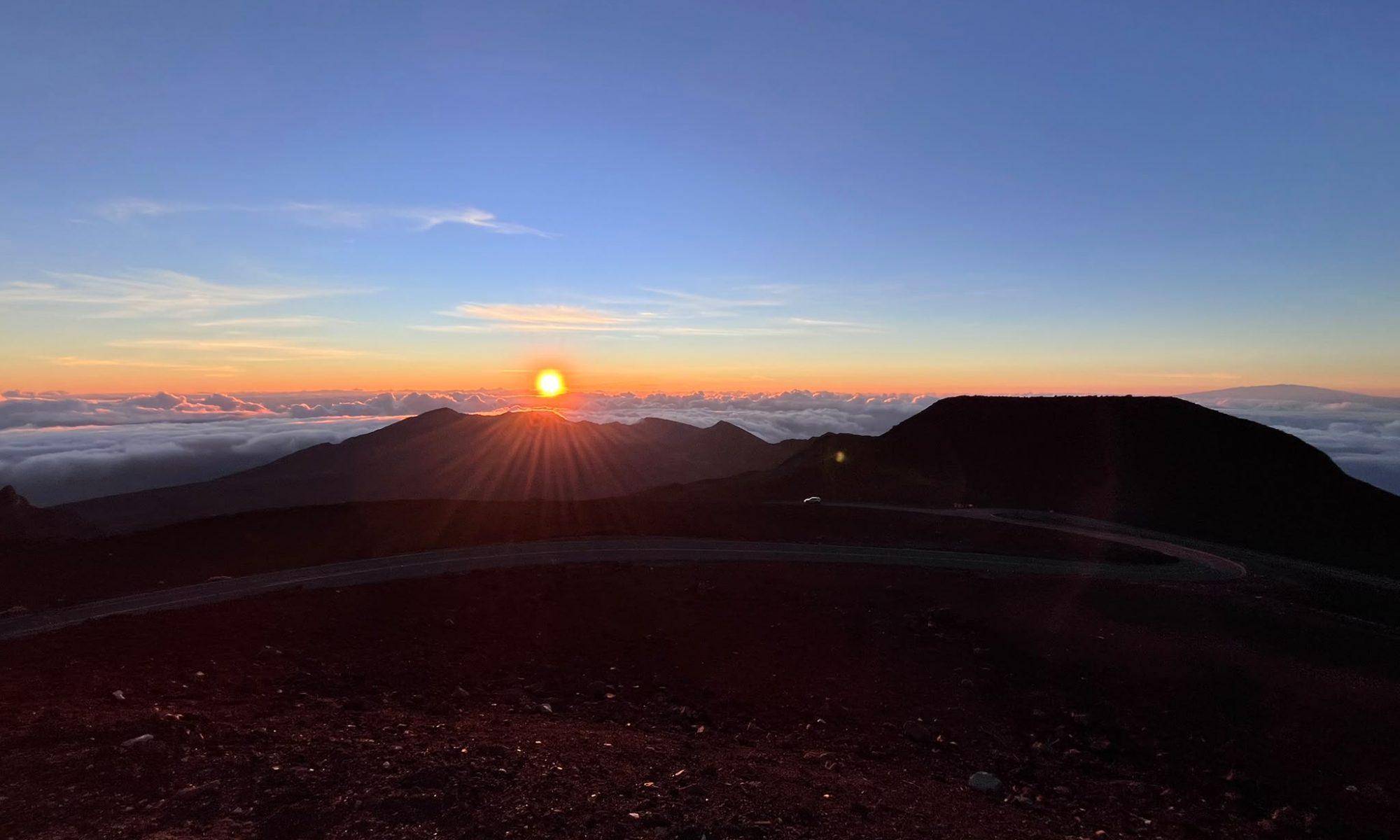
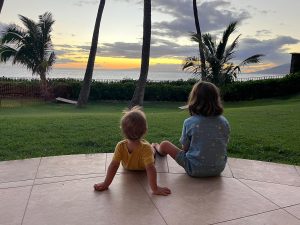
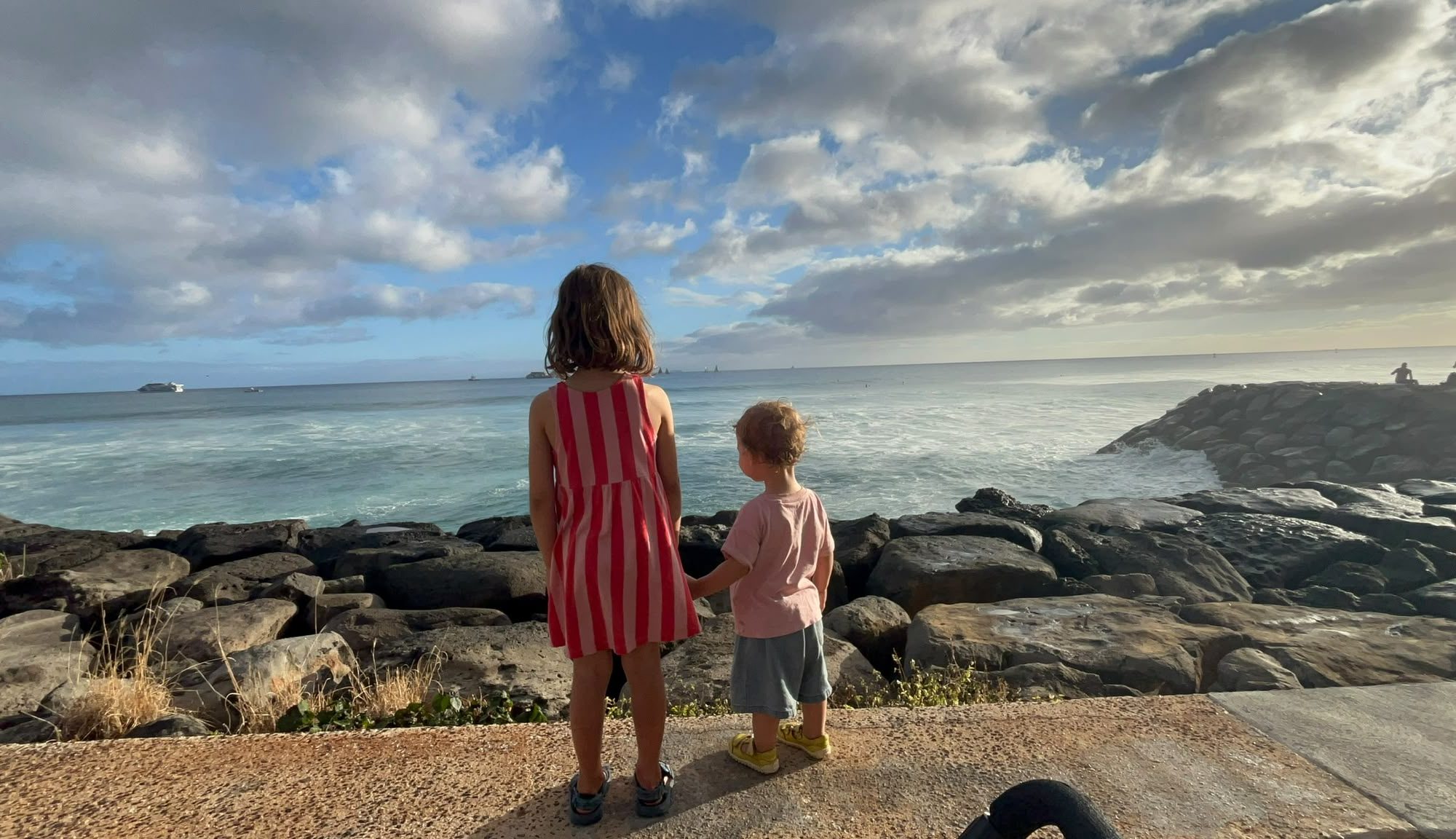
Fortunately, before the secondment started, we spent a week in Kauaʻi as a family. Partly, this was a chance to spend some time together before work commitments began, but it also provided an opportunity to start adapting to the ten-hour time difference between the UK and Hawaiʻi. Rather than trying to fight jet lag, we decided to embrace it. There are certainly worse places in the world to be awake at 3 a.m.

We filled them with sunrise beach walks, early adventures, coffee stops just after dawn and, to my daughter’s delight, regular açaí bowls. We also found ourselves catching snippets of the Tour de France on television while much of the island was still asleep. Watching professional cyclists tackle Alpine climbs while sitting in Hawaiʻi with a cup of tea was not something I had anticipated when planning a research secondment, but it quickly became part of our temporary routine.

By the time we came to Oʻahu, everyone had largely adapted. And a further 5 days of getting to know there area locally has given us the chance to establish some stability before the secondment really began.

Finding Somewhere to Live

One of the biggest challenges before departure was finding suitable accommodation. Like many visiting researchers, we had a long list of requirements that immediately reduced our options.  However, it was further complicated by Hawaiʻi’s tightening of short-term rental regulations. Though this is most certainly a positive move towards improving local housing availability for residents, it did mean we were a little short of options; caught between expensive hotels and longer-term rentals that require commitments beyond the length of a typical secondment.

We would initially be without a car. We needed reasonable access to shops and transport. We were travelling with young children. Above all, we needed somewhere safe and practical for family life.  This led to some surprisingly specific criteria.

For example, I spent far more time than expected scrutinising photographs of balconies. As parents of young children, you quickly begin assessing railings, locks and access points very differently. A balcony only becomes useful once you know it can be safely secured from a curious toddler.

The other unexpectedly important requirement was a bath. Parents of young children will understand immediately. While showers are perfectly acceptable in theory, trying to wash a slippery, wriggling toddler covered in soap is not a task to be undertaken regularly or lightly stood upright. The presence of an actual bath quickly moved from “nice bonus” to “essential requirement”.

Finding accommodation that met all these needs while remaining within budget was considerably harder than I had anticipated.
Learning How to Feed a Family Again

Once accommodation was sorted, the next challenge was food. Food in Hawaiʻi is expensive. Very expensive.

At least it certainly feels that way when you’re mentally converting prices back into pounds every time you visit a supermarket.

Before leaving the UK, we purchased a Costco membership after several people recommended it as a way of managing costs. That turned out to be one of the most useful decisions we made before departure.

Though this challenge was expected, another unexpected challenge has been balancing several competing priorities. We want to experience local food and culture. We want to try new things. We also need to feed a family for several weeks without completely destroying the budget. That has meant finding a balance between cooking at home and eating out.

There is an understandable temptation to treat every meal as part of a holiday, but the reality is that when you’re living somewhere for several weeks, practical considerations quickly become important. Sometimes the exciting local restaurant wins. Sometimes the homemade pasta wins. Most weeks involve both.

The Japanese Influence I Didn’t Expect

One aspect of Hawaiʻi that genuinely surprised me was the extent of Japanese influence throughout everyday life.

Before arriving, I expected strong American influences. What I had not appreciated was how visible Japanese culture is across food, shops and household products.

Rice features prominently in everyday meals. Rice cookers are everywhere. Japanese supermarkets, snacks and convenience foods are commonplace. Japanese appliances appear throughout homes and shops.

My son has been very happy with the abundance of rice-based food options. Meanwhile, my daughter and I have discovered a shared enthusiasm for mochi. There are also Japanese-style toilets, kitchen gadgets and household appliances that have rapidly been added to our growing list of things we would quite like at home one day, finances permitting.

Learning to Say Hawaiʻi Properly

One thing I have been trying to do throughout this experience is use the correct Hawaiian place names and terminology wherever possible. You’ll notice I write Hawaiʻi rather than Hawaii.

The symbol between the final two vowels is called an ʻokina. It represents a glottal stop and forms part of the correct spelling. The same applies to place names such as Oʻahu and Kauaʻi.

I certainly don’t get everything right. My Dyslexia can make learning unfamiliar spellings and pronunciations challenging, particularly when there are many new names being encountered simultaneously. However, I think making the effort matters. Being a visitor involves respecting local language, culture and identity, even while you’re still learning.

Working Differently

Another adjustment has been time. At home, I typically work four days per week. Here, I am working five.

The reason is simple. Opportunities like this do not come around often, and I want to make the most of every day available. Each additional day creates opportunities to learn, observe, meet people and develop collaborations.

At the same time, it has made me more conscious of family time. Even though it is only one extra working day each week, it changes the rhythm of family life. I find myself feeling a lot of pressure at the weekends. I hope to take some of this time back in lieu when I return home, but the experience has certainly reinforced how much I value time with my children.

Getting Around Without a Car

We deliberately chose not to hire a car immediately. Partly this was financial. Partly it was because I wanted to understand what daily life would genuinely be like.

For commuting, I have settled into a combination of public transport and cycling. The bus system is extensive in Honolulu and relatively easy to use through a HOLO card, while the Biki bike-share scheme has become my preferred option for travelling to and from work. The arrangement has worked surprisingly well. It gives me a practical way to build movement into the day, helps me explore the local area and provides a small amount of exercise that might otherwise disappear from the schedule.

The Things You Don’t Put in the Grant Application

Research proposals tend to focus on objectives, outputs and timelines. They usually don’t mention finding a bath. They don’t mention running through Los Angeles airport with children. They don’t mention comparing supermarkets, figuring out transport systems, working out whether a rental car is worth the expense, discovering a family passion for mochi, or trying to transport groceries home by bike.

Yet these are the experiences that shape the reality of an international secondment.

The first few weeks in Hawaiʻi have reminded me that successful research travel isn’t simply about arriving at a host institution. It is about creating enough stability in everyday life that you have the capacity to focus on the work once you get there. It has made me reflect on the support I give my own internationally visitors and maybe what else I could do to help them in this process.

I remain extremely grateful for the opportunity to be here. I know how lucky I am. I also know that relocating a family halfway around the world is hard work, even when everything goes well.

Fortunately, we are now reaching the point where routines are established, the children are settled, commuting makes sense, and Hawaiʻi is starting to feel a little less like somewhere we’re visiting and a little more like somewhere we’re temporarily calling home.

Only now does it feel as though the secondment itself can truly begin.
 

📏 Beyond the Scales: From Padded Bras to Penis Scandals -The Conversation Article

How much does body shape matter in sport? More than you might think… My latest article for The Conversation explores the surprising lengths athletes have gone to in pursuit of a competitive edge, from padded bras and aerodynamic modifications to more extreme interventions.

Its just a little run through the relationship between the body, technology, performance, and the rules that govern sport. Nice to flex my #Sport & #Anthropometry muscles again.

https://theconversation.com/from-padded-bras-to-penis-injections-how-changing-body-shape-can-give-athletes-a-competitive-edge-289535

📝 Anthropometrist’s Reflections: Alice Bullas – from Hallam to Hawai’i – Why am I spending my Summer in Hawai’i?

A Research Secondment, a Family Adventure, and a Chance to Learn

This summer, I am undertaking an international research secondment at the John A. Shepherd Research Laboratory within the University of Hawai’i Cancer Center. The placement is supported through my UK Research and Innovation (UKRI) Future Leaders Fellowship, which is funding my work to advance research and practice in anthropometry and body composition assessment.

Why Hawai’i?

The obvious question is why Hawai’i?

The John A. Shepherd Research Laboratory is internationally recognised for its work in body composition, quantitative imaging, and the development of innovative methods to assess health and disease risk. The group has been at the forefront of advancing technologies such as DXA, 3D optical body scanning, bioimpedance analysis (BIA) and AI-enabled approaches to understanding body composition and metabolic health. The laboratory also hosts one of the most comprehensive body composition research facilities in the world, working across populations from infancy through to older adulthood. 

For me, the alignment with my own research could not be stronger. My Future Leaders Fellowship focuses on advancing anthropometry, the science of measuring the human body, and improving how body size, shape and composition are assessed and applied across health, sport, ergonomics and public health settings. Many of the challenges that my team and I are working on in the UK, including 3D body scanning, methodological standardisation, body composition assessment and the translation of measurements into practical tools, are areas where this laboratory has global expertise. Spending time here provides an invaluable opportunity to learn from internationally recognised leaders, develop collaborations, and explore how complementary approaches can strengthen both our research programmes.

My connection with the group began several years before this secondment. In 2019, I travelled to the United States through the Innovate UK ICURe (Innovation to Commercialisation of University Research) programme, which supports researchers to explore the commercial potential of their work through intensive customer discovery and market engagement. During a visit to San Francisco, I was encouraged by Greg Moore from Fit3D to learn more about the work being undertaken in Hawaiʻi and to connect with the team. Later that year, I met Professor John Shepherd in person at ObesityWeek 2019 in Las Vegas, one of the world’s largest international conferences focused on obesity research, clinical practice and policy. Those early conversations ultimately laid the foundations for the secondment I am undertaking today.

A family adventure

One thing that makes this experience slightly different is that I haven’t travelled alone. I am here with my family, including our children, and that adds a whole extra dimension to planning and undertaking an international secondment. Like many academics, I have often looked at opportunities abroad and wondered how realistic they are when balanced against family life. Over the coming weeks, I plan to share not only what I am learning from the research environment but also reflections on travelling internationally for work with a family in tow: the practicalities, the challenges, the surprises and the lessons learned.

Before anyone assumes this is all work and no play, I should be honest: when an opportunity arises to spend several weeks in Hawai’i, it would be madness not to experience some of what makes these islands so special. Alongside the research, we’ve deliberately built in time to explore, spend time together as a family, and experience a part of the world that we may never have the opportunity to live in again. The secondment is first and foremost a professional opportunity, but it is also a family adventure.

This blog series will therefore serve several purposes.

I thought it would be useful to explain why I’m planning to write these blog posts in the first place. Whenever I look back on major professional experiences, I often find that the most valuable parts are not necessarily the things that make it into formal reports. They are the conversations over coffee, the unexpected challenges, the ideas sparked by chance encounters, the moments of uncertainty, and the small observations that gradually change how I think about my work. Those experiences can be incredibly influential, yet they are often forgotten once normal routines resume.

During the secondment, I’ll undoubtedly be keeping notes, diary entries and audio recordings. However, I know from experience that those tend to capture what happened rather than what it meant. Writing these blogs will give me an opportunity to pause, organise my thoughts, and reflect more deeply on what I am learning as the secondment unfolds.

This blog series will therefore serve several purposes.

The first is reflection. Research careers move quickly. New ideas emerge, conversations happen, opportunities arise, and before long many of those experiences begin to blur together. By writing regularly, I hope to create a record of not only what I do during the secondment, but also how my thinking develops along the way.

The second is accountability. I am incredibly fortunate to have this opportunity through my Future Leaders Fellowship. The fellowship represents a significant investment in my development as a researcher and future research leader. I feel a genuine responsibility to make the most of every conversation, meeting, collaboration and learning opportunity that emerges during my time in Hawaiʻi. Writing regularly will help me remain intentional about how I use this opportunity and provide a record of what I learn along the way.

The third is knowledge sharing. I hope these reflections will be useful to colleagues, students, collaborators and perhaps other researchers considering an international placement of their own. Many secondment reports focus on outputs and outcomes. Far fewer discuss the practical realities of relocating, building collaborations, balancing family life, adapting to a different culture, or navigating the inevitable challenges that arise when living and working in a new environment. If these posts can make that process feel a little more accessible, provide practical insights, or help someone else prepare for a similar experience, then they will have served an important purpose.

My focus during the secondment will be to learn as much as possible about body composition and anthropometry research, strengthen international collaborations, explore emerging technologies and approaches, and bring those lessons back to benefit our work in the UK. Put simply, I intend to squeeze every possible ounce of learning from this experience and share as much of it as I can.

Over the coming weeks, I’ll write about the research itself, the people I meet, the ideas that emerge, and the lessons I take away. I’ll also share some of the less glamorous but equally important aspects of the experience, including the realities of international travel, relocating with a family, settling into a new environment, and figuring out how to make everyday life work on the other side of the world.

At the end of the secondment, I plan to bring everything together into a final reflection on the experience as a whole: what worked well, what surprised me, what I learned, what I would do differently, and what advice I would give to anyone considering a similar opportunity.

For now, though, the adventure is still about to begin. Hawaiʻi is waiting, and I’m excited to see what the coming weeks will bring.

📢 ISAK Course Fee Update from January 2027

To continue delivering high-quality ISAK training while reflecting changes to external costs, some of our course and accreditation fees will increase for courses starting from 1 January 2027.

This update is driven primarily by the increase in ISAK membership and accreditation fees, alongside rising operational costs associated with course delivery, inflation, and the increased value of the participant vouchers we provide to the volunteer models who support our practical sessions. Anyone who has completed an ISAK course or assessment will know that our models play a vital role in the learning experience, and the vouchers they receive are thoroughly deserved.

We remain committed to transparency in our pricing. Course fees continue to include:

    • ISAK membership registration
    • Digital ISAK manual royalty fee
    • Physical ISAK manual
    • Lunch and refreshments
    • Full course tuition and assessment

Despite these increases, we continue to offer some of the most affordable ISAK courses in the UK. We are especially proud that SHU staff, students, and alumni rates remain heavily subsidised. In fact, these fees are set purely to cover direct costs such as equipment, consumables, facilities, catering, and ISAK-related charges. We do not generate income from SHU staff, student, or alumni bookings and continue to deliver these places on a cost-recovery basis to support our learning community.

We understand that any price increase can be disappointing, so we aim to be completely open about how fees are calculated. If you would like further information about the changes or how course fees are structured, please don’t hesitate to get in touch.

Updated course fees for January 2027 onwards can be found here and on the SHU Online Store.

Thank you for your continued support of our ISAK training programmes and the wider anthropometry community.

📢 We’re Hiring: Technical Specialist (Research) – Evaluation of Body Measurement Methods [CLOSES 06/09/26]

I’m excited to be recruiting for a Technical Specialist to join our UKRI Future Leaders Fellowship project Advanced Wellbeing Research Centre (AWRC) at Sheffield Hallam University.

This is a fantastic opportunity to contribute to the development of new body measurement methods to assess children’s health, working as part of a multidisciplinary research team using innovative measurement technologies and research approaches. The role is 0.6 FTE (22.2 hours per week) and funded for three years through UKRI.

We’re looking for someone who is highly organised, enjoys working with people, and is passionate about supporting high-quality research. Experience in research data collection, equipment management, data quality assurance, and working with children or participants from diverse backgrounds would be particularly valuable. More so, experience in anthropometry / DEXA / body composition/ deuterium dilution / blood sampling – but not essential as training will be provided on the specific methods and technologies used within the project.

If you, or someone in your network, would be interested in helping shape the future of child health assessment research, we’d love to hear from you. Please share with anyone who may be interested!

🔗 Find out more and apply here: https://my.corehr.com/pls/shurecruit/erq_jobspec_version_4.display_form?p_company=1&p_internal_external=E&p_display_in_irish=N&p_process_type=&p_applicant_no=&p_form_profile_detail=&p_display_apply_ind=Y&p_refresh_search=Y&p_recruitment_id=118687

Closing Date: 06-Sep-2026

#Hiring #ResearchJobs #TechnicalSpecialist #ChildHealth #Anthropometry #ResearchInnovation #UKRI #FutureLeadersFellowship #SheffieldHallamUniversity School of Sport and Physical Activity

NHANES

What is NHANES?

The National Health and Nutrition Examination Survey (NHANES) is a nationally representative U.S. health surveillance programme conducted by the National Center for Health Statistics (NCHS), part of the Centers for Disease Control and Prevention (CDC). Unlike many health surveys that rely primarily on self-reported information, NHANES combines health interviews, physical examinations, anthropometric assessments, laboratory testing, medical imaging, and body composition measurements within the same participants, providing a uniquely comprehensive picture of population health. Since becoming a continuous survey in 1999, NHANES has generated some of the most influential datasets in epidemiology, nutrition, anthropometry, obesity research, and body composition science.

Key Facts

NHANES has evolved from a series of periodic health examination surveys into a continuous national surveillance programme. Data are generally released in approximately two-year cycles and are collected using a complex multistage probability sampling design that enables findings to be generalized to the wider U.S. civilian, non-institutionalised population. To improve precision for certain analyses, selected demographic groups are routinely oversampled. Importantly, NHANES relies on direct measurement rather than self-report, making it one of the most robust population health resources available. Data collection takes place in specially designed Mobile Examination Centers (MECs), which provide standardised environments for measurements and testing. Anthropometry has been included since NHANES I (1971-1975), making the programme one of the longest-running sources of population anthropometric data worldwide.

Anthropometry and Body Composition in NHANES

Anthropometry sits at the core of NHANES and provides valuable information on growth, nutritional status, body size, adiposity, and disease risk. Core measurements include stature (height), body mass (weight), and recumbent length in infants and young children. Depending on the survey cycle, additional measurements have included waist, arm, hip, and thigh circumferences; sitting height; knee height; upper leg length; skeletal breadths; and skinfold thicknesses. Skinfold measurements, collected in selected survey cycles, were used to estimate subcutaneous adiposity and contributed to early body composition research.

A major advancement within NHANES was the introduction of Dual-Energy X-ray Absorptiometry (DXA), allowing large-scale assessment of fat mass, lean soft tissue mass, bone mineral content, and bone mineral density. Few population studies have incorporated body composition imaging at this scale, making NHANES a highly valuable resource for obesity, ageing, bone health, and sarcopenia research.

Derived Variables

Beyond direct measurements, NHANES provides a range of widely used derived variables, including:

    • Body Mass Index (BMI)
    • BMI-for-age percentiles
    • Waist-to-height ratio
    • Fat Mass Index (FMI)
    • Lean Mass Index (LMI)

These variables have informed national obesity estimates, growth references, clinical guidelines, and epidemiological research investigating relationships between body size, body composition, and health outcomes.

Accessing the Data

One of NHANES’ greatest strengths is its commitment to scientific transparency and accessibility. Most datasets are available free of charge and can be accessed without application through the NHANES data portal. Researchers can download anthropometry, DXA, nutrition, laboratory, questionnaire, and health datasets alongside detailed codebooks, procedures manuals, and analytic guidance documents. Restricted-use variables, which are not publicly released due to confidentiality concerns, can be accessed through application to the NCHS Research Data Center (RDC) with an approved research proposal.

Analysis Essentials

Researchers using NHANES should recognise that it employs a complex survey design. Appropriate analysis requires the use of sampling weights, strata variables, and primary sampling units (PSUs). When combining multiple survey cycles, adjusted combined weights must be calculated according to NCHS guidance. Researchers should also review cycle-specific documentation carefully because measurement protocols and variable availability can change over time.

Historical Milestones

The NHANES programme has developed over more than six decades:

    • NHES: 1959-1962
    • NHANES I: 1971-1975 (anthropometry formally incorporated)
    • NHANES II: 1976-1980
    • NHANES III: 1988-1994
    • Continuous NHANES: 1999-present

These repeated surveys allow researchers to monitor secular trends in growth, obesity, body composition, and health at the population level.

NHANES has contributed substantially to:

    • Obesity and growth surveillance
    • Body composition and sarcopenia research
    • Nutritional epidemiology
    • Cardiometabolic health research
    • Bone health and osteoporosis research
    • Development of CDC growth references and dietary guidance

Its integration of anthropometry, body composition, health outcomes, biomarkers, and lifestyle data within the same participants has made NHANES one of the most heavily used resources in public health and epidemiological research.

Strengths and Limitations

NHANES offers several important strengths. It provides nationally representative, objectively measured data, includes large sample sizes, offers open access to most datasets, maintains extensive documentation and methodological transparency, and contains one of the richest publicly available DXA body composition datasets available.

However, limitations should be acknowledged. Most NHANES analyses are based on repeated cross-sectional surveys, which limits causal inference. Reference values are derived from U.S. populations and may not generalise fully to other countries. Measurement protocols have evolved across cycles, requiring careful harmonisation for trend analyses. In addition, DXA participation differs across survey cycles and some body composition datasets contain cycle-dependent missing data that must be considered during analysis.

Despite these limitations, NHANES remains one of the most valuable resources available for anthropometry and body composition research. Its combination of rigorous methodology, nationally representative sampling, detailed body composition data, and unparalleled transparency continues to support advances in research, policy, and practice across nutrition, health, epidemiology, and human measurement science.

Yes. For the NHANES fact sheet, I would add a short**”Key Links and Resources”** section immediately after the Accessing the Data section and before Analysis Essentials.

Key Links and Resources

NHANES Home Page

The main NHANES website provides access to survey information, data releases, documentation, publications, questionnaires, procedures manuals, and methodological guidance (CDC, 2025).

Website: National Health and Nutrition Examination Survey (NHANES)

NHANES Data Portal

Access publicly available datasets, codebooks, questionnaires, data documentation, and analytic guidance.

Website: https://wwwn.cdc.gov/nchs/nhanes/Default.aspx

Latest Anthropometry Procedures Manual

The Anthropometry Procedures Manual provides detailed guidance on:

    • Participant preparation
    • Equipment requirements
    • Anatomical landmarking
    • Measurement protocols
    • Equipment calibration
    • Quality assurance procedures
    • Examiner responsibilities
    • Data recording procedures

The current publicly available manual is: CDC NHANES Anthropometry Procedures Manual (2021): Download Anthropometry Procedures Manual

NHANES Procedures Manuals Library

NHANES publishes manuals for many survey components, including:

    • Anthropometry
    • Body Composition
    • Laboratory Procedures
    • Blood Pressure
    • Dietary Assessment
    • Physical Activity
    • Examination Components

Website: NHANES Procedures Manuals

NHANES Analytic Guidelines

Researchers using NHANES should review the analytic guidance covering:

    • Survey weights
    • Stratification
    • Primary Sampling Units (PSUs)
    • Combining survey cycles
    • Missing data considerations

Website: https://wwwn.cdc.gov/nchs/nhanes/tutorials/default.aspx

NHANES Research Data Center (Restricted Data)

Researchers wishing to access restricted-use data may apply through the NCHS Research Data Center.

Website: https://www.cdc.gov/rdc/

NHANES Publications and Reference Data

A useful resource for locating key NHANES outputs, including anthropometric reference values and methodological reports.

Website: https://www.cdc.gov/nchs/products/index.htm

Standardisation Systems

Anthropometry and body composition science are supported by a number of complementary systems, organisations, and resources, each designed to answer different questions. Some focus on how measurements are collected, others on how growth is assessed, while others provide population surveillance data or large-scale research datasets. Understanding the purpose, strengths, and limitations of each is essential for selecting the most appropriate framework for practice, education, research, or public health applications.

The five systems highlighted below represent some of the most widely used and influential resources in anthropometry and body composition science. Together, they provide a strong foundation for understanding measurement standardisation, growth assessment, population health monitoring, and research-based discovery.

System Primary Purpose Population Main Output Key Strength
ISAK Anthropometry accreditation and standardisation Practitioners Standardised measurements and competency accreditation Measurement quality and reliability
NHANES National health and nutrition surveillance U.S. population Anthropometry, DXA, health and nutrition data Nationally representative surveillance
WHO Growth Standards Global growth assessment Children from birth to 19 years Growth standards and z-score classifications International growth monitoring
CDC Growth Monitoring U.S. child growth assessment Children and adolescents 2-20 years Growth references and percentile classifications Clinical growth assessment in the U.S.
UK Biobank Biomedical and population health research UK adults aged 40-69 years at recruitment Anthropometry, imaging, genetics, biomarkers and health outcomes Large-scale prospective research

ISAK

ISAK is fundamentally different from the other systems because it is not a dataset, surveillance programme, or growth reference. Instead, it is an international accreditation framework designed to improve the quality, reliability, and comparability of anthropometric measurements through standardised training and competency assessment. Its focus is the anthropometrist rather than the population being measured.

NHANES: Monitoring Population Health

NHANES is a national surveillance programme conducted in the United States. It combines anthropometry, body composition, laboratory testing, health examinations, nutrition assessment, and health outcomes within a nationally representative sample. NHANES provides reference data and population health statistics that underpin much of modern obesity, body composition, and epidemiological research.

WHO Growth Standards

The WHO Growth Standards were developed from healthy children living under favourable environmental conditions and describe how children should grow under optimal circumstances. They are widely used internationally for assessing growth, nutritional status, stunting, wasting, and overweight in children and adolescents.

CDC Growth Monitoring

CDC Growth Charts are growth references based on measurements collected from U.S. children. Unlike WHO standards, they are descriptive rather than prescriptive and are primarily used within U.S. healthcare. They provide percentile-based assessment tools for monitoring height, weight, and BMI from ages 2 to 20 years.

UK Biobank

UK Biobank is a large-scale prospective research cohort rather than a surveillance system or growth monitoring framework. It combines anthropometry, body composition, imaging, genetics, biomarkers, lifestyle data, and linked health records in approximately 500,000 participants. Its purpose is to improve understanding of disease mechanisms, risk factors, and health outcomes across the lifespan.

Bringing the Systems Together

Together, these five systems provide a comprehensive foundation for understanding modern anthropometry and body composition science. ISAK focuses on how measurements are collected and standardised, WHO and CDC focus on how growth is assessed and interpreted, NHANES focuses on population-level surveillance and health monitoring, and UK Biobank focuses on long-term research and disease discovery.

Understanding where each system fits within the broader landscape of human measurement science helps practitioners, educators, and researchers select the most appropriate methods, datasets, standards, and frameworks for their specific objectives, while also appreciating how these systems complement one another.

💡 Tech Spotlight: Heges

Discover how Heges is making 3D scanning more accessible by transforming LiDAR-enabled mobile devices into powerful tools for creating detailed digital models.

Essential Information at a Glance

Feature Information
Technology Smartphone-based 3D scanning app
Company/Developer Marek Simonik
First Released Available on the Apple App Store since at least 2018 (based on App Store history)
Still Available? Yes, available via Apple’s App Store at the time of writing.
Website Heges Official Website
App Store Heges on Apple App Store
Platform iPhone and iPad
Compatible Devices Devices with FaceID (TrueDepth camera) and/or LiDAR sensor.
Purpose General 3D scanning
Designed for Human Body? Partially. Can scan people but was not developed specifically as a medical or anthropometric device.
Designed for Objects? Yes. Objects are a major intended use case.
Outputs STL, OBJ, PLY, USDZ, GLB files.
Privacy Developer states data remain on device unless users choose to share it.
Cost Free download but 3D scanning functionality requires a paid upgrade. Exact pricing may vary by region.
Intended Market Consumers, hobbyists, developers, educators and researchers.
Research Validation Limited evidence specifically for Heges in anthropometry.

What is Heges?

Heges is a mobile 3D scanning application that turns compatible iPhones and iPads into portable scanners. It uses Apple’s built-in depth-sensing cameras to create three-dimensional digital models of people, objects and environments.

Unlike traditional body scanners that can cost thousands of pounds, Heges uses hardware already present in many modern Apple devices. This makes it one of the most affordable ways to access 3D scanning technology.

The app allows users to export scans into several industry-standard formats which can then be analysed in external software.

Who Created Heges?

Heges was developed by Marek Simonik, an independent software developer. The project originally focused on making use of Apple’s TrueDepth and LiDAR technologies for low-cost 3D scanning. The app became popular because it provided access to 3D scanning without requiring specialist hardware.

How Does Heges Work?

Heges can use two different sensors:

TrueDepth Camera (FaceID): This is the front-facing camera used for FaceID authentication. The Heges developer states that the TrueDepth camera provides the most accurate scans and can capture very fine surface detail.

LiDAR: LiDAR is located on newer iPhone Pro and iPad Pro models.The developer recommends LiDAR for scanning large objects, rooms and spaces rather than highly detailed body measurements. Interestingly, the developer states that TrueDepth is substantially more accurate than LiDAR for fine-detail scanning.

Can Heges Be Used for Anthropometry?

The short answer is yes, but with caution. Heges can create a digital 3D model of the body. From that model it is possible to estimate:

    • Circumferences
    • Lengths
    • Breadths
    • Body shape
    • Surface contours
    • Body volume

However, Heges itself does not automatically perform anthropometric analysis. Additional software is usually required. For anthropometrists, Heges should currently be viewed as a 3D capture tool rather than a complete anthropometric assessment platform.

What Does the Research Say?

At present, there appears to be very little peer-reviewed literature specifically evaluating Heges for anthropometric accuracy, validity or reliability.

That means we currently lack evidence showing:

    • How accurately Heges measures body circumferences
    • Whether Heges agrees with ISAK measurements
    • Whether Heges agrees with DXA body composition
    • Whether different operators obtain similar results

This does not mean Heges is inaccurate. It means the evidence is currently limited.

Strengths

✅ Extremely accessible

✅ Portable

✅ Low equipment costs

✅ Digital record of body shape

✅ Can be used for both people and objects

✅ Multiple export formats

✅ Privacy-focused approach according to developer statements.

Limitations

❌ Not designed specifically for anthropometry

❌ Limited peer-reviewed validation

❌ No published evidence showing ISAK equivalence

❌ No published evidence showing body composition validity

❌ Accuracy affected by movement, posture, clothing and scanning technique

❌ Requires compatible Apple devices.

Tech Spotlight Verdict

Heges is best viewed as an accessible entry point into 3D scanning rather than a replacement for traditional anthropometry or validated body composition methods.

For researchers, students and practitioners interested in exploring digital anthropometry, it offers a low-cost way to experiment with body scanning. However, until more peer-reviewed validation studies become available, measurements obtained through Heges should be interpreted cautiously when used for research or clinical decision-making.

Tech Spotlight Score

Category Rating
Accessibility ⭐⭐⭐⭐⭐
Cost Effectiveness ⭐⭐⭐⭐⭐
Ease of Use ⭐⭐⭐⭐
Research Validation ⭐⭐
Anthropometric Utility ⭐⭐⭐
Body Composition Utility ⭐⭐
Innovation ⭐⭐⭐⭐⭐

Further Information

For future Tech Spotlight articles, I’d recommend using the same comparison table above (history, cost, availability, privacy, evidence, outputs, validation, intended use, anthropometry suitability, body composition suitability, strengths, limitations). It will make the whole series feel consistent and allow readers to compare technologies side-by-side.

BEYOND THE SCALES BLOG: Beyond BMI – Why Getting Measurement Right Matters for Health Equity

I was recently featured on ITV Calendar News (9:50 onwards) discussing concerns around Body Mass Index (BMI). As is often the case with broadcast interviews, only a short clip made it to air. But the issue deserves more space, because how we measure bodies directly shapes how we understand health -and ultimately how we care for people.

BMI is simple – but people aren’t

BMI is often treated as a definitive measure of health. In reality, it’s a very basic calculation: weight divided by height squared. That simplicity is both its strength and its biggest limitation.

At a population level, BMI can be useful. It helps us track broad trends and understand how obesity is changing across society. When used correctly, it gives policymakers a quick, standardised way to monitor public health.

But people aren’t averages.

When we apply BMI to individuals – particularly when we’re trying to understand personal health risk or track changes over time – it becomes much less reliable. Human bodies are complex. They vary in muscle mass, fat distribution, bone density, and metabolic risk. Trying to capture all of that in a single number is, quite simply, an oversimplification.

The problem is even greater across different ethnic groups

This limitation becomes even more significant when we consider ethnicity.

There is strong evidence that people from Black, South Asian and some other ethnic groups are more likely to store fat around vital organs – sometimes called central adiposity. This type of fat distribution is associated with a higher risk of conditions like type 2 diabetes and cardiovascular disease.

Crucially, this risk can occur at lower BMI levels than in White populations.

This isn’t new knowledge. It has been recognised for years by organisations such as the World Health Organization (WHO) and the UK’s National Institute for Health and Care Excellence (NICE). That’s why guidance recommends using lower BMI thresholds for people from these groups – typically around 2.5 kg/m² lower than standard thresholds.

If we don’t apply these adjusted thresholds, we are not measuring people accurately. And if we’re not measuring properly, we can’t care properly.

The result? Health risks are missed, diagnoses are delayed, and existing health inequalities are widened.

A recent data issue highlights the real-world consequences

These concerns have recently come into sharp focus, following a report from Nesta. They highlighted he latest Health Survey for England (2022) – published in 2024 – still relied on older NICE guidance that did not differentiate BMI thresholds by ethnicity. This risks systematically underestimating obesity prevalence among minoritised ethnic groups and, in turn, underestimating the true scale of health inequalities.

This example shows how small methodological decisions – like which thresholds we apply – can have very large consequences.

When large groups of people are misclassified or overlooked, it distorts our understanding of population health. It also risks misdirecting resources and reinforcing inequalities that already exist within the healthcare system.

This is a clear example of why measurement matters – not just scientifically, but socially and ethically.

Is BMI still useful?

Given all of this, a natural question follows: should we still be using BMI at all?

My view is that BMI is not the future of healthcare – but for now, it remains one of the most practical tools we have at scale.

It is quick, low-cost, and widely understood. That makes it valuable in large systems like the NHS, where consistency and efficiency matter.

But the key is using it correctly.

That means:

  • Applying the right thresholds for different populations
  • Understanding its limitations rather than treating it as definitive
  • Avoiding weight-stigmatising language, behaviours, and processes
  • Ensuring our approaches work for people from all backgrounds, cultures, religions and abilities

BMI should be a starting point – not the whole story.

Looking beyond BMI: the future of measurement

My research focuses on developing better ways to measure the body.

We now have access to emerging technologies that allow us to capture body size and shape in far greater detail – particularly through approaches like 3D imaging. These methods can help us understand not just how big a body is, but how it is composed and where fat is distributed.

That matters, because distribution – not just total weight – is closely linked to health risk.

The aim is to move towards more precise, personalised, and equitable measures of health. Measures that reflect real human diversity, rather than forcing everyone into a single, blunt category.

However, this kind of research takes time.

What we must do now

While we work towards better systems, there are practical steps we can take immediately:

  • Use the correct, evidence-based BMI thresholds for different ethnic groups
  • Combine BMI with other measures (such as waist-to-height ratio) where possible
  • Prioritise inclusive, non-stigmatising approaches to weight and health
  • Design healthcare systems that work for diverse populations, not just the majority

In short, we need to use BMI carefully now, while we build something better.

A final thought

BMI was never designed to capture the full complexity of human health – and it doesn’t.

But when used thoughtfully, and alongside other tools, it can still play a role.

The real challenge is not just improving measurement. It’s ensuring that how we measure people doesn’t exclude, misrepresent, or disadvantage them.

Because ultimately, better measurement isn’t just about better data – it’s about fairer care for everyone.

SHU PhD Opportunity: Child 3D Body Composition Methods (18/05/26)

SHU Funded PhD Opportunity: Validating 3D Child Body Composition: Agreement, Bias, Equity & Correction.

We’re pleased to share a fully funded Transforming Lives PhD scholarship at Sheffield Hallam University. This project focuses on an exciting and fast‑growing area: checking how accurate and fair 3D body composition methods are for children, and developing ways to improve them.

As 3D imaging becomes more common in health, sport, and research, it’s essential that these tools work well for all children. This PhD offers the chance to make a real difference to future health assessment.

APPLICATION DEADLINE 18th May 2026.

Why This Project Matters?

Traditional ways of measuring children’s body composition (like skinfolds or waist circumference) can take time, feel intrusive, and aren’t always consistent. 3D body scanning is quicker, non‑contact, and easier to use – but we still need to understand:

  • How accurate is it for children?
  • Does it work the same for different ages, ethnicities, and body types?
  • Could hidden biases affect results?

Your research will help answer these questions and guide how 3D methods are used in healthcare, research, and future growth monitoring.

What You Will Study?

In this PhD, you will:

  • Compare 3D body composition estimates to established “gold‑standard” methods
  • Explore where errors or bias might occur
  • Examine whether models built for adults work for children
  • Study how factors like age, sex, ethnicity, and body size influence accuracy
  • Develop ways to correct or improve prediction models

Your findings will help make digital measurement fairer, more accurate, and more useful for children.

Who We’re Looking For?

This PhD is a great fit for people with backgrounds in: Health sciences, Biomedical sciences, Sports and exercise science, Nutrition, Psychology, Data science or digital health, Engineering, Physiology or a related field.  If you care about improving child health, enjoy working with data, and are interested in new technologies, this could be the ideal project for you.

Find full details here:  https://www.findaphd.com/phds/project/transforming-lives-phd-scholarship-sheffield-hallam-university-validating-3d-child-body-composition-agreement-bias-equity-and-correction/?p194831

APPLICATION DEADLINE 18th May 2026.

If you’re motivated to explore digital health, fairness, and innovation in child measurement, we’d love to hear from you – so please get in contact.

add_filter( ‘the_content_more_link’, ‘wpsites_read_more_link’ );
function wpsites_read_more_link() {
return ‘‘;
}

SHU PhD opportunity: Child Shape Phenotypes & Health (18/05/26)

SHU Funded PhD Opportunity: Child Body Shape Phenotypes & Health Risk Prediction.

We are excited to share a fully funded SHU Transforming Lives PhD scholarship opportunity at Sheffield Hallam University, focusing on an area of research that is both urgently needed and full of potential for real‑world impact: Child body shape phenotypes and their role in predicting future health risk.

This project sits within the School of Sport and Physical Activity and the wider Advance Wellbeing Research Centre – a vibrant environment where researchers work at the intersection of health, human measurement, digital innovation and applied science.

APPLICATION DEADLINE 18th May 2026.

Why This Research Matters?

Childhood obesity and related health conditions remain one of the most pressing public health challenges of our time. Yet, the way we assess children’s size and growth has barely evolved in decades.

Traditional measures such as BMI are widely used, but they do not capture differences in body shape, fat distribution, or proportionality – factors increasingly recognised as crucial for understanding health risk more accurately. Children with the same BMI can have very different body shapes and, subsequently, very different health trajectories. This PhD seeks to change that.

By exploring how body shape phenotypes – not just size – relate to health outcomes, this research has the potential to:

  • Improve early identification of children at risk
  • Inform better screening tools in healthcare and schools
  • Support targeted interventions
  • Enhance growth monitoring guidelines
  • Shape future national and international standards

Ultimately, this is a project with the capacity to change lives, ensuring children receive fairer, more accurate, and more personalised assessments of wellbeing.

What will the PhD Will Explore?

As the doctoral researcher, you will investigate:

  • How child body shape and proportionality differ across populations
  • The relationship between body shape phenotypes and indicators of health risk
  • How new technologies (such as 3D body scanning and digital anthropometry) can enhance child growth assessment
  • Whether combining traditional measurements with shape‑based phenotypes improves the prediction of future health.

Who Should Apply?

This studentship is ideal for applicants with backgrounds in: Public health, Health sciences, Sports and exercise science, Nutrition, Psychology, Biomedical sciences, Data science, Physiology or related fields. 

We welcome applicants who are passionate about improving child health, curious about the drivers of health inequality, and eager to develop strong research expertise in anthropometry, measurement science, and applied health methods.

Full details, including eligibility, project description and application process, can be found here: https://www.findaphd.com/phds/project/transforming-lives-phd-scholarship-sheffield-hallam-university-child-body-shape-phenotypes-and-health-risk-prediction/?p194832

APPLICATION DEADLINE 18th May 2026.

If you’re motivated to improve child health, passionate about high‑quality measurement, and excited by the chance to work on a project that genuinely makes a difference, we’d love to hear from you – so please get in contact.

📏 Beyond the Scales: UK Voices Against Weight Stigma (World Obesity Day ’26)

Each World Obesity Day (March 4th) is a reminder that we need to keep rethinking how we talk about and respond to obesity. This blog brings together key UK organisations and influential voices working to reduce weight stigma and ensure lived experience is at the heart of change.

A major milestone in this area is the International Consensus Statement and Pledge to Eradicate Weight Stigma, led by King’s College London and endorsed by over 100 organisations. It shifts the focus away from personal blame and highlights the biological, environmental, and social factors that contribute to obesity. The pledge calls for respectful language, non‑stigmatising imagery, and stronger advocacy across public systems.

The Obesity Health Alliance (OHA) brings together more than 60 organisations committed to stigma‑free, equitable, person‑centred care. Their work recognises how harmful stigma can be—and how often it prevents people from seeking support. The British Dietetic Association (BDA)  also plays a vital role, providing practical guidelines for person‑first language and the use of non‑dehumanising imagery, which is especially important given how commonly stigma is experienced in healthcare settings.

Across the UK, public‑facing resources are growing too. Food Active’s Weight Stigma Resource Hub  offers accessible tools and examples for practitioners and local authorities, challenging the idea that obesity is just a matter of personal choice and helping shift public understanding. At the same time, patient and public involvement (PPI) initiatives like Obesity Voices  ensure people with lived experience have genuine influence over research, policy, and practice.

Several key individuals are also helping reshape national conversations. Sarah Le Brocq, Founder of All About Obesity CIC, is one of the UK’s leading advocates. She blends lived experience with scientific insight and national policy roles at NICE, NHSE, and the OHA. Her work reframes obesity as a chronic condition rather than a personal failing.

Ken Clare, Chair of the UK Coalition for People Living with Obesity (UKCPO) and co‑founder of Obesity Voices, is another long‑standing lived‑experience leader. He champions peer‑led communities and ensures that those most affected are shaping services, research, and strategy.

Scientific communicators such as Dr Giles Yeo, a genetics expert, also play an important role by challenging the “choice” narrative and promoting compassion grounded in evidence. And Dr Stephanie DeGiorgio  works nationally to improve how healthcare professionals communicate about obesity, strengthening scientific understanding and reducing stigma in clinical settings.

Together, these organisations and individuals signal a positive shift in the UK – away from stigma and towards evidence‑based, compassionate, and inclusive approaches. On World Obesity Day, it’s more important than ever to amplify these efforts, challenge outdated assumptions, and ensure that every voice is heard, respected, and valued.

Written by Dr Alice Bullas, Sheffield Hallam University.

Edited by Co-Pilot AI (University Enterprise License).

Image: Wold Obesity

📏 Beyond the Scales: AnthroEngineering – why measurement alone is no longer enough

Anthropometry has long provided a way of describing human size, shape, and proportion. Traditionally, its outputs have been datasets, reference values, and population summaries – useful for comparison, surveillance, and classification. Increasingly, however, anthropometric data is no longer an endpoint. It is passed directly into engineering and design processes, shaping physical systems that people must wear, use, or interact with. It is this transition – from measurement to design decision – that sits at the heart of anthropometric engineering.

Berthaume and Kramer have argued that the sustained integration of anthropology and engineering has reached a point where it can no longer be treated as a temporary collaboration or methodological tool. Instead, they propose anthroengineering as an independent interdisciplinary field, focused on translating biological knowledge into engineered solutions. Their argument resonates strongly with current uses of anthropometry, particularly in applied and sports contexts.

Where anthropometric engineering is already at work

In general engineering, anthropometric data informs decisions about fit, clearance, reach, and interface geometry. Examples include seating systems, vehicle interiors, personal protective equipment, and medical devices. In each case, engineers must decide how much body variability to accommodate, which dimensions matter most, and what happens when users fall outside expected ranges. These are not measurement problems alone – they are design and risk decisions built on anthropometric assumptions.

In sports engineering, this translation is even more explicit. Body dimensions influence: equipment sizing and adjustment ranges, load distribution in protective gear, interface pressures at points of contact, and the balance between performance optimisation and injury risk.

Here, anthropometric data is rarely used in isolation. It interacts with biomechanics, materials science, and performance demands. Anthropometric engineering provides a way of framing that interaction, recognising that the same measurement can have very different implications depending on how it is operationalised within a system.

How anthroengineering differs from human factors

Anthropometric engineering is often conflated with human factors or ergonomics, but the distinction is important. Human factors focuses on human–system interaction, prioritising usability, safety, cognition, and behaviour within complex environments. It is typically concerned with how people use systems. Anthropometric engineering, by contrast, is concerned with how bodies are represented within engineered models. Its emphasis is upstream of interaction: on how measurements, structural variation, and biological constraints are translated into design parameters, tolerances, and constraints. Both fields overlap and inform one another, but their starting points differ. Anthropometric engineering is less about user experience and more about biological realism in design logic.

Anthropometry as a tool – not the whole process

Critically, this framing reminds us that anthropometry itself is not anthroengineering. Anthropometry provides the raw material: measurements, distributions, and error characteristics. Anthropometric engineering begins when those data are interpreted and embedded within engineered systems. This distinction matters methodologically. A highly reliable measurement protocol does not guarantee appropriate design use. Percentiles, means, and reference values may obscure multidimensional relationships, dynamic movement, and task‑specific demands. Once measurements are converted into fixed geometries or adjustment limits, their embedded assumptions become difficult to detect – or challenge.

Anthropometric engineering therefore requires practitioners to engage not only with how bodies are measured, but with how measurement uncertainty, population diversity, and biological variability are handled downstream.

Why this matters now

As digital human models, automated body scanning, and data‑driven design become routine, anthropometric data is increasingly abstracted from its measurement context. Berthaume and Kramer’s call to recognise anthroengineering as a field highlights the need for methodological literacy across disciplinary boundaries.

For applied anthropometry, this is an opportunity. By engaging explicitly with engineering translation – not just data collection – anthropometrists can play a more active role in shaping the systems built around real human bodies.

For more information about our research and work in Anthropometry please contact Dr Alice Bullas (a.bullas@shu.ac.uk), or visit our research website: https://research.shu.ac.uk/shusize/. A copy of this post is also available at www.engineeringsport.co.uk.

Reference

Berthaume, M. A. & Kramer, P. A. (2021). Anthroengineering: an independent interdisciplinary field. Interface Focus, 11(5), 20200056.

📏 Beyond the Scales: England’s latest NCMP results: what the 2024/25 data tells us about children’s growth, health and the environments shaping it

Released in November 2025, the National Child Measurement Programme (NCMP) provides one of the most detailed insights into children’s growth across England. This summary outlines the latest findings and their implications for families, schools, and communities.

What is the NCMP – and why does it matter?

Every year, trained teams record the height and weight of Reception (ages 4–5) and Year 6 (ages 10–11) pupils in state-maintained schools. These measurements are used to calculate BMI centiles, supporting the monitoring of population-level trends in growth and body size. In 2024/25, 1,145,893 children were measured, achieving a 94.1% participation rate and providing a strong national overview.

While BMI is not a perfect measure for individuals, NCMP uses established centile cut-offs to monitor population patterns and inequalities, complementing other health surveys. According to OHID, population monitoring applies centiles to identify children at higher risk of entering clinically defined categories later, without assigning labels or diagnoses.

The headlines

The majority of children measured are within a healthy weight range: 75.4% in Reception and 62.2% in Year 6. At the same time, 10.5% of Reception children and 22.2% of Year 6 children are living with obesity – with severe obesity at 2.9% and 5.6%, respectively.

Compared to recent years, Reception shows a concerning uptick: excluding the pandemic peak, 2024/25 records one of the highest Reception obesity rates since measurements began. Year 6 obesity remains higher than pre‑pandemic levels and has not returned to earlier lows.

Participation is slightly higher than last year, strengthening confidence in these concerning trends.

It’s common to see higher obesity prevalence in Year 6 than Reception. Several factors contribute: cumulative exposure to environments that make nutritious choices harder, changes in physical activity opportunities as children get older, and transitions in school routines and food options. The NCMP trend charts show that while Reception prevalence hovered around 9–10% pre‑pandemic (with a spike in 2020/21), 2024/25 has ticked up to 10.5%, and Year 6 remains elevated at 22.2%.

Understanding BMI distributions (not just category cut‑offs) helps. OHID’s analysis shows shifts in the whole distribution, not only at the tails – evidence that population‑level drivers, rather than individual behaviours alone, are at play.

Inequalities: the gap is still wide – and in some places widening

Children living in the most deprived areas continue to face far higher risks. In Reception, obesity prevalence is 14.0% in the most deprived areas versus 6.9% in the least; in Year 6, it’s 29.3% versus 13.5%. The deprivation gap has widened compared with the early years of the programme.

Differences by ethnic group persist: the report highlights higher obesity prevalence among children from Black ethnic groups, and higher underweight prevalence among some South Asian groups (for example, Indian). These patterns reflect complex intersections of culture, food environments and socioeconomic circumstances.

Geographically, local authorities and regions vary – underlining the importance of local planning and targeted action. (OHID’s Fingertips profile is updated so councils and ICBs can explore their area’s trends over time.)

Should we trust the NCMP data?

NCMP is a powerful dataset, but it isn’t perfect. BMI centiles do not capture body composition or fat distribution – that’s a key reason researchers and clinicians explore complementary measures like waist‑based indices; still, those are better suited to clinical research than school settings. For population‑level monitoring, NCMP remains the most comprehensive, consistent system we have at the moment.

What does this mean for children and families?

Numbers can feel abstract. What matters is supporting every child to grow and thrive in nurturing environments. It is important to remember:

  • Children are growing within diverse bodies. A single metric doesn’t define a child’s health, identity or potential. NCMP is designed for population monitoring, not individual diagnosis; families should be offered supportive, stigma‑free conversations when results are shared.
  • The environments around children shape choices. Food availability, marketing, price promotions and the density of fast‑food outlets influence what’s on offer on the walk to school and at the end of a busy day. Policy groups like Nesta emphasise that focusing solely on “healthy food literacy” without changing the wider environment is unlikely to shift population trends.
  • Health is multifaceted. It’s shaped by more than BMI – factors like access to nutritious food, opportunities for physical activity, air quality, housing, mental wellbeing, and community safety all play a role.
  • Use NCMP letters as a conversation starter, not a label. If you receive results, ask for supportive guidance from school nurses or your GP. The aim is to promote wellbeing – sleep, food, movement and mental health – without stigma.

What helps – and where should effort focus?

As, child health challenges remain concentrated in the most deprived communities, and the modest progress seen in Reception in recent years has not been sustained – this year’s data shows those gains have reversed. Many, including the Obesity Health Alliance, are calling for comprehensive, system‑level action – not blame or shame. Such action would address the broader structures and environments that influence health, rather than focusing only on individual behaviour;

  • Food environment regulation: Restricting marketing of high‑fat, salt and sugar foods to children (including online and in-store promotions).Setting nutritional standards for school meals and out‑of‑school food provision.
  • Urban planning and transport: Designing walkable, safe streets and green spaces to encourage active travel and play. Improving access to affordable sports and recreation facilities.
  • Economic and policy levers: Subsidising healthy foods and reviewing price promotions that make less nutritious options cheaper. Supporting families through benefits and cost‑of‑living measures that reduce food insecurity.
  • Education and community support: Embedding health and wellbeing into school curricula without stigma. Co‑designing culturally sensitive weight management and wellbeing services with families.
  • Cross‑sector collaboration: Aligning health, education, housing and transport policies so they work together to create healthier environments.

The 2024/25 NCMP data is a call to support children with person‑centred care and to reshape environments so that healthy growth is the default – everywhere, for everyone. The evidence is clear; consistent, community‑led action without stigma is needed.

Key take‑away messages

  • Most children in England are within a healthy weight – 75.4% in Reception and 62.2% in Year 6 – but obesity affects 10.5% and 22.2%, respectively, with severe obesity at 2.9% and 5.6%.
  • Reception obesity has risen in 2024/25, marking one of the highest rates outside the pandemic peak; Year 6 remains above pre‑pandemic levels.
  • Inequalities are stark: children in the most deprived areas are about twice as likely to be living with obesity as those in the least deprived areas (Reception 14.0% vs 6.9%; Year 6 29.3% vs 13.5%).
  • Differences by ethnic group persist, underscoring the need for culturally informed, person‑centred support and equitable environments.
  • Population‑level drivers matter. Changing the wider food and activity environment is more effective than relying on education alone.
  • NCMP remains a critical tool for local planning, with 94.1% participation providing robust evidence to guide action.
  • NCMP data is a tool for action – not for stigma.

by Dr Alice Bullas (December 2025)

VOLUNTEER MODELS NEEDED: (£45 Shopping voucher) 28/11/25 12:00-15:00, AWRC Sheffield

At the end of November, at Hallam’s Advanced Wellbeing Research Centre (AWRC) in Attercliffe, we are holding a body measurement training course. On the final day of the training (28th November) there will be an assessment in which course attendees are required to measure 3 models each. Doing so will allow us to assess their precision.  However, we need volunteers (aged 18 year+) to participate as these models.

The session will last ~ 3 hours (12:00-15:00) and each model will receive a £45 Shopping voucher. You will be have a series of body measures (a video of these measures can be found here) taken using tape measure and callipers. Each measurement session will take ~15 minutes and you will be measured no more than 6 times. You will be required to wear form fitting non compressive clothing. If you do not have suitable clothing we can provide some. We would also recommend that you bring some loose clothing to wear on top in between measurement sessions, again if you do not have suitable clothing we can provide some.

If you are interested in volunteering please contact Dr Alice Bullas (a.bullas@shu.ac.uk). Or if you know of somebody else that might be interested, please share this opportunity with them.

November 2025: SHU ISAK level 1 accreditation & re-accreditation training course

SHU School of Sport & Physical Activity & the AWRC to hold ISAK Level 1 CPD training in November 2025 (26 – 28/11 09:00 – 17:00). This course will teach an understanding of the theory of anthropometric applications through asynchronous online content (received 2 weeks ahead of practical sessions) and in person practical sessions over consecutive days.

During the final day you will undergo a practical examination in which your inter and intra anthropometrist error will be assessed. After the course you are required to collect 20 anthropometric profiles, achieving appropriate intra anthropometrist error, to achieve ISAK accreditation.

Once accredited, the ISAK certificate is valid for 4 years, after which point you can undertake re-accreditation at the same level or complete a full course at a higher level.

This course is an official ISAK registered course and is delivered by an ISAK accredited level 3 instructor, and anthropometry specialist in the Morphology Research Theme, Dr Alice Bullas.

The cost of this course includes the training course, ISAK membership registration, digital ISAK manual royalty fee, a physical ISAK manual, lunch and refreshments each day.

SHU student/staff/alumni will receive a large discount.

If you are interested in ISAK Level 2, please get in contact – as this will only be provided if there is enough demand. This would be costed at External: £550, Student*: £400, SHU staff* / alumni*: £350, SHU student: £325.

ISAK LEVEL 1 (External: £450, Student*: £300, SHU staff* / alumni*: £250, SHU student: £225).

This ISAK level 1 course is designed for those required to collate a restricted profile of anthropometric measurements and skinfolds: 4 base measures, 8 skinfolds, 6 girths and 3 bone breadths. BOOK HERE

RE-ACCREDITATION (External: £155, Student*: £130, SHU staff* / alumni*: £130, SHU student: £110).

This course is the re-accreditation (one day examination) for the ISAK level 1 and 2 course. This consists of a three-subject practical exam in which Inter-tester TEM targets (of 12.5% for each skinfold and 2.5% for each of the other measures), must be met. This is an in person practical examination session over 1 days (typically 9:30am – 5:00pm). BOOK HERE

*Proof of Student ID/Staff ID/Graduation Certificate Required.

ABOUT ISAK:

ISAK, the International Society for the Advancement of Kinanthropometry, is a global organization that sets standards for the measurement of the human body in relation to movement, health, and performance. Kinanthropometry focuses on body composition, size, shape, and proportionality, and ISAK plays a key role by providing a standardized framework for how these measurements are taken and interpreted. Through internationally recognized accreditation courses, ISAK ensures that practitioners—such as sport scientists, physiotherapists, and nutritionists—collect accurate, reliable, and consistent anthropometric data.

The importance of ISAK lies in its ability to unify and professionalize measurement practices worldwide. Accurate anthropometric assessment is essential for evaluating athletic potential, monitoring training adaptations, tailoring nutrition programs, and identifying health risks linked to obesity or undernutrition. By maintaining strict methodological standards, ISAK enhances comparability across studies and applications, ensuring data is scientifically valid. This supports evidence-based decision-making in sports performance, talent identification, physical education, and clinical health. Ultimately, ISAK provides the foundation for trustworthy anthropometric research and practice, advancing both science and applied health fields globally.

ADDITIONAL INFO:

Candidates whose previous accreditation has expired for more than two years are ineligible for re-accreditation, unless there is a medically-certified reason for their not having been able to re-accredit within that entire period. In the absence of that, these candidates must redo the complete Level 1 course if they wish to regain their accreditation.

No candidate can be admitted to a re-accreditation workshop if any unresolved disciplinary or administrative issue exists between them and ISAK. Therefore, it is compulsory for the candidate to contact the ISAK Secretariat to confirm approval for reaccreditation ahead of booking onto this course. This email confirmation should then be forwarded to the course leader – Dr Alice Bullas (a.bullas@shu.ac.uk).

Certification will only be issued after: Successful participation in an anthropometry course (at Level 1) containing theory and practical components as specified in the Level 1 curriculum. Successful demonstration of landmarking, equipment manipulation and measurement of the Restricted Profile in front of a Level 3 or Level 4 Anthropometrist. Successful completion of a practical examination (80% minimum) in the presence of a Level 3 (Instructor) or Level 4 (Criterion) Anthropometrist.

The examination will consist of the measurement of a sample set of 10 variables from the Restricted Profile on 3 subjects. The 10 variables of the exam must include: 1 base measure, 5 skinfolds, 3 girths and 1 bone breaths. To score points for a variable, the intra-tester % TEM in the practical exam must be no more than 10% for skinfolds and no more than 2% for the other measures. To score points for a variable, the inter-tester %TEM between the criterion and the technician, using the same equipment, must be no more than 12.5% for skinfold measures and no more than 2.5% for the other measures (Table 1).Successful post-course completion of repeat measures of the Restricted Profile on 20 subjects, where a subject is landmarked once and then duplicate or triplicate measures are taken, as required. All variables of the Restricted Profile are to be measured on each of the 20 subjects. [This must be done by measuring the entire proforma once, then the entire proforma a second time, then taking third measures where needed.]

Within-course Post-course profiles 15 tester %TEMs for the duplicates must not exceed 7.5% for any skinfold nor 1.5% for any of the other measures. The authenticity of the measurement session(s) and original data sheets must be certified by the candidate. The authenticity and adequacy of those measurements are matters for the Examiner to determine. Note: Level 1s have 4 months from the date of their practical examination to submit their 20 proformas through ISAK Metry software.

Certification expires four years and four months from the date of the practical
examination.

100% Refunds available up to 14 days before the course start date (26/11/25).
50% Refunds available up to 7 days before the course start date (26/11/25).

If you are interested in attending, or have any questions please get in contact with Dr Alice Bullas

CALL FOR PAPERS (DEADLINE EXTENDED FEB’26) – Applied Sciences Special Issue: Novel Anthropometric Techniques for Health and Nutrition Assessment

Looking to publish research in anthropometry? We are looking for papers (deadline 31/12/24 – EXTENDED TO FEBRUARY 2026) on: the validity of anthropometric indices in health and nutritional screenings, novel anthropometric indices and techniques, applications of anthropometry for physical performance assessment, and association of anthropometry and psychological health.

Background:

Anthropometry is a non-invasive, simple, convenient and cost-effective method to assess the health and nutritional status of individuals and populations. To date, a number of anthropometric indices, including body mass index (BMI), waist-to-hip ratio (WHR), and waist circumference, have been proposed as useful tools to screen health and nutritional status. Today, with the advancement of technologies to assess body composition and fat distribution patterns, physical performance, metabolic biomarkers, and also genetic information, the capabilities and usefulness of anthropometry and the indices that conveniently reflect these pieces of information have been highlighted.

In this Special Issue of Applied Sciences, we will consider studies that investigate the potential of anthropometry in assessments of both physiological and psychological health and nutritional status. The topics of interest include but are not limited to the following:

  • Validity of anthropometric indices in health and nutritional screenings;
  • Proposal of novel anthropometric indices and techniques;
  • Application of anthropometry for physical performance assessment;
  • Association of anthropometry and psychological health.

Guest Editors:

Dr. Masaharu Kagawa – Institute of Nutrition Sciences, Kagawa Nutrition University, Japan.
Dr. Alice May Bullas – SHU, Sheffield, UK.

For more information please head to the Applied Sciences website: https://www.mdpi.com/journal/applsci/special_issues/H6R3N30EU3

13/08/24 (12:30-13:30) BASES Webinar – Beyond the Scale: Evaluating Body Metrics in Health and Sport

Body measures underpin life as we know it; from the trivial: the shape of the chair you’re sat on, the clothes you are wearing and the dimension of your devices, to the critical: the design of your seat belt, your qualification for medical treatments and the dosages of those treatment. In sport we typically place a lot of emphasis on the accuracy of these measures, however this has not translated into health – yet. This presentation explores the translation of body measurement expertise from sport to health, with a focus on childhood obesity.

For more information please head to the BASES webite:https://www.bases.org.uk/subcalendar.html?id=events&sub=event_listings0&ssub=&p=0&eventtype=10

VOLUNTEER MODELS NEEDED: (£50 Love2Shop voucher) 02/08/24 12:00-15:00, AWRC Sheffield

At the end of July, at Hallam’s Advanced Wellbeing Research Centre (AWRC) in Attercliffe, we are holding a body measurement training course. On the final day of the training (2nd August) there will be an assessment in which course attendees are required to measure 3 models each. Doing so will allow us to assess their precision.  However, we need volunteers (aged 18 year+) to participate as these models.

The session will last ~ 3 hours (12:00-15:00) and each model will receive a £50 Love2Shop voucher. You will be have a series of body measures (a video of these measures can be found here) taken using tape measure and callipers. Each measurement session will take ~15 minutes and you will be measured no more than 6 times. You will be required to wear form fitting non compressive clothing. If you do not have suitable clothing we can provide some. We would also recommend that you bring some loose clothing to wear on top in between measurement sessions, again if you do not have suitable clothing we can provide some.

If you are interested in volunteering please get in contact. Or if you know of somebody else that might be interested, please share this opportunity with them.

PARTICIPANTS NEEDED: Parents/guardians, and those working with children?

Are you a parent/guardian, or do you work with children (of any age)? If so, we need to know your opinion on a new app to assess overweight and obesity in children, through an online survey. The survey takes ~10min and you could win one of 20 £40 Love2Shop vouchers. To learn more follow this link or contact Dr Alice Bullas (a.bullas@shu.ac.uk).

We are after 400+ responses, so if you could please share it far and wide that would be super-duper! Thank you!