
Laura Barke is an Education Officer (Eco-Schools) for Leicester City Council. We talked to her about how she works with schools to help them implement activities around sustainability.

What are the climate-related responsibilities of your role?
My main focus is going into schools across the city and supporting them with their Eco-Schools Green Flag applications. I work with designated members of staff, typically the school’s eco lead, to complete their application.
My team also runs workshops for students and discusses with staff what they want to do and how they want to make a difference. There are about 120 schools in the city, and we work with about 80 of them.
Are there any costs to schools?
Our support relating to the Eco-Schools Green Flag work is free for schools and we offer that support as part of our core offer for schools. However, there is anaccreditation fee for the Green Flag award. . And some of the other projects we run are externally funded, so they don’t have a cost for the schools. There are then additional parts that schools can pay for, like carbon literacy training for their staff.
Why is your work important?
As an ex-teacher, I know the sort of time constraints placed on teachers. A lot of the time staff are really interested in it, but trying to fit it into the timetable is more challenging.
A role like mine is really valuable for schools because they have somebody there to take away some of those pressures. I can support schools in whichever way they want. I can run sessions with the children without into much input from school staff, or equally I can go in and give the staff a starting point, or talk through some of their ideas.
Senior leaders can see that we’ve got a real network of schools across Leicester and they can see that there’s lots of staff working on this, so they value it more and they don’t want to be one of the schools that is left behind. They can see that 60 schools in the city have got the Green Flag, and they don’t want to be one of the ones who don’t.

What projects and activities have the council undertaken to enhance climate change education?
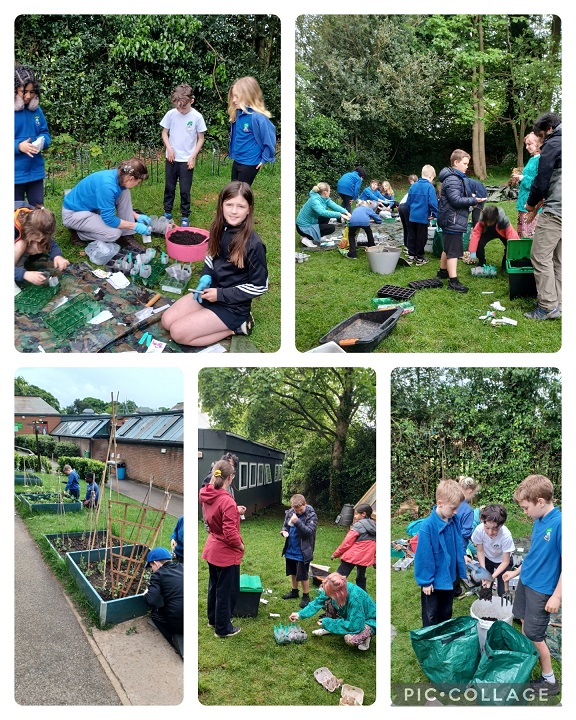
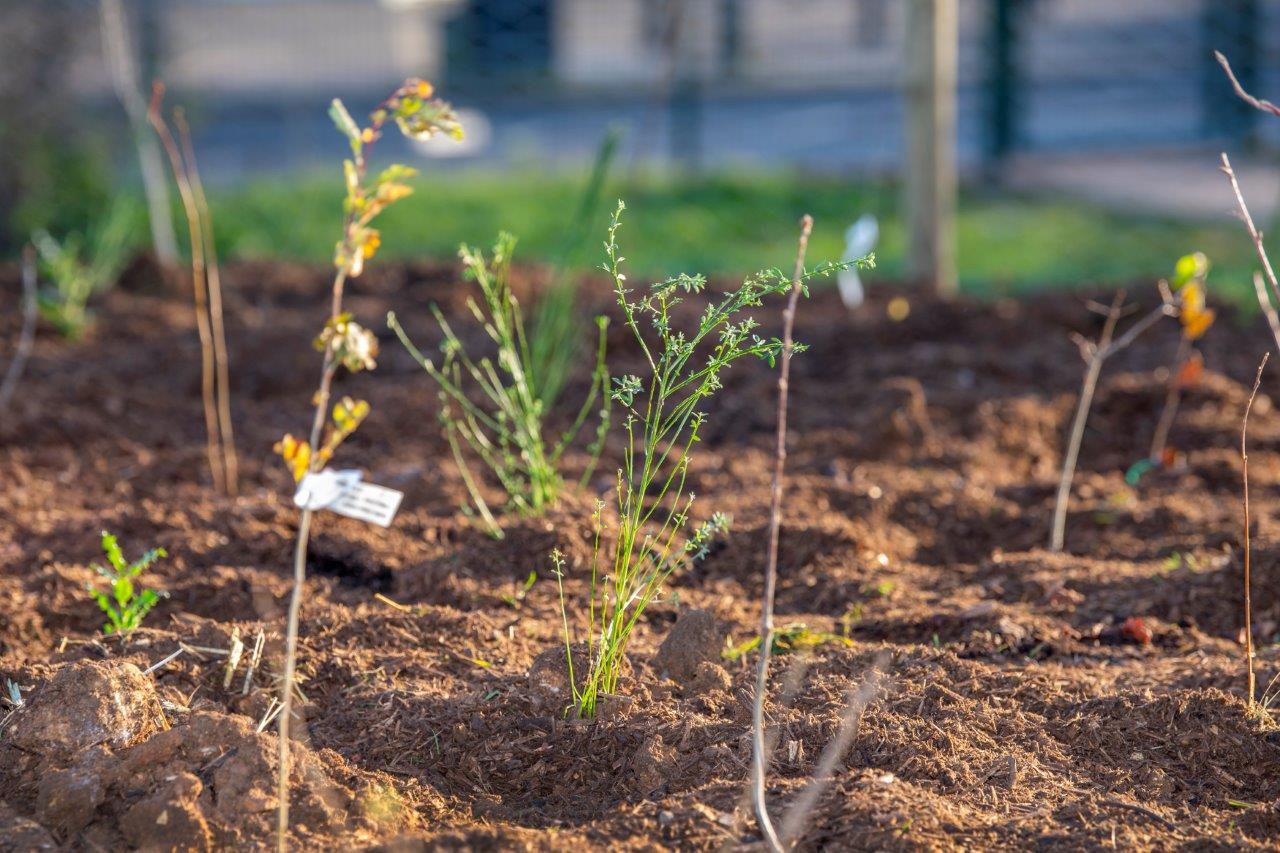
We’ve been working with classes of children teaching them about carbon literacy. We’ve also done a lot of work recently on outdoor education in nature. We’ve worked with the World Wide Fund for Nature (WWF) for a couple of years now, and in the most recent year we have been improving school grounds — planting hedgerows, adding or improving ponds, introducing nesting boxes and creating hedgehog-friendly spaces.
Alongside the physical work on school grounds, we run education sessions afterwards with the students, so they’re involved in things like the hedge-planting. Then we’re doing further follow-up sessions, getting them to understand why we’ve done it and how nature is important.
Tell us about your work with Eco-Schools.
We have an offer open to all schools. They can contact us and we will do whatever it is that they want to support them with their application.
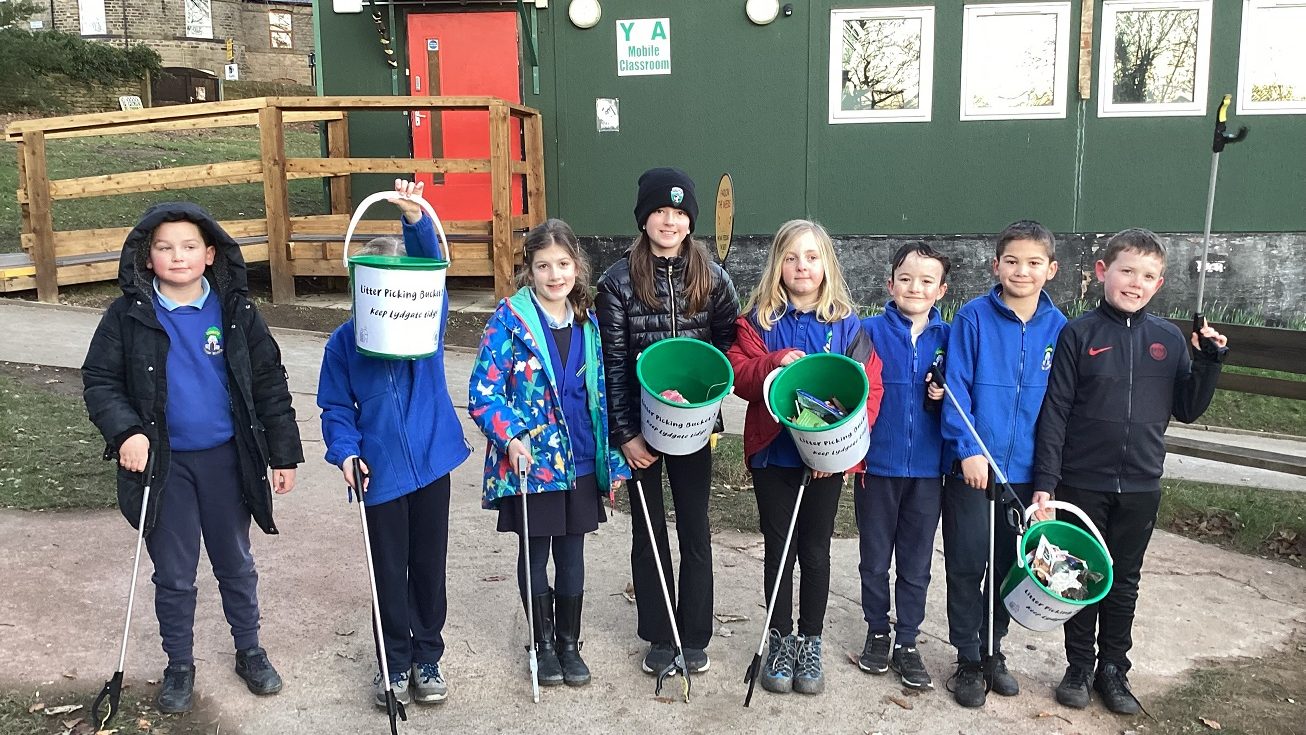
We run training three times a year for school staff where we talk them through the process and provide ideas for what they can be doing to work on the project, and we also run projects throughout the year that specifically fit within some of the topics of Eco-Schools. This year we’re running a litter project, and we’ve also done the Grow Your Own Grub scheme.
What’s that?
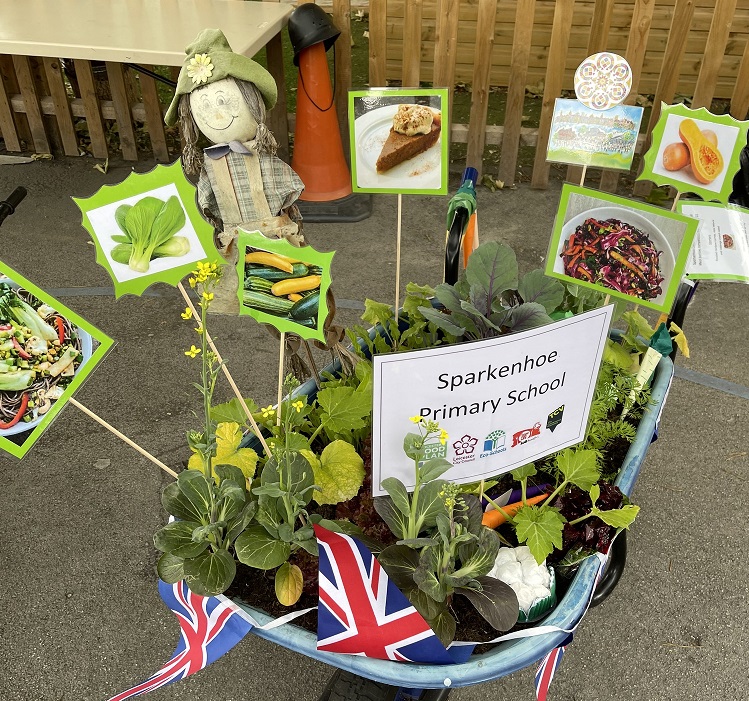
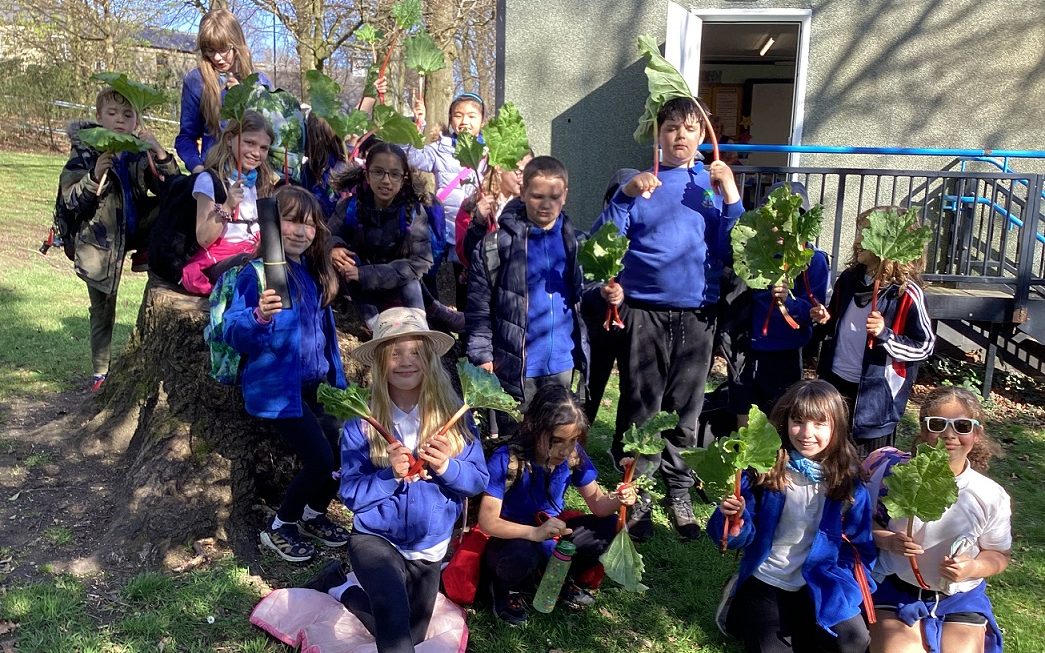
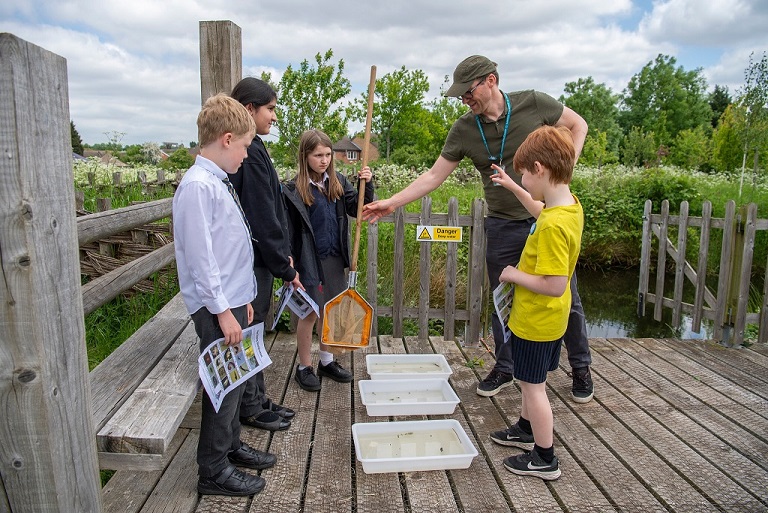
Grow Your Own Grub has been going for multiple years now. It’s open to all schools across the city and the idea is to get schools growing their own food. This is run alongside the public health team. So this year we’ve got the ‘mealbarrow’ competition, where schools are tasked with growing at least five different fruits and vegetables in a wheelbarrow. Then they must plan and design a three-course menu using the items they’ve grown. At the end we bring all of the wheelbarrows together from across the city in a celebration event where members of the public can come and see the work.
It’s suitable for any school, because even if they are one of the more urban or concrete type schools they’re going to have enough space to put a wheelbarrow in.
Schools usually have to pay for the Green Flag award. Does the council offer any financial support towards this?
We do look to subsidise the Green Flag application. Normally it’s £200 for a school to pay, which may be off-putting to many schools because it’s quite a significant cost. It’s entirely worth it, but trying to get that through could be challenging for some schools.
As a council, we look for different sponsorship opportunities and use support from
our social value programme. So last year, schools had to pay £50 for their
application rather than the full £200.
How do you choose what projects to undertake?
I think it’s a combination of reasons. A lot of it is to do with the funding that’s available. But we also look to put on projects that fit within the Green Flag work in particular, helping schools with that overall aim.
It’s also slightly based on the skills within our team — we’re more experienced with outdoor learning, so that drives some of the project proposals like the work with WWF. And often the work fits with different priorities in the wider council, from biodiversity to the climate emergency action plan.
What benefits have you seen from these projects for pupils, staff and parents?
When we work with students, 90% of the time they really enjoy it. Having someone new come in is exciting and increases engagement. For staff, it gives them the opportunity to do work they want to do but may struggle based on the different pressures of timetables and teaching time.
We often get really positive feedback from schools after a project to say that students have enjoyed it or the schools have seen really positive outcomes.

What barriers have you faced?
Definitely timetabling is a huge barrier. Often our contacts are really keen to get us in, but getting that designated time signed off by senior leaders can be challenging. Having space in the school can also be challenging. We are very flexible and happy to work in any space, but a lot of the time schools don’t have anywhere at all.
How have you overcome these barriers?
By sharing the value of the projects and making it really clear to the schools what they’re getting out of it and why it’s so important. That can be shared at different levels in the school, so everyone is on board and everyone knows this is something that they need to make accommodations for.
We also remind schools it’s free. And as a team, we make sure that we’re flexible, working with the school to fit around their timetables and the spaces that they have.
How do you ensure activities continue once your projects end?
Ultimately we rely on schools to take it on and maintain it, but it depends on the staff that are there. As a team, we’re pushing for follow-up funding and future-proofing. For example, we try to make sure that schools have multiple members of staff trained so if somebody leaves there are still people there to take over.
But I think one of the biggest things is having buy-in from senior leaders. This has a trickle-down effect, and they can then make sure that there’s multiple members of staff working on it throughout the school. If senior leaders are on board from the beginning, they can see the benefits to the work that we’ve done.
Do you think your approach would work elsewhere?
I think it’s definitely replicable across authorities, if you have buy-in from relevant people to make sure that your team is supported to build those connections with schools. It’s not the sort of thing that can just happen in a year — it’s an ongoing process.
The climate change and sustainability strategy is still optional. Is that a problem?
It depends on the viewpoint of the school. Some schools will use that as an excuse to not be involved. But equally, some staff understand the value of having a written strategy on climate change.
For me it would definitely make our work easier if it was mandatory because we could go to the 40 schools in Leicester that we’ve not got strong connections with. Ultimately our goal is to work with all schools in the city. But I don’t think it would be fair to make it mandatory without offering suitable support to schools.