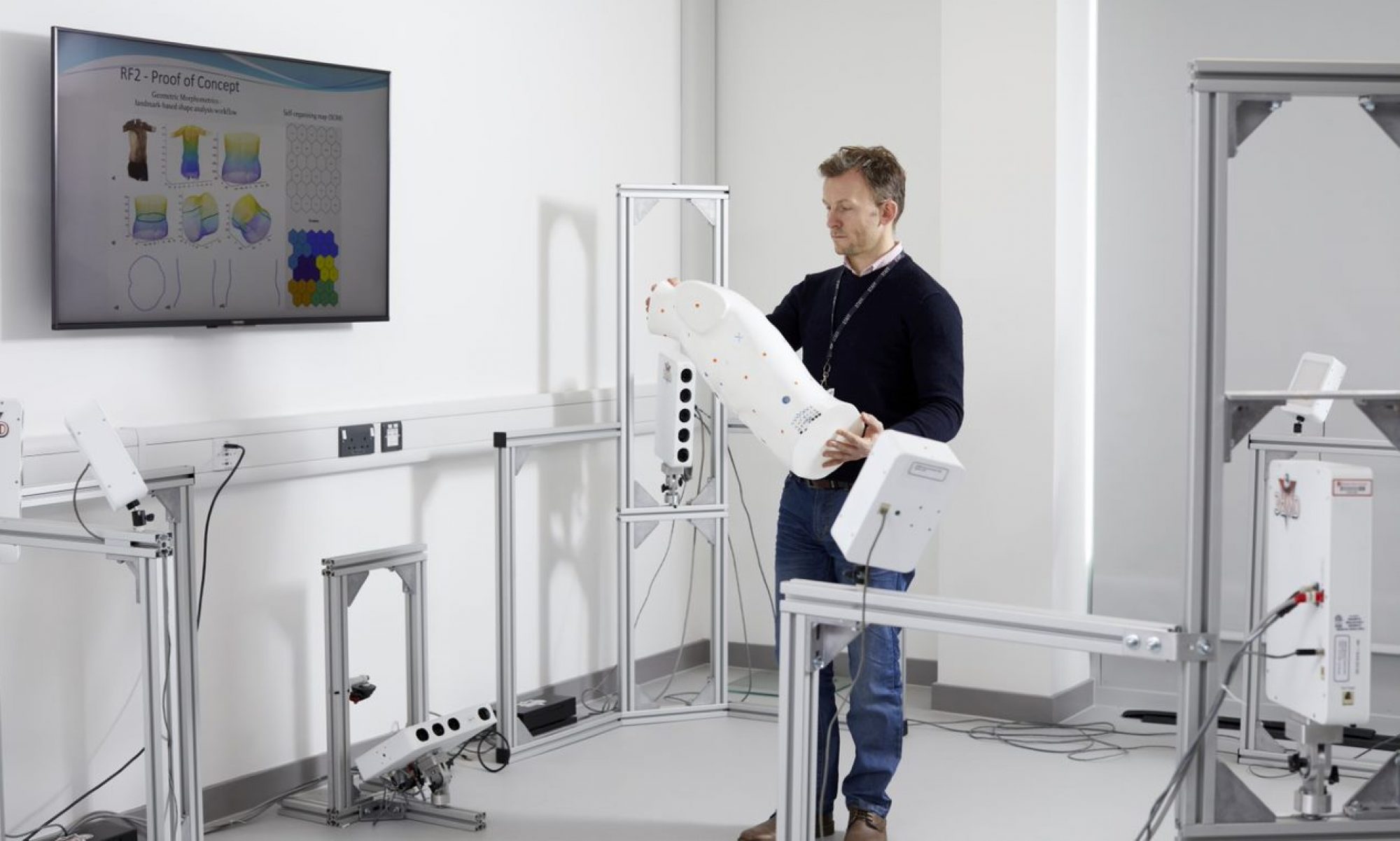

Childhood obesity is a growing health challenge worldwide, and understanding it better is key to improving care for young people. At Sheffield Hallam University’s Advanced Wellbeing Research Centre, we’re leading an exciting pilot study called “Exploring the Relationship Between Body Shape and Child Health.” This project aims to uncover how body size, shape, and composition relate to health—and how this knowledge can help children live healthier lives.
What is the project about?
We know that every body is different, and these differences can affect health in many ways. Our research looks at how measurements like height, weight, body fat, and muscle link to health risks. By studying these factors, we hope to develop better tools and strategies for supporting children and young people who are living with obesity.
But this study isn’t just about numbers. We also want to understand how children and parents feel about these measurements. Are some tests more comfortable than others? What do families think is acceptable? Your feedback will help us design future studies that are practical, respectful, and child-friendly.
How do we measure body shape and composition?
To get accurate information, we use several advanced techniques that are safe, quick, and non-invasive:
- 3D Body Scanning – Creates a 3D image of the body in minutes, helping us understand shape without harmful methods.
- BODPOD – A space-age pod that measures body fat and muscle by looking at body volume and density.
- Bioelectrical Impedance Analysis (BIA) – A special scale sends a tiny electrical signal through the body to estimate fat and muscle levels.
- Skinfold Measurements – Gentle callipers measure fat under the skin at different points.
Each participant attends two sessions, about three months apart, so we can track changes over time.
Why is this research important?
The information we collect will help healthcare professionals design better treatments and advice for children and young people. It could lead to more personalised care and improved health outcomes for future generations.
Want to learn more or take part?
We’re inviting children and young people aged 5–18 who attend the clinic for excess weight to join this study. Participation is voluntary, and you can choose which tests you feel comfortable with. As a thank-you, participants receive a £30 Amazon voucher.
If you’d like to know more, email us at cewstudy@shu.ac.uk. Together, we can make a difference in understanding and improving child health.
STUDY DOCUMENTATION
Participant Information Sheet Parent Guardian
Participant Information Sheet Child Under 9 Years