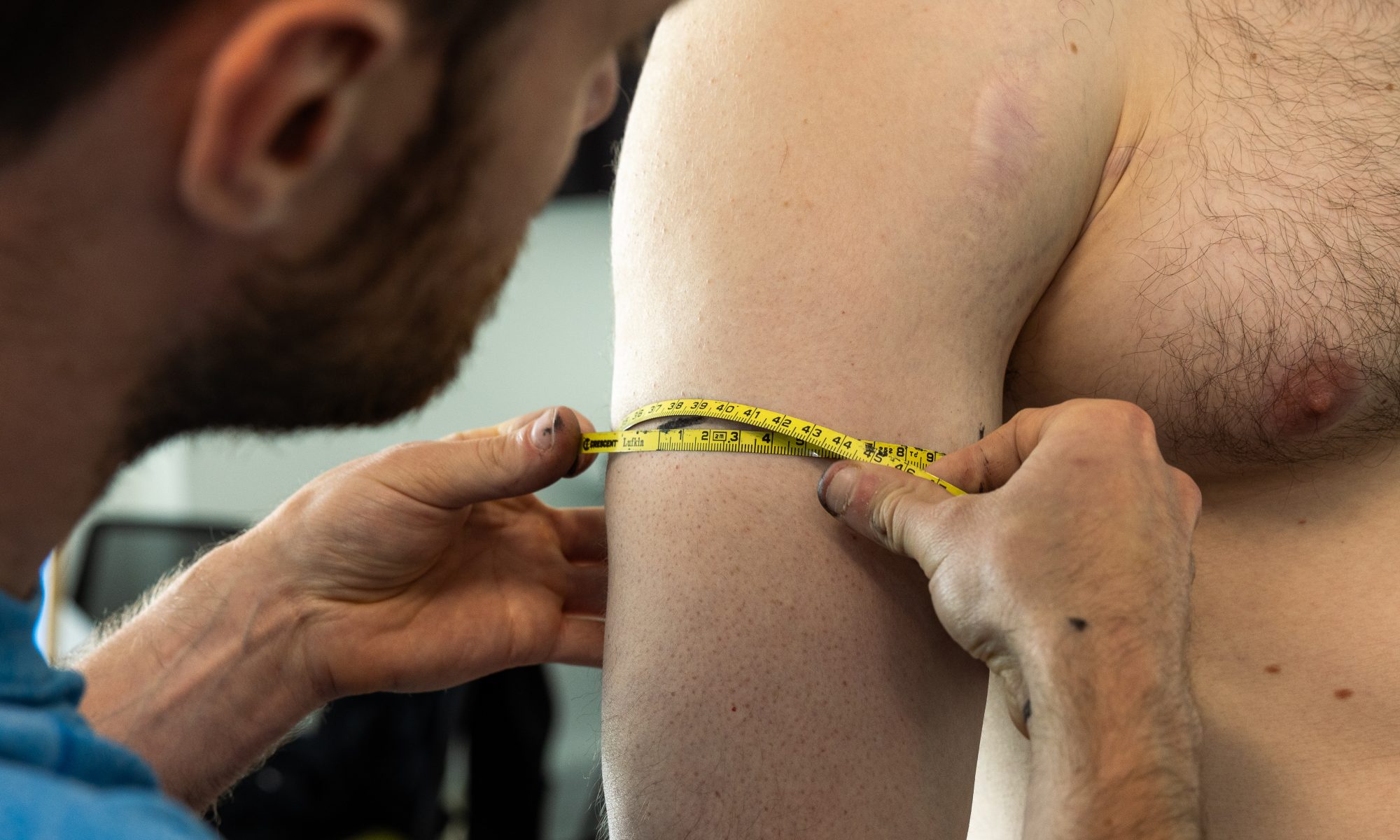
Welcome to Saumya, our new Research Fellow on REACH, my UKRI Future Leaders Fellowship! She’s already making a brilliant contribution to our work on measuring children’s bodies for better health!
———————————————————-
As a doctor, I spent years using measurements to make decisions about health. What I didn’t expect was to become fascinated by the measurements themselves.
Hello, I’m Saumya, and I’ve recently joined Dr Alice Bullas’ UKRI Future Leaders Fellowship as a Research Fellow at Sheffield Hallam University’s Advanced Wellbeing Research Centre (AWRC).
The fellowship is built around a deceptively simple question:
How can we measure children’s health better?
It aims to identify more accurate, suitable and inclusive ways of measuring children’s bodies and assessing health. For me, joining the fellowship feels like a natural next step in a journey that began long before I entered research.
Looking Beyond the Growth Charts
My background is in medicine, and I’ve spent years working with patients and families in both clinical and community settings. Throughout my training, I saw first-hand how much weight, quite literally, gets placed on a single number. A child comes in, gets weighed, gets measured, and within minutes a clinician is making decisions based on where that child sits on a growth chart or a BMI centile.
Most of the time, that number is genuinely useful. It can flag a child who needs closer attention, or reassure a worried parent that things are on track. But over time, I found myself asking questions that extended beyond the clinic.
- Where did these measurements come from?
- How well do they work?
- And do they work equally well for every child?
One of the biggest differences between clinical practice and research is the type of questions you’re able to ask. In the clinic, you’re helping one child at a time, working with the tools available to you. In research, you get to step back and ask: are these the right tools in the first place?
That question sparked my interest in population health research and ultimately led me to this fellowship.
Where Curiosity Met Opportunity
When I first read about Alice’s Future Leaders Fellowship, it felt like someone had turned those questions into a research programme. What excites me most wasn’t simply the measurement science itself. It’s the opportunity to work at the intersection of two things I care deeply about: rigorous evidence and real-world impact.
For me, good research isn’t simply about generating data. It’s about generating evidence that helps clinicians, researchers, policymakers and families make better decisions.
A Clinician’s Perspective on Measurement
One of the things I find most exciting about this fellowship is the diversity of expertise within the team. I’m fortunate to work alongside colleagues with deep knowledge of body composition, imaging, measurement science and biomechanics. My own perspective comes from a different direction: clinical medicine.
Having spent years working with patients and families, I look at measurements through a slightly different lens: not just “how accurate is this tool?” but “what happens to a real child and a real family if we get this wrong?”
Because in healthcare, measurement isn’t an abstract concept. It influences conversations. It informs diagnoses. It shapes treatment decisions. And sometimes it has a lasting impact on how people understand their own health.
That instinct to think beyond the number and focus on the person behind it is what I hope to bring to this fellowship. I believe it gives me a valuable perspective as we work towards developing approaches that are not only scientifically robust, but also meaningful and useful in the real world.
Diving into the Evidence
One of my first projects within the fellowship is updating a major systematic review examining simple measures used to identify childhood obesity and related health risks. The original review was published more than a decade ago. Since then, a huge amount of new evidence has emerged.
A key part of my role is helping answer a simple but important question: What do we know now that we didn’t know then?
It’s exactly the sort of work I enjoy: exploring evidence, challenging assumptions and ensuring that decisions are informed by the best available knowledge.
Measuring what matters
One thing I’ve learned from both medicine and research is that health measurements are never really about numbers. They’re about people. Every dataset represents children, families and communities. Every improvement in measurement creates an opportunity to understand health more accurately and support better outcomes.
That’s why I’m so excited to be joining this fellowship. It brings together the things that have motivated me throughout my career: curiosity, evidence and the opportunity to make a meaningful difference.
As I begin this journey, I’m looking forward to learning from colleagues, working with children and families, and sharing what we discover along the way.
Because before we can improve children’s health, we need to be confident we’re measuring it well.